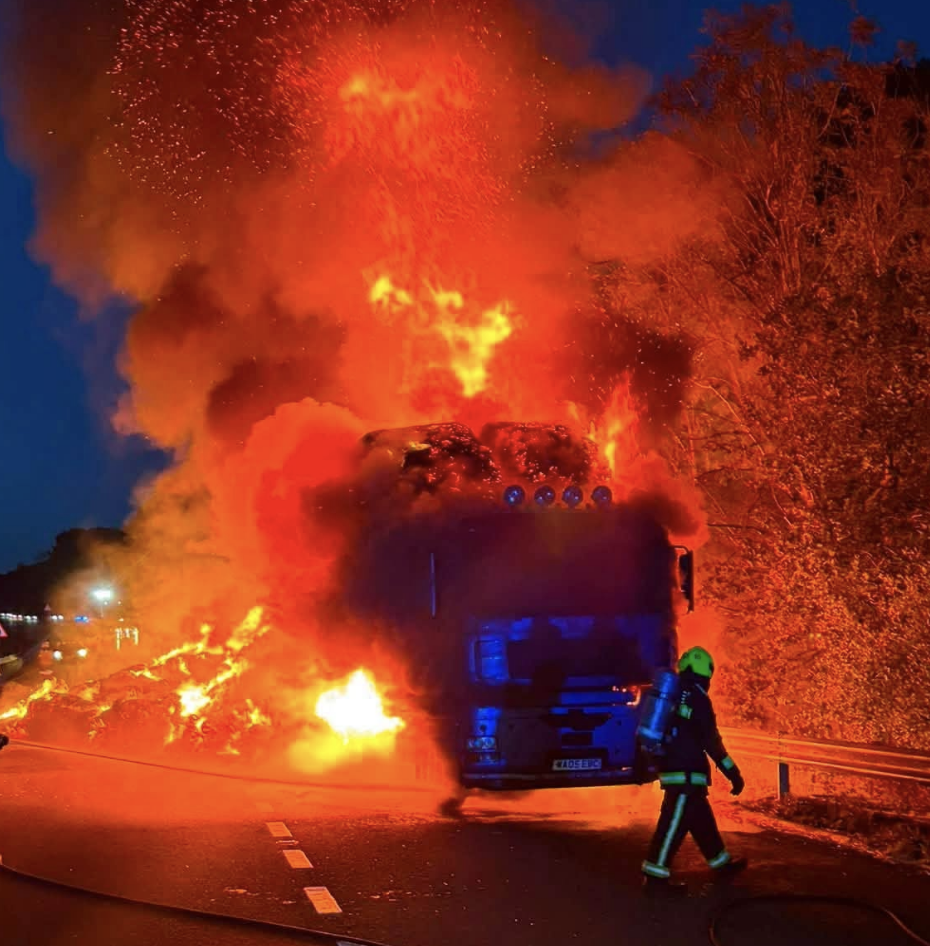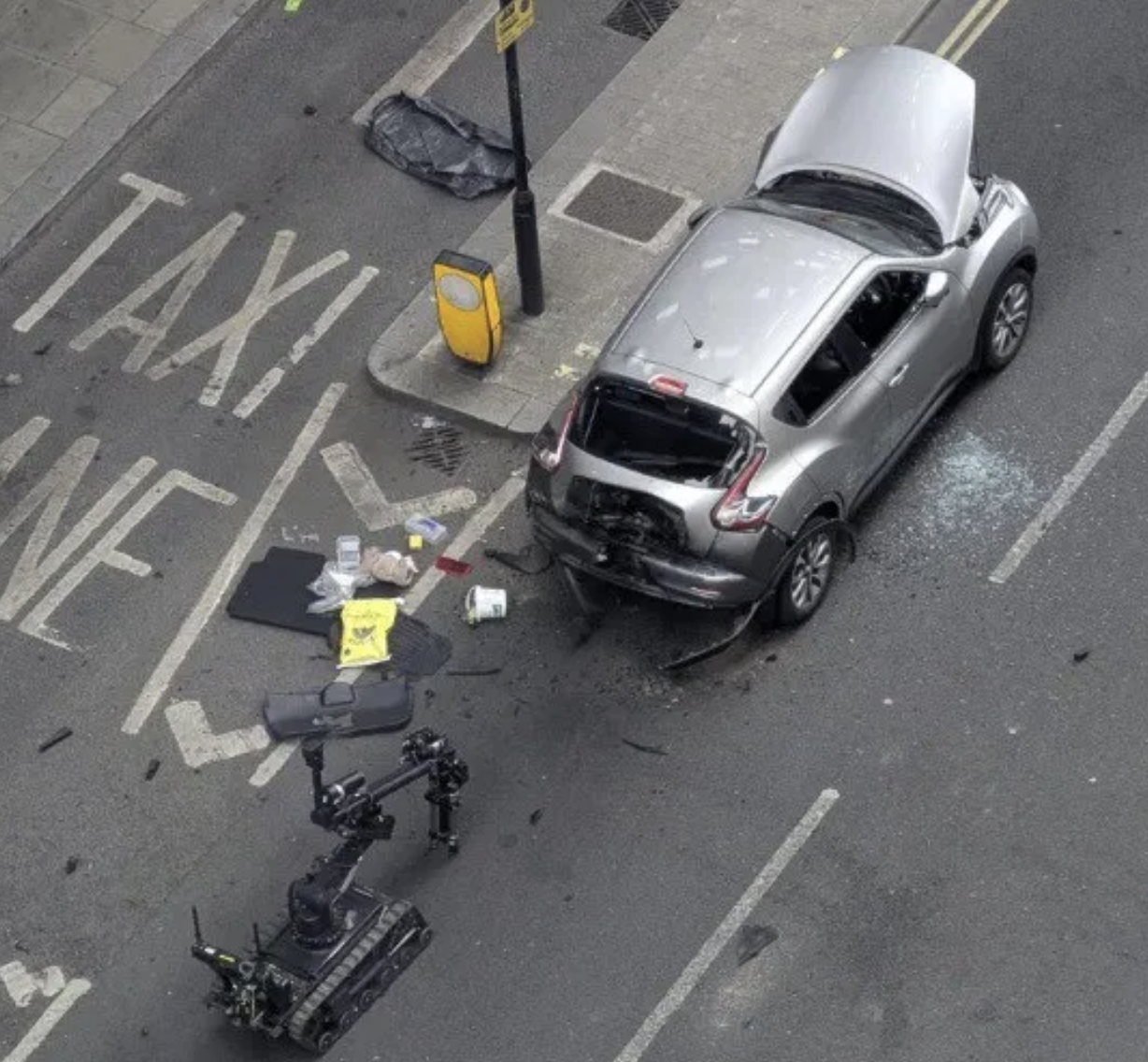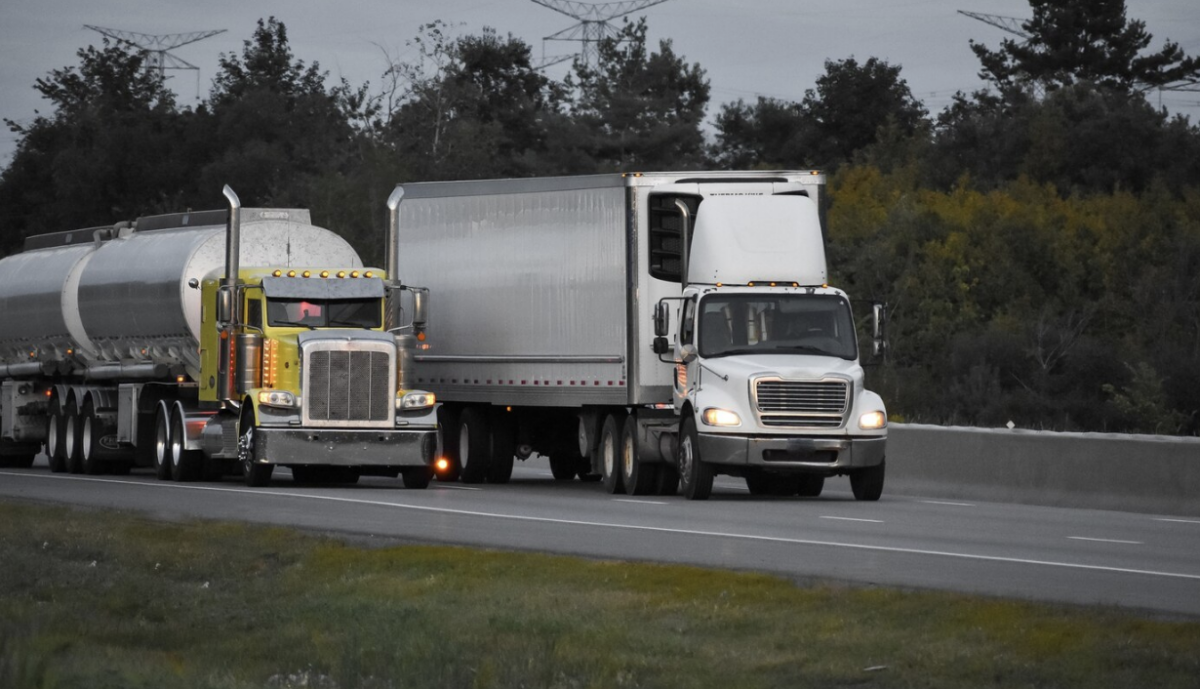
When a large commercial vehicle hits a passenger car, the first hour is a whirlwind of activity. Most people assume the trucking company is simply calling a tow truck or checking on their driver.
In reality, the company often initiates an immediate response to investigate the incident and manage potential liability. Understanding these early steps is vital for anyone hurt in a wreck. While you are focused on getting medical help, the company is already building its defence.
These businesses have specific plans ready to go long before an accident ever happens. They know that what they do in those first sixty minutes can change the outcome of a future legal claim. 
How Does The Company Handle Digital Evidence Right Away?
In the first hour, the company makes sure all digital logs are secure. The company will look at these digital logs to see if the driver was over their legal driving limit, which could prove fatigue played a role in the crash. What Is Spoliation Of Evidence? This is a legal concept involving the intentional or negligent withholding, hiding, altering, or destroying of evidence relevant to a legal proceeding.
In the first sixty minutes, the company must ensure that nothing is deleted to avoid sanctions.
How Does E-Discovery Work?
This involves the identification and preservation of electronically stored information. The company’s IT department may be notified within the hour to freeze all emails, GPS data, and sensor records related to the specific vehicle and trip.
What Actions Does A Trucking Company Take Immediately?
The moment a driver reports a crash, the trucking company activates an emergency response protocol. They often hire private investigators or specialised rapid response teams who can arrive at the scene while the police are still writing their reports.
These individuals are trained to look for things that might shift the blame away from the truck driver. During this time, the company will also check the electronic data from the truck. Every modern big rig has a computer that records speed, braking, and engine activity.
In a bustling transportation hub like Columbia, SC, the sheer volume of commercial traffic increases the likelihood of a truck accident, often pitting individual drivers against powerful truck companies that move quickly to protect their own interests. If you are worried about how these companies handle evidence, talking to a Columbia truck accident lawyer at Stewart Law Offices can help clarify how victims protect their rights during this window.
Visiting an attorney in person can help in preserving the important electronic logs before they can be altered or erased.
According to the FMCSA, there were 168,063 non-fatal crashes involving large trucks and buses reported in recent data cycles. The company’s goal is to see what the data says before anyone else can look at it.
Why Is The Driver Directed To Take A Drug Test?
FMCSA regulations under 49 CFR Part 382.303 require drug and alcohol testing after certain types of crashes, such as those involving a fatality or a citation issued to the driver. The company will often start the process of getting the driver to a testing site within that first hour.
This is done to prove the driver was sober, but it also serves as a mandatory compliance step. If you are suffering from a truck accident in Columbia, SC, and need help standing up to big trucking companies, you can visit Stewart Law Offices at 10 Calendar Ct # 100, SC 29206, or you can contact the team at (803) 743-4200.
What Kind Of Communication Happens With Insurance Carriers?
The trucking company usually has a direct line to its insurance adjusters. Within the first hour, the insurance company is often notified so they can send their own professionals to the site. This creates a lopsided situation where the trucking company and the insurance firm are working together while the injured person is still in the ambulance.
“While an injured person is rushed to the hospital, the trucking company is already deploying a team to shape the narrative and minimise liability before the dust has even settled,” according to Stephen Suggs, a Columbia truck accident attorney.
Where Can Families Find Support After A Major Truck Collision?
The resources of a large trucking corporation can create a significant imbalance for an individual. While the company uses its vast resources to protect its interests in the first sixty minutes, families have the right to seek professional help to balance the scales. Having someone who understands the complex federal trucking laws ensures that the truth about the crash is preserved.
In the wake of a devastating collision, securing an advocate is not just about litigation; it is about reclaiming a voice against a giant.
Common Inquiries Regarding Post-Crash Procedures
How long does a trucking company have to keep records? Under 49 CFR Part 395.8, records of duty status must be kept for six months.
However, once a crash occurs, a preservation letter can legally require them to hold evidence indefinitely. Can a driver refuse a drug test after a wreck? If a driver refuses a required post-accident test, they are treated as if they tested positive. This leads to an immediate prohibition from performing safety-sensitive duties according to federal law. Who owns the data inside the truck’s black box? The trucking company owns the hardware, but the data is discoverable evidence.
A victim’s legal team can request this data to determine speed and braking patterns at the time of impact.