UK Joins Space Race with Groundbreaking LiteBIRD Mission to Unlock Universe’s Origins
Brits Back Cosmic Quest to Decode Big Bang Remnants
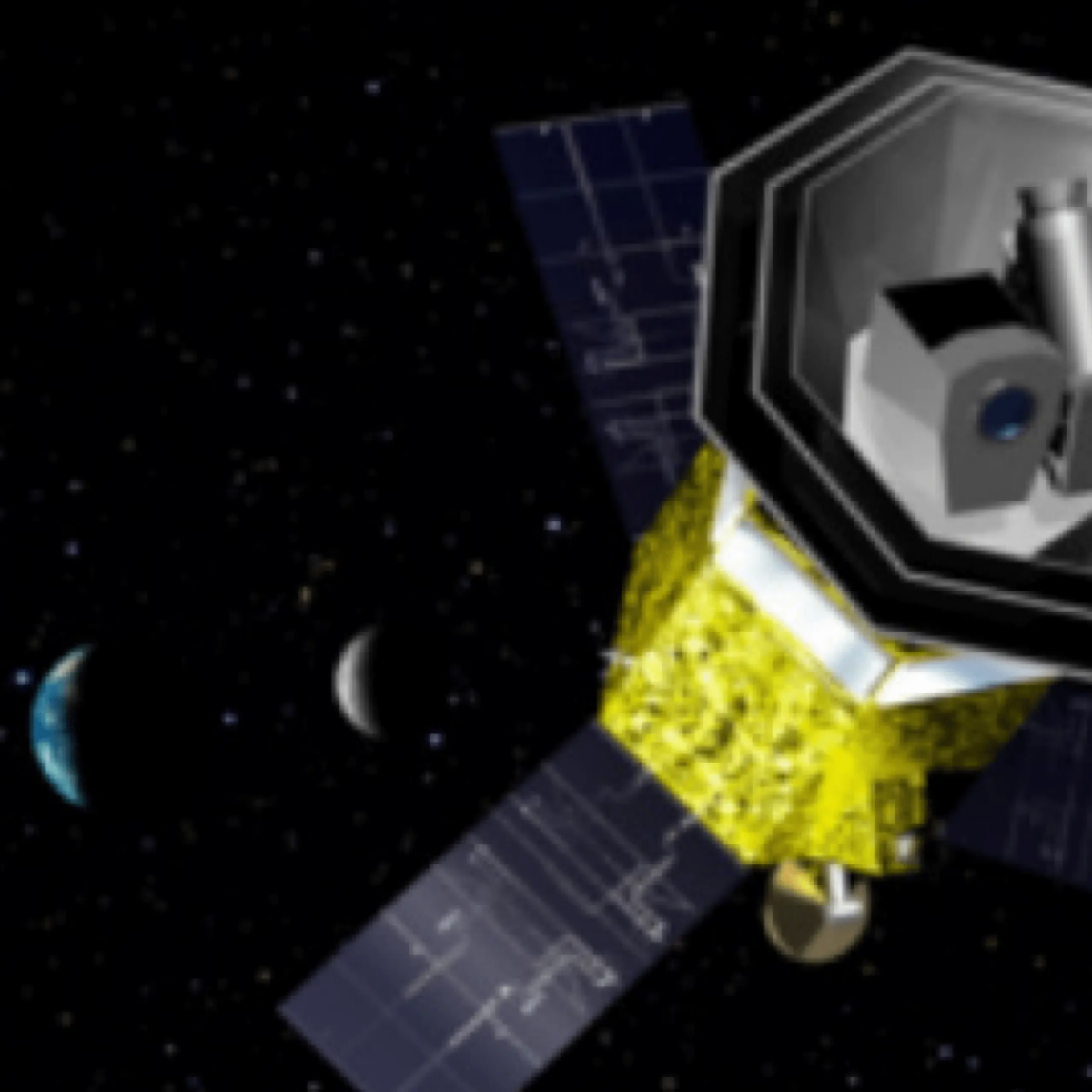
The UK is gearing up for a starring role in Japan’s ambitious LiteBIRD mission, a cutting-edge space project set to unravel secrets buried in the oldest light of the cosmos. This probe will track subtle patterns in leftover light from the Big Bang, helping scientists test theories about the Universe’s explosive birth and rapid expansion.
£17 Million UK Investment Fuels Next-Gen Space Tech
The UK Space Agency has kicked off the mission with a £2.7 million boost to fund British scientists’ work on specialised instruments and cutting-edge telescope lenses and filters, crafted at Cardiff University. The total UK investment is set to hit £17 million, with launch expected before 2030.
Cardiff’s Telescope Tech to Probe Cosmic Microwave Background
Using advanced technology developed in Cardiff, LiteBIRD will measure the elusive B-mode polarisation patterns in cosmic microwave background radiation. This is critical to testing the inflation theory — the idea that the Universe ballooned rapidly just after the Big Bang.
Experts Hail UK-Japan Space Collaboration as Game-Changer
“This is a landmark moment for UK space science and technology,” said George Freeman MP, Minister for Space. “Our partnership with Japan highlights the UK’s commitment to leading-edge scientific innovation.”
Dr Paul Bate, Chief Executive of the UK Space Agency, added: “LiteBIRD could revolutionise cosmology, helping unlock the fundamental mysteries of where and how the Universe began.”
With international teamwork at its heart, LiteBIRD promises to shine new light on the Universe’s infancy, pushing human understanding to cosmic new heights.