Legal Battle Launched to Save ‘Frankenchickens’ from Torturous Lives
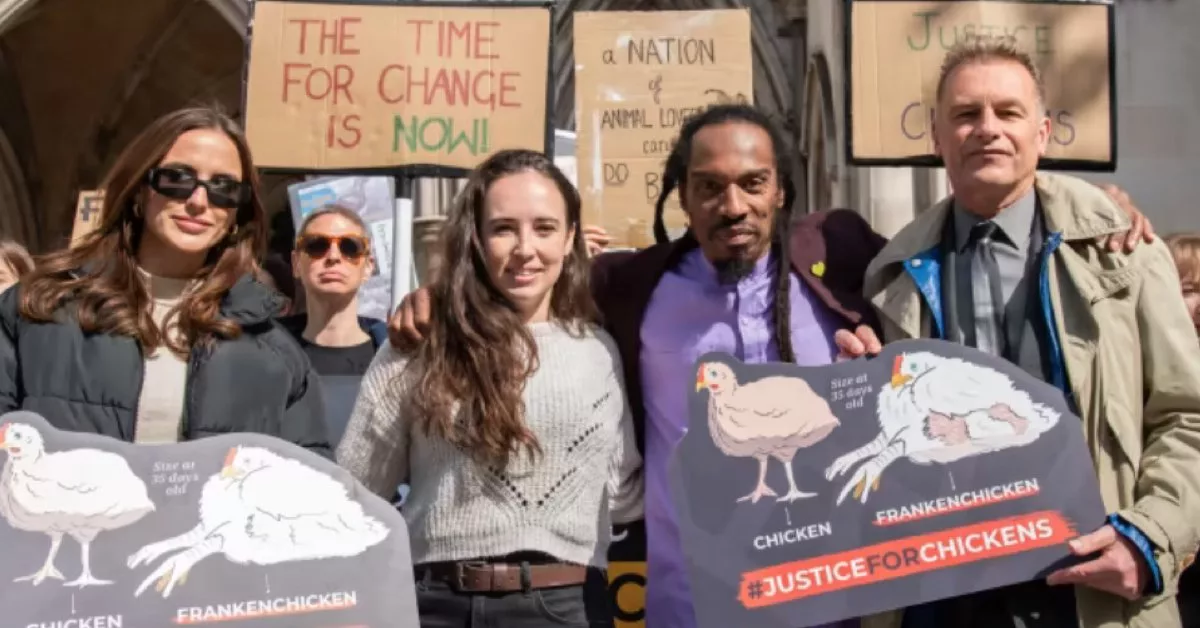
The Humane League has kicked off a high-stakes legal challenge to toughen UK laws protecting the welfare of the nation’s ‘frankenchickens’—the fast-growing birds farmed for meat in shockingly cruel conditions.
‘Frankenchickens’ Forced to Grow Four Times Faster
About 90% of the one billion chickens reared for meat annually in the UK are pushed from egg to slaughter in just 35 days—four times faster than natural growth. These broiler birds pack on a pound a day, a supercharged pace that wrecks their health and condemns many to painful, short lives.
Shocking Death Rates and Welfare Failures
A staggering 70% of these birds die before ever reaching the slaughterhouse, victims of cramped, unhealthy living conditions. The Humane League argues this factory-farmed frenzy breaches official animal welfare regulations, which forbid farming practices that harm animal health or wellbeing.
“The fast growth of these ‘frankenchickens’ goes against the core principles of animal welfare laws,” said a Humane League spokesperson.
Government and Industry Under Fire
While Defra insists it does not endorse the use of these genetically bred fast-growers and questions the scientific consensus on their health issues, pressure mounts. A host of celebrities, naturalists, and charities back the challenge. Major names like KFC and Waitrose have responded by signing the Better Chicken Commitment (BCC), pledging:
- Slower-growing chicken breeds
- Access to natural light and enriched environments
- More space per bird
- Less painful slaughter methods
- Third-party welfare audits
The legal fight aims to force a crackdown on cruel practices and overhaul welfare standards for millions of supermarket chickens.
If successful, this landmark case could force a seismic shift in how UK chickens are bred—bringing respect and compassion to a sector long criticised for cruelty and neglect.