Leopard & Dog Get Trapped Together in Shocking Karnataka Standoff
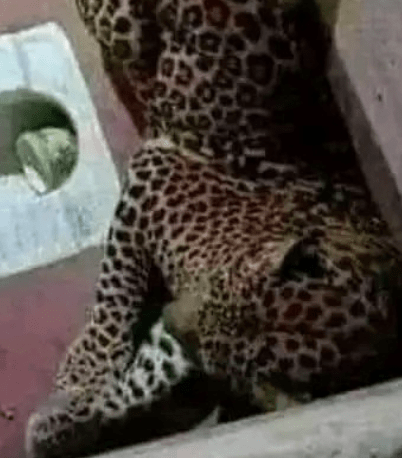
In a bizarre twist near Karnataka’s Kombaru sanctuary, a leopard chasing a dog ended up cooped together with its prey inside a tiny toilet cubicle next to a resthouse. The dog escaped through a window, only for the door to be shut from outside, locking both animals in a standoff that stunned onlookers.
Wild Showdown Turns Into Unlikely Prisoners
The chase quickly turned awkward when the dog sought refuge inside the toilet. The door was accidentally closed, leaving the pair trapped side by side. For hours, the leopard and dog remained inside, each choosing to keep to their own corner, sparking wonder over what would happen next.
Forest Officials Step In to Rescue Leopard
Forest department officers rushed to the scene, carefully darting the leopard with tranquillisers and safely releasing both animals. The unusual event grabbed headlines and raised eyebrows about predator instincts and animal behaviour.
Why Didn’t the Leopard Attack?
Experts say the leopard’s refusal to attack reveals something deeper. Despite being hungry, the wild cat appeared sensitive to its sudden captivity and unable to act on instinct. “Wild animals cherish their freedom,” researchers explained. “When confined, they can feel distress that overrides hunger.”
This curious incident highlights just how complicated animal psychology is and reminds us why freedom means everything in the wild.