New Study Uncovers Africa’s Role in Shaping Atlantic Hurricanes
A major new study from the U.S. National Science Foundation’s National Center for Atmospheric Research (NSF NCAR) reveals that rising atmospheric moisture over Africa could shake up key weather patterns. This shift might delay the formation of mighty Atlantic hurricanes. Published in the Journal of Advances in Modelling Earth Systems, the research dives deep into how regional moisture influences hurricane birth.
Africa: The Hurricane Nursery
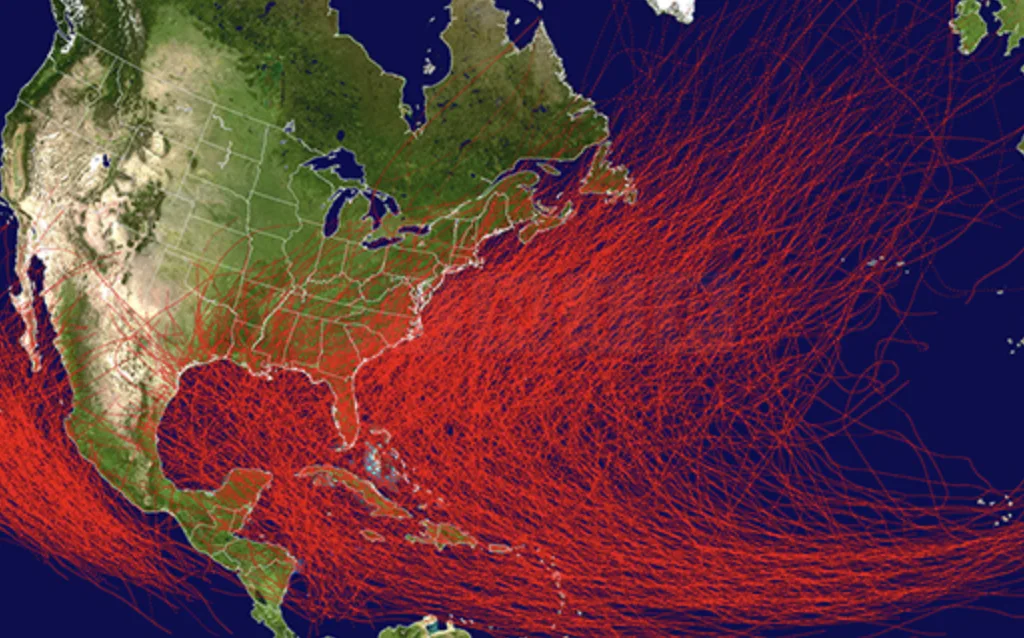
Africa isn’t just a continent—it’s the starting point for weather systems that can turn into powerful Atlantic storms. Until now, scientists understood how warm ocean waters and humid air fuel storm strength and rainfall but struggled to pinpoint how moisture affects the very birth of hurricanes. This fresh research finally cracks that code.
Moisture Weakens Hurricane Seeds
At the heart of the study are African easterly waves—the “seeds” that grow into Atlantic hurricanes. The researchers discovered that more moisture in the atmosphere actually weakens these waves. They become slower and less powerful, failing to team up with strong thunderstorms that spark hurricane development. This means hurricane formation could be hit with a delay once these waves hit the eastern Atlantic.
Lead author Kelly Núñez Ocasio said, “Understanding the exact role of moisture in cyclogenesis is crucial. Our new models shed light on how moisture shapes hurricane seeds, paving the way for future breakthroughs in hurricane prediction.”
Next-Gen Modelling Reveals Surprising Findings
Hurricane formation, or cyclogenesis, is a complex dance of weather forces. Traditional climate models often miss the local details and nuances of moisture’s impact. To solve this, scientists used the cutting-edge Model for Prediction Across Scales (MPAS), which can zoom in on local weather while keeping the global picture.
By simulating a moisture-driven African easterly wave that became Hurricane Helene in 2006, the team tested how varying moisture levels affect storms. Increased moisture unexpectedly pushed the storm’s energy northwards, starving the wave of power and weakening it.
What This Means for Our Stormy Future
While the study shines a light on moisture’s role, questions remain. Does a weaker seed mean weaker hurricanes overall? As climate change continues to ramp up atmospheric moisture, cracking this mystery is vital. Better understanding will improve disaster preparedness and help communities stay safe when the next big storm strikes.