Knife Attack in Germany Sparks Social Media Fake News Frenzy
A violent knife attack in Solingen, Germany, has ignited a storm of misinformation online, threatening to derail police investigations and confuse the public.
Attack Leaves Nine Injured, Suspect Still on the Run
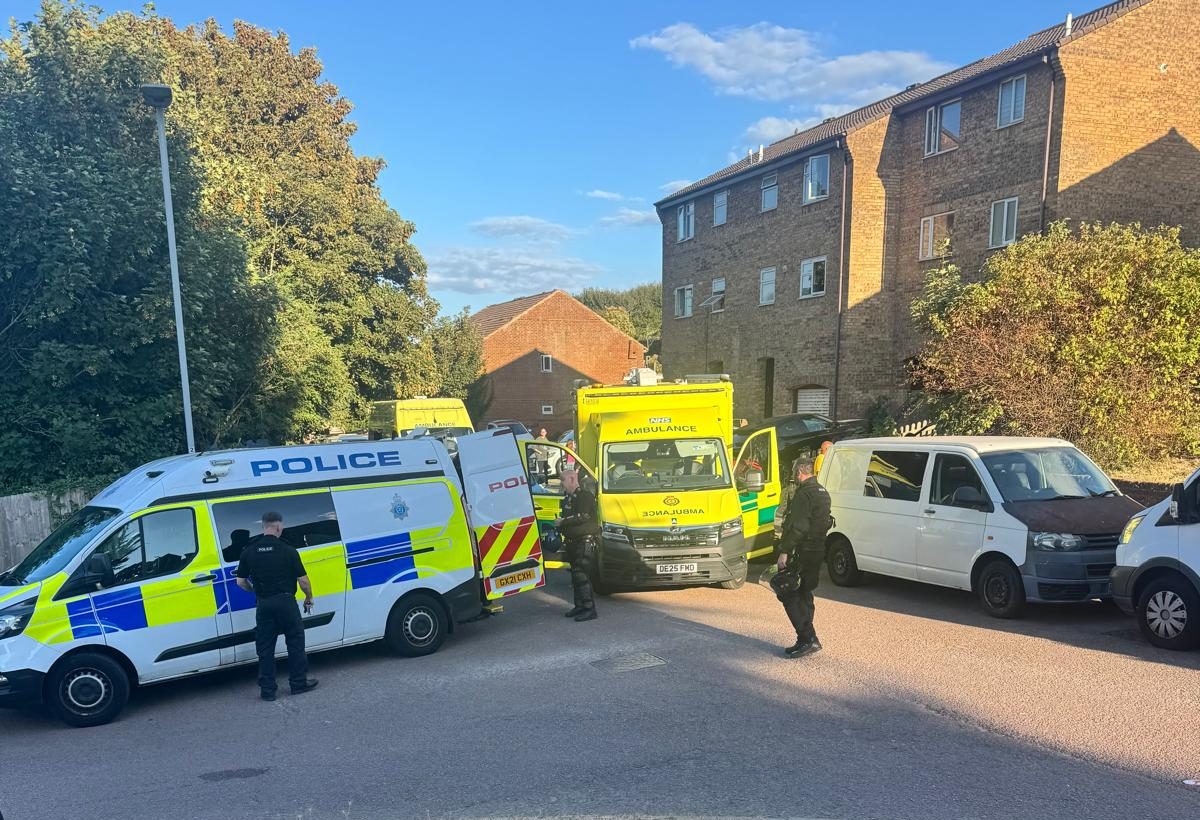
The late-night assault saw a suspect randomly stabbing passersby, injuring nine people. Emergency teams rushed to the scene to save lives, but authorities have yet to identify the attacker or confirm any fatalities.
Verified Social Media Account Peddles False Claims
A verified X (formerly Twitter) user, “Indian Observer,” spread bogus info about the attack, falsely naming 34-year-old Amar Odeh as the attacker and wrongly stating he died at the scene. Police have slammed these claims as completely unverified and stressed the suspect remains at large.
Other false posts showed images of the attack scene in broad daylight—despite the incident occurring at around 9:45 p.m., well after sunset.
Authorities Warn: Don’t Spread Fake News, Stay Informed
Police are deeply concerned that fake reports could hinder their investigation and risk public safety. They urge social media users to rely on official updates and verified news sources.
Officials also appeal to anyone with factual information about the attack to come forward, while cracking down hard on false narratives online.