Rescue Fails as Nine Pilot Whales Stranded on Kent Mudflats
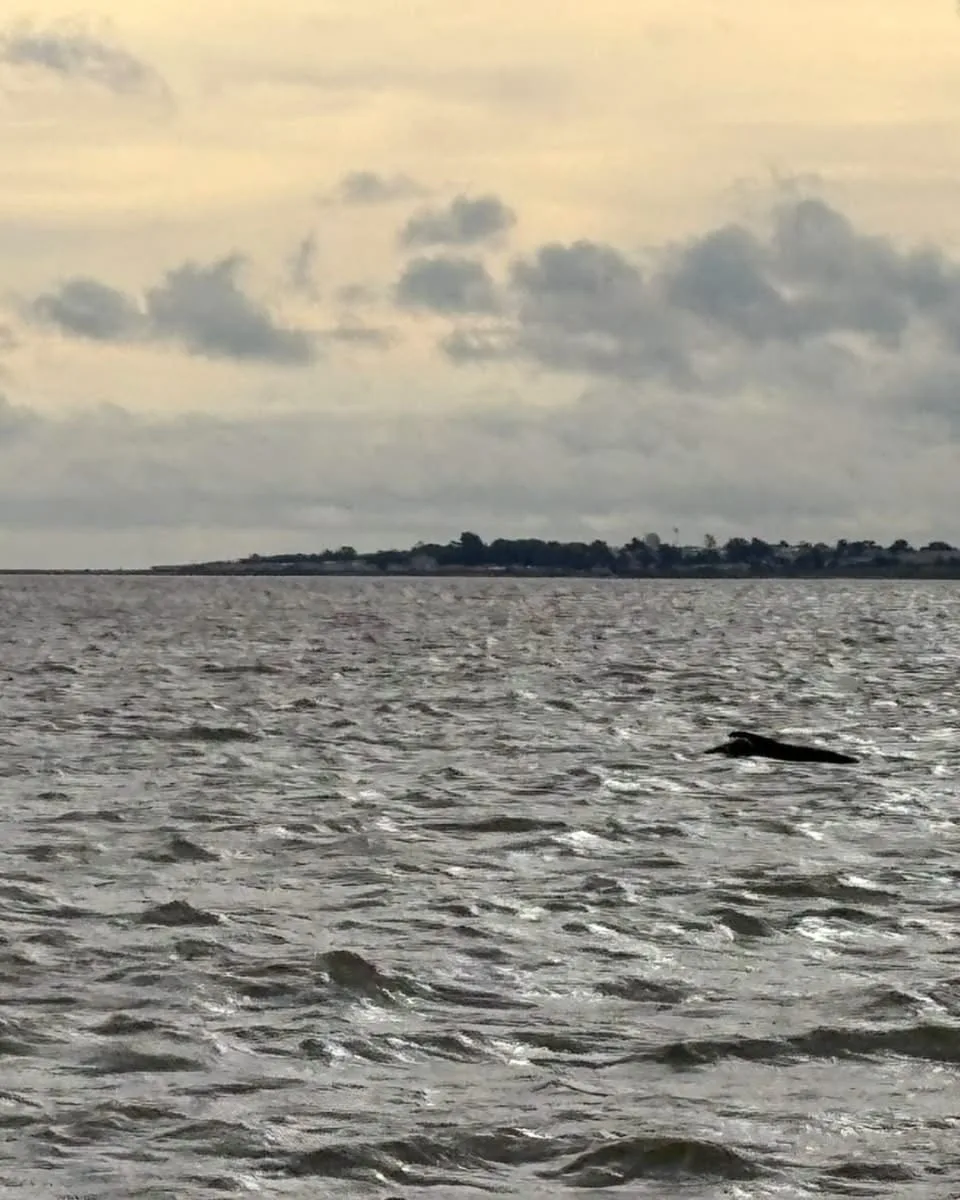
A desperate rescue mission to save nine pilot whales stranded on the mudflats of the Swale estuary at Seasalter has been called off. Despite heroic efforts, teams were unable to reach the distressed mammals.
Rescue Teams Stood Down After Tough Tidal Conditions
Approximately 30 members of British Divers Marine Life Rescue (BDMLR) teamed up with HM Coastguard crews on Monday to save the pod stuck between Whitstable and the Isle of Sheppey. Using specialist kit, they battled treacherous tides and muddy terrain to reach the whales but ultimately failed.
The teams were stood down at around 10.30pm after realising the whales were unreachable. As of Tuesday morning, the mammals remained unspotted, with hopes they might refloat on the rising tide fading.
Local Birdwatcher Captures Heartbreaking Footage
Mark Chidwick, a local birdwatcher, was tipped off by another enthusiast on the Faversham Birding Group page. Watching the scene from The Sportsman pub alongside friend Mike Gould, Mark spotted the whales slowly succumbing to the dropping tide.
“I was scanning the geese and picked up on the whales on the edge of the Swale. We watched them, but it was strange as the tide was dropping. You could see they were getting distressed. We posted what was happening online and contacted the correct people,” said Mark.
Stranded Pilot Whales Rare but Not Unheard Of in Kent
Pilot whales are among the largest oceanic dolphins, second only to orcas. This incident recalls a similar 2020 tragedy when a sperm whale spotted off Whitstable died two days later.
BDMLR continues to monitor the area, but it’s unclear if any further rescue attempts will occur.