Winter is coming – and it’s time to brace yourself! From icy roads to frosty homes, we’ve got the ultimate guide to keep you safe, warm, and online without a hitch this festive season.
Stay Sharp Online This Festive Season
More people are hitting the web for shopping, gaming, and gambling over the holidays. But beware – cyber risks spike too. Always shop on trusted sites with secure payments (look out for “https” in the URL). When picking gambling platforms, choose those with proper licensing and strong security.
- Shop only on reputable, secure websites
- Enable two-factor authentication on all accounts, especially banking and shopping
- Avoid public Wi-Fi when making purchases or logging into sensitive accounts
Winterproof Your Home – Lock Out the Cold
Your home is your winter fortress. Don’t let drafts, leaks, or frozen pipes ruin it. Check doors and windows for gaps and slap on weather stripping. Thermal curtains or plastic film can add a warmth boost, especially on older windows. Don’t forget the attic – extra insulation saves energy and pounds.
Get your heating system serviced and vents checked. Have fireplaces cleaned yearly to dodge fire hazards. Carbon monoxide detectors are a must when heating is cranked up – they could save your life.
Protect your pipes! Frozen pipes cause expensive chaos. Wrap exposed pipes with insulation and cover outdoor taps after disconnecting hoses. And clean your gutters before snow hits to prevent ice dams and roof damage. While you’re up there, check for loose or damaged roof tiles that invite leaks and cold air.
Drive Safe on Winter Roads
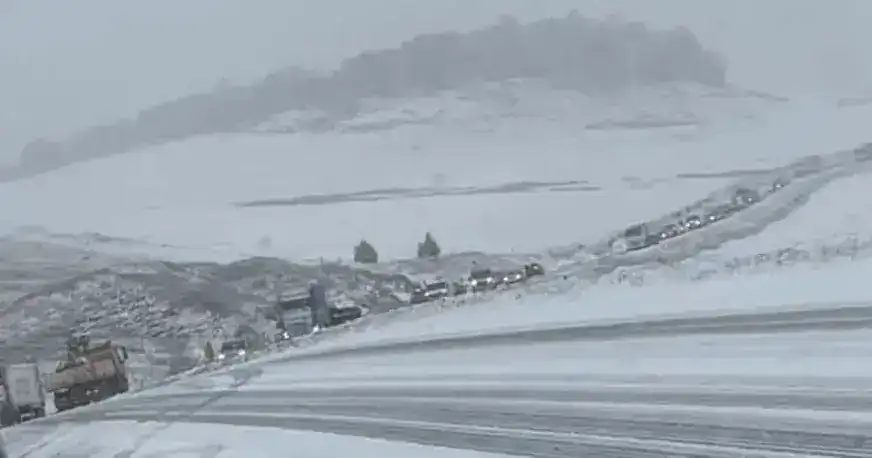
Winter driving is no joke. Always check forecasts and road conditions before heading out. If the weather’s nasty, consider staying put.
Your car should be winter-ready. Tyres need at least 3mm tread for grip (legal minimum is 1.6mm, but that’s cutting it close). Winter tyres are a smart option if snow is common in your area.
Before driving, clear all snow and ice from your vehicle – roof, windows, lights – it’s not just for visibility; it’s the law. Check oil and washer fluids, too. Pack an emergency kit: torch, blankets, shovel, ice scraper, snacks, and water.
Keep Yourself Safe in the Cold
Layer up with hats, gloves, scarves, and insulated boots. Don’t let dry winter air fool you – stay hydrated. Watch out for slippery pavements and wear slip-resistant shoes or ice cleats if you can.
If you’re heading outdoors, check the forecast, tell someone your plans, and carry a fully charged phone. Know the warning signs of hypothermia and frostbite – don’t take risks.
Fire Safety: A Winter Must-Have
With heaters and fireplaces working overtime, fire safety is critical. Test smoke detectors and swap batteries as needed. Keep flammable items away from heat sources. Never leave space heaters or candles unattended. Always get your chimney inspected and swept yearly.
Be Ready For Winter Emergencies
Power cuts happen when storms hit. Prepare an emergency kit with non-perishable food, water, flashlights, extra batteries, and meds. Keep a battery-powered radio handy to stay updated. A portable power bank for phones is a lifesaver if the lights go out.
Stick to these tips and enjoy a safe, warm, and cyber-secure festive season!