Stroke Survivors Shockingly Sing Before They Speak, New Study Reveals
The Stroke Association’s latest survey has uncovered a remarkable fact: over a third of stroke survivors (35%) can sing better than they can talk shortly after their stroke. This astonishing discovery sheds new light on how the brain processes music and language in separate areas, opening fresh hope for stroke recovery treatments, especially for those battling aphasia – a common speech impairment after stroke.
Stroke Survivors Lose Speech but Find Their Voice in Song
Surveying 1,000 stroke survivors, the Stroke Association found that 33% lost their ability to speak following a stroke. Yet, 26% managed to sing or hum before they could utter a single word. This backs up past research proving that singing-based therapy dramatically boosts communication skills in aphasia patients, who make up one-third of stroke survivors.
Music: A Miracle Aid in Stroke Recovery
- 54% of survivors credit singing or listening to music with aiding their recovery.
- 61% noticed improved communication thanks to music.
- 51% reported better memory and hearing from musical engagement.
- 43% felt more positive emotionally because of music.
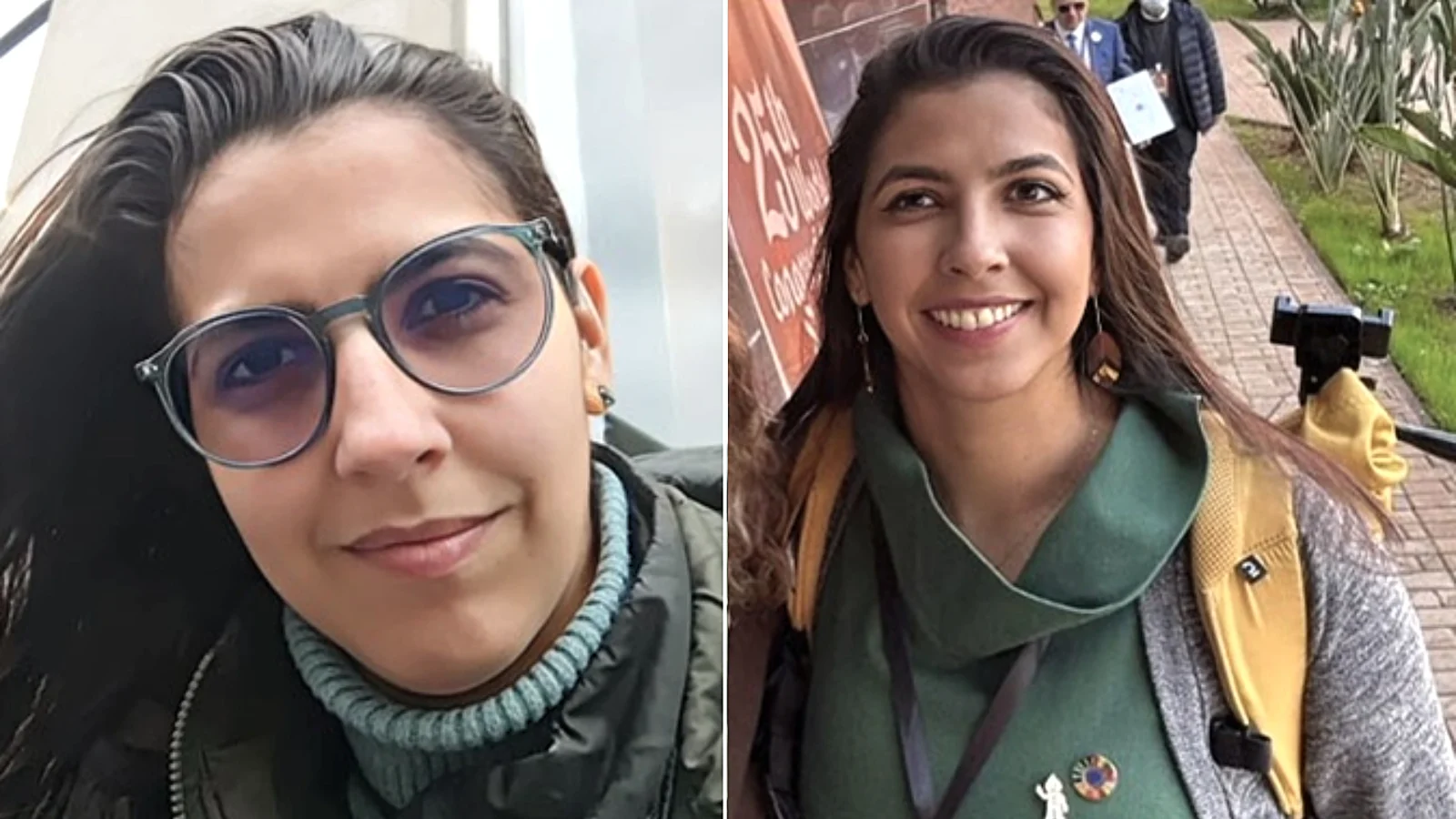
Take the remarkable journey of Summer Clarke, 26, from Denton, Manchester. At just 24, she suffered a sudden brain haemorrhage and was put in an induced coma with only a 10% survival chance. Miraculously, Summer began singing before she could even speak or recognise her own mother. Her go-to song? The classic Proud Mary.
“Even when Summer was in the coma, we played her favourite music. She could sing entire songs before saying a word,” revealed her mum, Linda.
#Sing4Stroke: The New Campaign Turning Voices Into Lifelines
The Stroke Association has launched Sing4Stroke, a nationwide fundraising drive urging people to sing in support of stroke survivors. Whether at home, school, work, or in choirs, the campaign invites everyone to raise their voices and funds to help those rebuilding their lives after stroke.
Juliet Bouverie OBE, CEO of the Stroke Association, said: “Singing taps into a different part of the brain and can offer a breakthrough for people struggling to speak. We’re urging people across the UK to get involved this May and help raise money and awareness to support survivors.”
Stroke by Numbers: The UK Impact
- 1.4 million stroke survivors currently live in the UK.
- 100,000 people suffer a stroke every year.
- On average, 240 Brits are struck by stroke daily.
- More than half of survivors battle psychological effects: 59% anxiety, 56% low mood, and 52% loss of confidence.
How You Can Make a Difference
Join #Sing4Stroke this May:
- Sing 31 songs in 31 days.
- Host community or school sing-alongs.
- Donate performance proceeds to the Stroke Association.
Visit www.stroke.org.uk/singing to sign up and help stroke survivors find their voice again.