RSPCA slams XL Bully ban as dog attacks and deaths soar
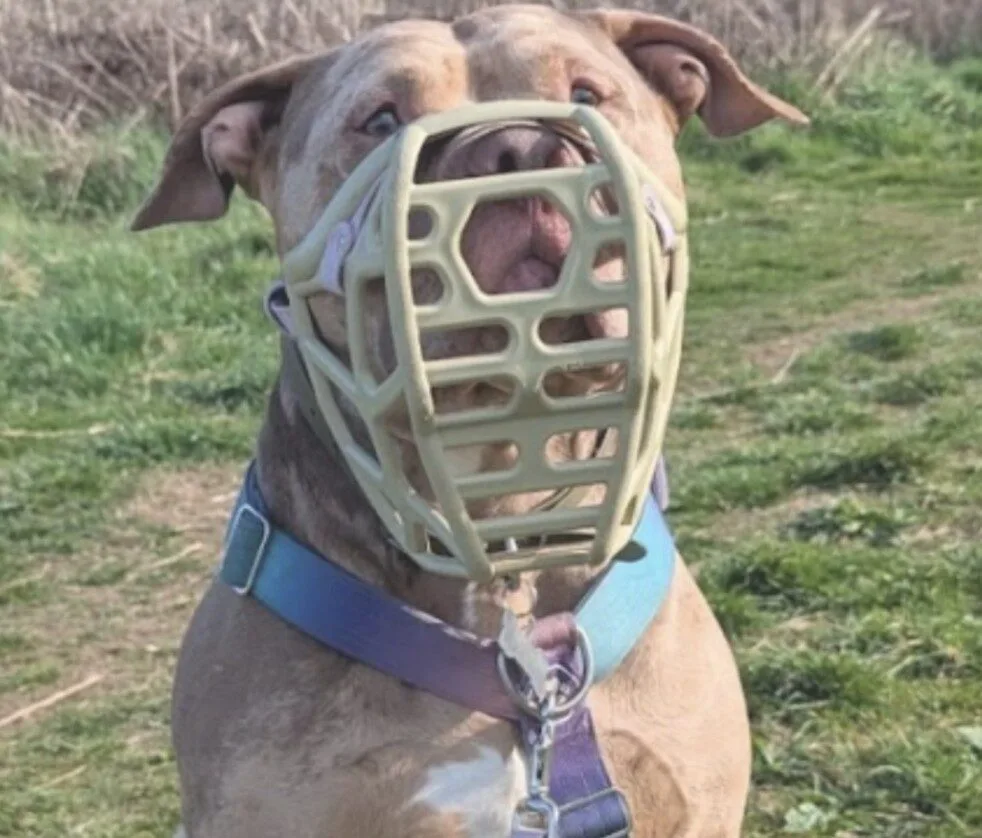
The government’s new ban on XL Bully dogs is failing spectacularly, the RSPCA warns. Despite thousands of suspected banned dogs being seized and hundreds put down since September 2023, attacks and fatalities keep rising.
XL Bully ban sparks outrage
The latest crackdown outlaws breeding, selling, advertising, and transferring XL Bully dogs. But critics say the law focuses on how the dogs look – not how they behave. Many beloved pets have been branded illegal overnight.
“The Dangerous Dogs Act hasn’t worked for 34 years. We need a fresh strategy focused on behaviour to better protect people and dogs,” said a spokesperson from campaign group From 123.
Dog attack deaths hit record high
So far in 2024, there have been 10 human fatalities linked to dog attacks – the highest since records started in 1981. Police report rising complaints of dogs out of control on the streets.
Calls for new approach to dog safety
The RSPCA and police urge reforms prioritising responsible ownership, improved data tracking, and licensing schemes to crack down on reckless breeding and handling. The charity says without urgent change, both people and dogs will stay at risk.