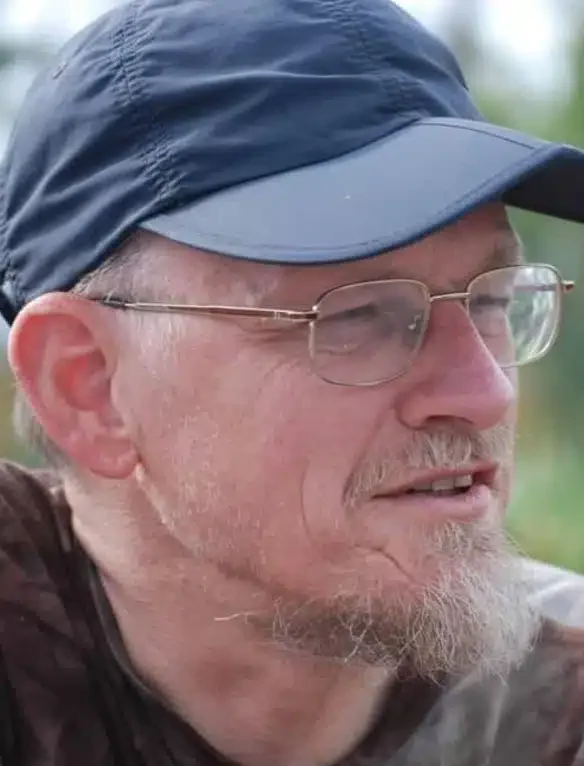
Leo Schilperoord, a 70-year-old ornithologist, has been identified as the first confirmed hantavirus patient on the MV Hondius cruise ship. Schilperoord is believed to have contracted the Andes strain of hantavirus during a birdwatching trip in Ushuaia, Argentina, in late March 2026.
His wife, Miriam, died days later attempting to return home from South Africa. The virus is notable for human-to-human transmission, prompting urgent vaccine development efforts.
Deadly Andes Hantavirus Confirmed
The Andes strain, unlike other hantavirus types, can spread between people, raising concerns after six confirmed and two probable cases were reported among passengers. The 22 British nationals aboard MV Hondius are being repatriated to the UK, where they will undergo testing and six weeks of isolation either in hospital or at home in Merseyside.
New Vaccines In Development
Several vaccine candidates are in the pipeline addressing this rare virus strain. The University of Bath and Ensilitech are leading efforts with a vaccine showing strong immune responses in animal models and preparing for human trials.
Meanwhile, Moderna has launched an mRNA-based hantavirus vaccine programme, boosting their stock by 14%. South Africa’s Afrigen is also developing a vaccine.
Health Warning And Symptoms
The rise in hantavirus cases has triggered health alerts. Key symptoms to watch include fever, intense fatigue, muscle pain, stomach upset, nausea, vomiting, diarrhoea, and shortness of breath.
Despite concerns, experts say hantavirus transmission is less contagious than COVID-19 and vaccine rollout is expected to be at least three years away.
UK Response And Isolation Measures
The UK authorities have arranged for the safe return of potentially exposed Britons from the MV Hondius.
Following arrival, extended quarantine requirements will be enforced to prevent wider spread, reflecting cautious public health management amid emerging infections.