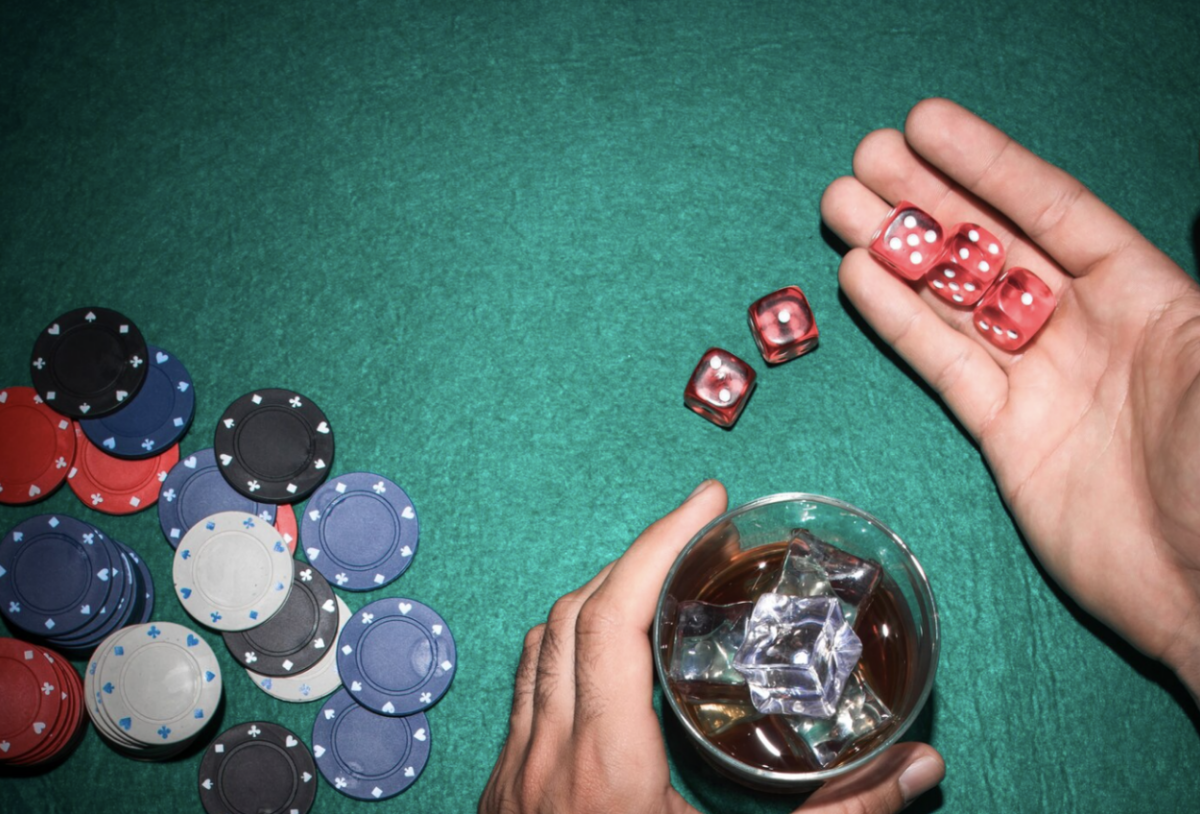
There is a particular silence when the dealer reaches for a fresh deck. Chips pause, conversations dip, and everyone pays closer attention.
That small ritual tells the brain that the last run is over. A new deck not only replace worn cards; it creates a clean break. That break matters because long games make people replay missed chances and slip into autopilot.
When the seal opens and the cards are shuffled, attention comes back to the table. The player stops dragging old hands into the next decision and starts reading the moment again.
Resets in a Connected World
Modern play rarely happens in one location only. Many people shift between a local room and a trusted casino online during the same evening, watching the same games unfold from different seats.
The reset feeling still matters in that context. It marks the point where you stop dragging the mood from your last session into what happens next. That pause gives players a chance to consciously decide how they want to show up for the next stretch of hands.
Some lower their stakes, others tighten their ranges, and a few choose to simply spectate for a while.
Why the Brain Loves a Clear Line Between “Before” and “After”
Our minds like clear chapters. Studies in cognitive psychology show that the brain encodes events in segments, anchored by small but meaningful transitions such as a door opening, a new environment or a visible ritual.
A fresh deck acts as one of those anchors. This kind of boundary helps with cognitive clarity because it reduces mental clutter from previous rounds. Even players who do not believe in streaks still find it easier to think straight after a reset.
The act of shuffling a new set of cards creates a natural mental bookmark, similar to turning a page in a book and leaving the last chapter behind. You can read more about how the mind structures experiences in works that discuss cognitive psychology.
The Hidden Benefits of a Controlled Restart
A reset also gives the table a chance to rethink its pace. Players can adjust how quickly they act, how often they talk and how willing they are to play marginal spots.
That shift is especially valuable when emotions have been running high. Before and after a deck change, it helps to run through a tiny mental checklist:
- Am I reacting to the last bad beat or to the cards I see now
- Is my bet size aligned with my original plan for the night
- Do I still feel alert, or do I need a short break
When players ask themselves these questions, the new deck becomes a tool for self‑management.
It turns into a reminder that you are allowed to slow down, reset your expectations and rebuild your strategy from a calmer place.
More Than Just New Cardboard
In the end, the cardboard itself is not magic. What truly changes is the story you tell yourself.
A fresh deck gives everyone at the table permission to stop clinging to earlier outcomes and start again with clearer eyes. Treating each reset as a moment to re-centre rather than a chance to chase what is gone is what separates an evening that spirals from one that stays enjoyable. The deck changes, but the real transformation happens in the way you choose to think when the first new card hits the felt.