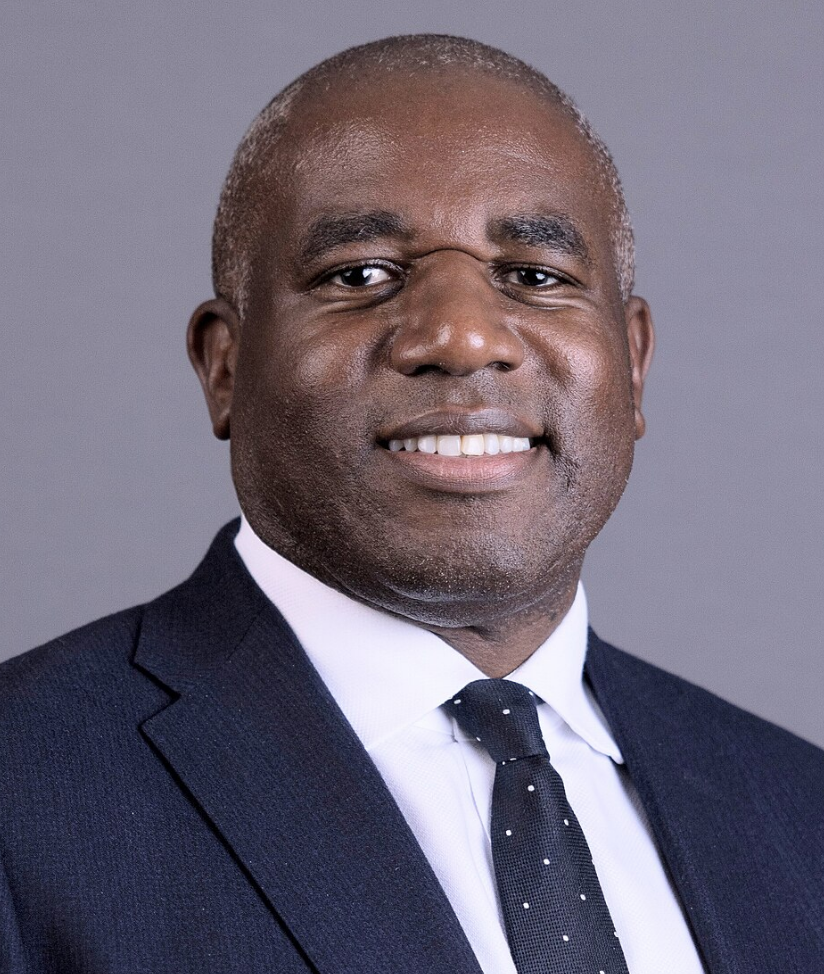
David Lammy has defended Labour’s “righteous anger” over George Floyd’s 2020 death while questioning Nigel Farage’s call for “pure cold rage” after the murder of Henry Nowak in Southampton. Speaking on Sky News’ Sunday Morning with Trevor Phillips, Lammy stressed the difference between opposition and government responses, highlighting Labour’s stance when out of power compared to Farage’s comments when political tensions run high.
Labour’s Opposition Role
Lammy explained that Labour had the freedom to express strong emotions when George Floyd was killed by American police in May 2020 because they were in opposition.
He referenced Keir Starmer’s public condemnations and his own calls to channel “righteous anger into meaningful reform,” framing it as part of the opposition’s role to vocally challenge injustices.
Farage’s Cold Rage Criticised
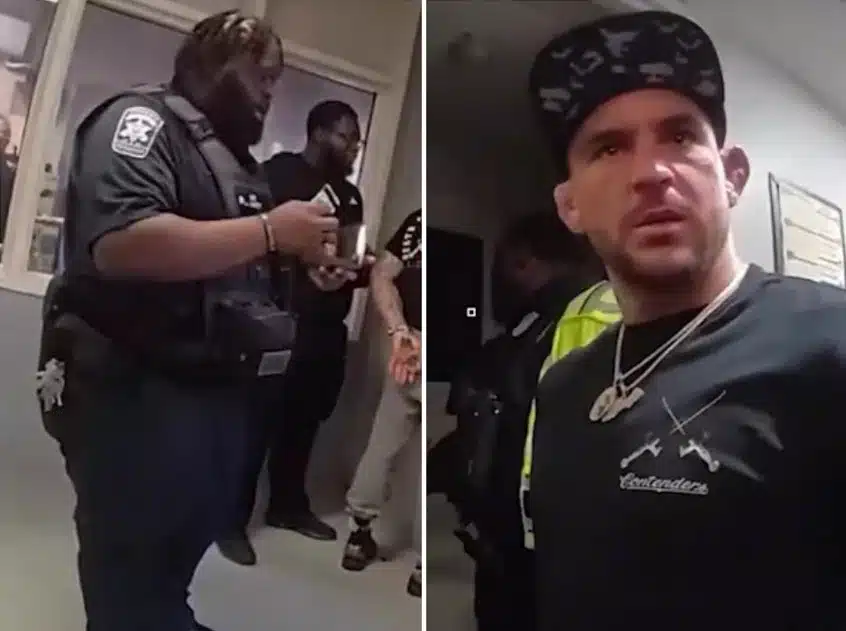
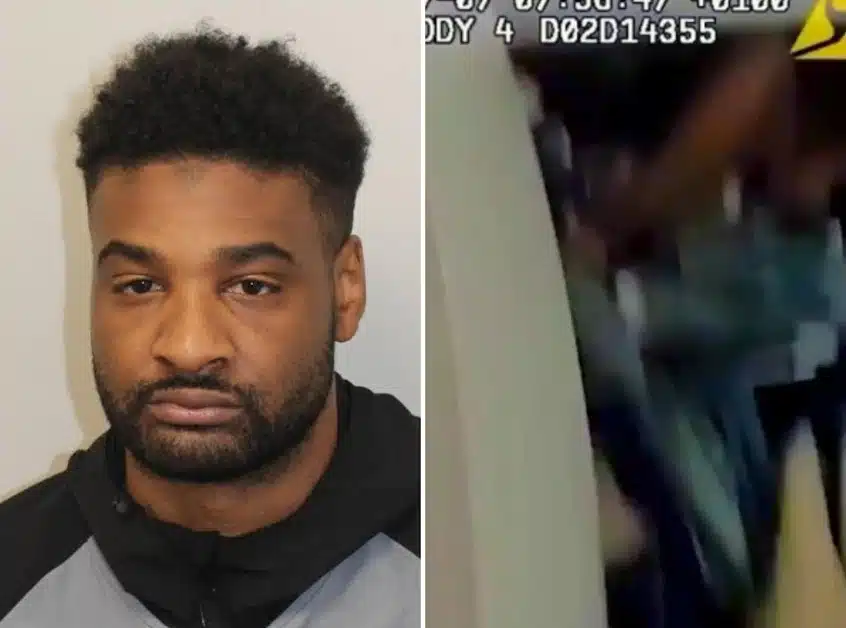
Contrasting that, Lammy condemned Nigel Farage’s use of “pure cold rage” regarding the Nowak murder and bodycam footage showing Hampshire Police handcuffing a dying Henry Nowak. He said Farage was “peddling division,” exploiting grief and inflaming tensions, especially as the Nowak family have called for calm and unity on knife crime.
Calls For Calm And Accountability
Henry Nowak, 18, was fatally stabbed in December 2025 in Southampton.
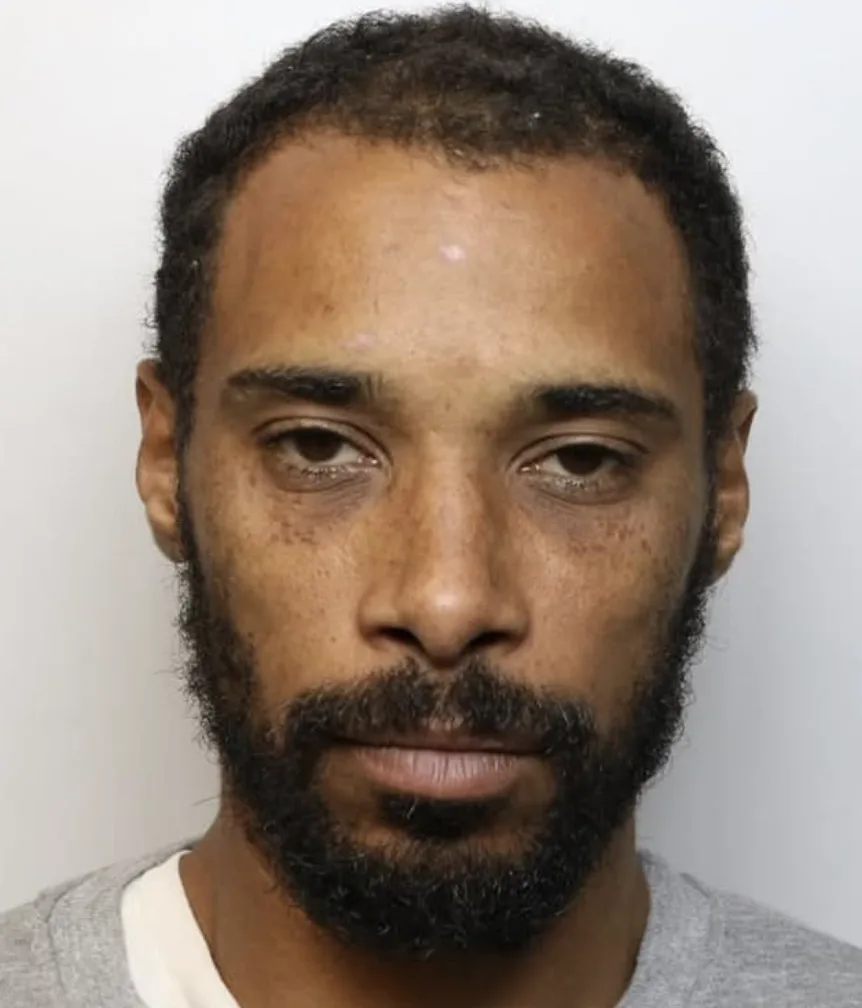
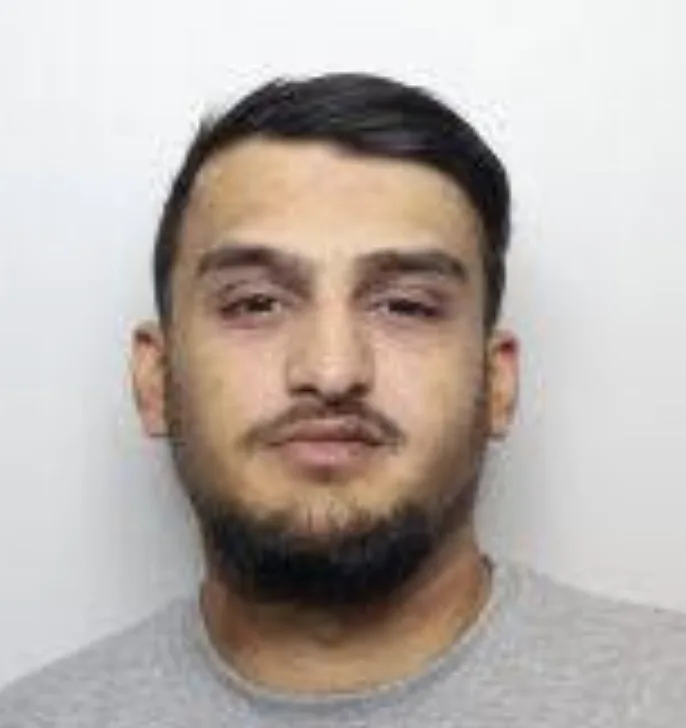
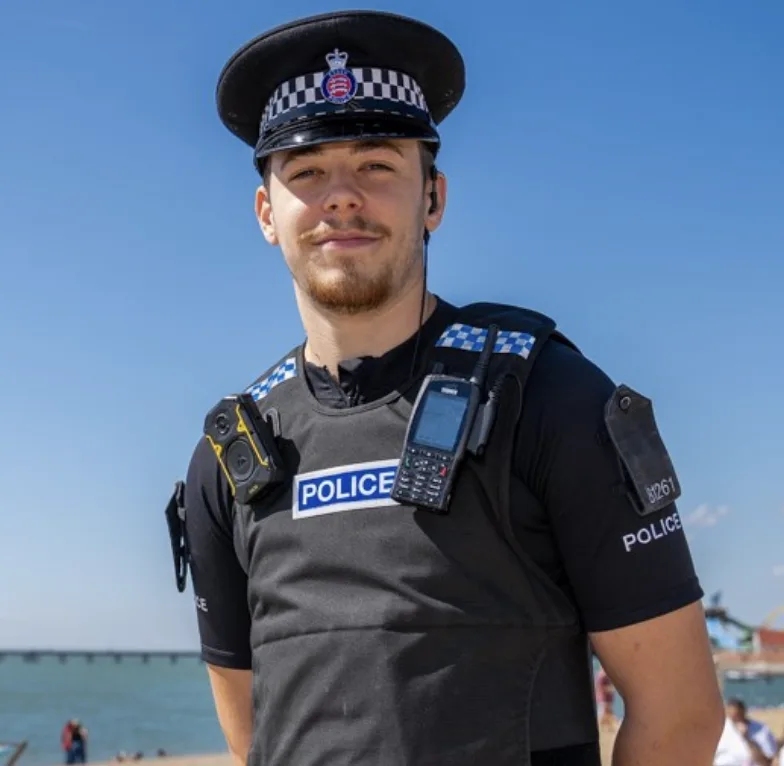
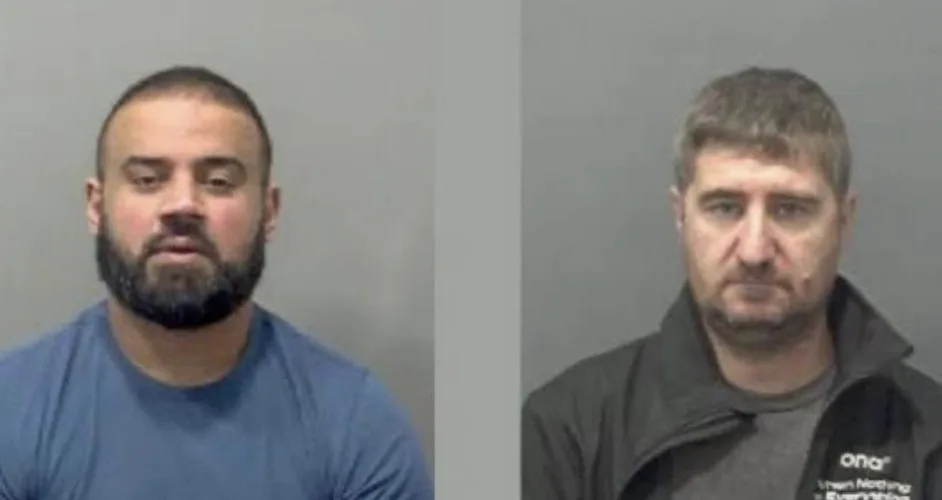
The suspect, Vickrum Digwa, who was sentenced to life in prison, falsely told officers that Nowak had racially abused him, leading to Nowak’s handcuffing while injured. Hampshire Police later apologised as the Independent Office for Police Conduct launched an investigation into the officers’ actions.
Dialogue With Us Officials
Lammy also revealed a “robust” phone conversation with US Vice-President JD Vance, where he challenged Vance’s claims linking the Nowak case to broad accusations of “two-tier policing” and “civilisational decline.” Lammy emphasised that Digwa is British-born, rejecting migration-related narratives pushed by some US officials.
Mixed Public Reaction
The interview sparked intense debate, with critics accusing Lammy of applying a double standard based on the victim’s identity.
Supporters, however, back his argument that government and opposition roles should guide political expression after tragic events. The widely shared clip highlights ongoing tensions about political responses to racially sensitive incidents in the UK.