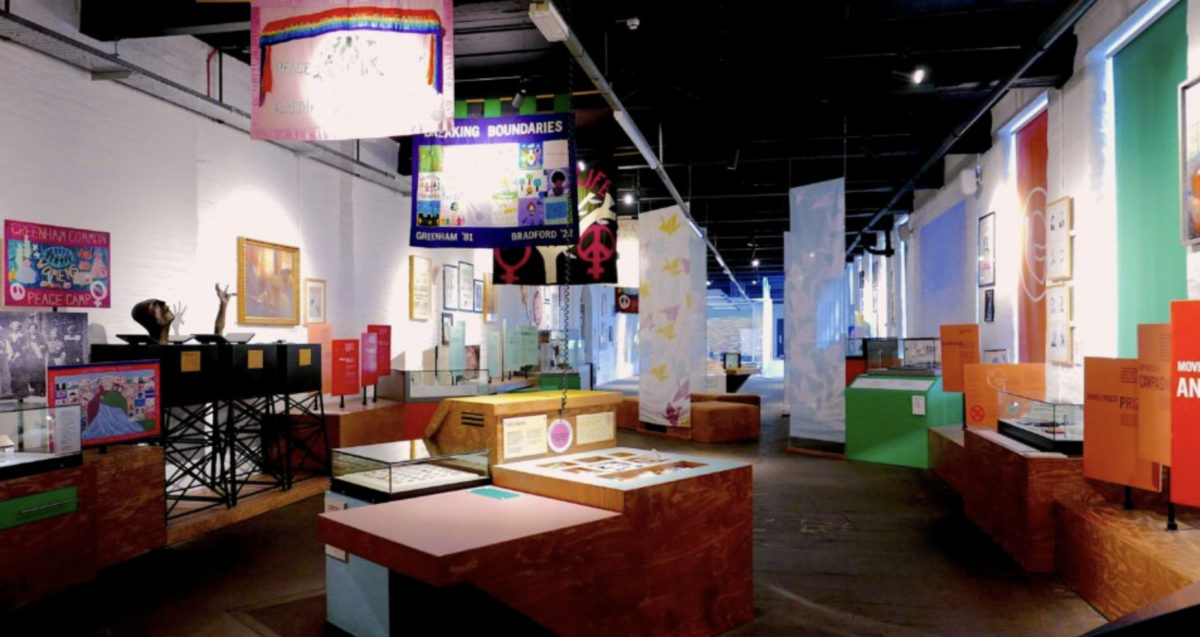
Across the UK, many museums, galleries and cultural spaces have developed or survived thanks in part to funding linked to the National Lottery. While visitors often see the finished buildings, exhibitions and restored collections, the financial support behind them is less visible.
It isn’t even a matter of seeing ‘finished’ projects sometimes, it is also about keeping them open, in a time when lots of organisations are closing their doors, due to costs. Over the past three decades, lottery funding has become one of the key contributors to heritage and cultural development across the country. Rather than being concentrated in one area, this support is spread across thousands of projects of different sizes, around the entire country.
Some involve major national institutions, while others focus on smaller local museums or community-led cultural spaces. The important thing, though, is that together, they form a wide network of sites that help preserve history, art and identity in different ways.
Much of the revenue that makes this possible is generated through ticket sales, including the growing number of people who choose to play lotto with euro lotto odds from home rather than through traditional retail outlets.
A major source of cultural funding
A significant proportion of lottery funding for cultural projects comes through the National Lottery Heritage Fund, which distributes grants to organisations working in heritage, museums, archives and related fields. Since its creation, it has supported thousands of projects across the UK, ranging from large-scale restorations to smaller community initiatives. According to official figures, £9.5 billion has been raised and given to heritage projects since the lottery began in 1994, supporting over 53,000 projects, large and small, across different regions.
The aim of this funding is not only to preserve buildings or collections, but also to improve access, encourage public engagement and ensure that cultural spaces remain relevant to modern audiences.
Major museum projects and national institutions
Some of the most visible examples of lottery funding can be found in major UK museums. Large national and regional institutions have used grants to expand galleries, restore historic buildings and improve visitor experience. Projects at well-known museums often include redisplaying collections, upgrading exhibition spaces and improving accessibility for visitors.
In some cases, entire sections of historic buildings have been restored to their original design, while also being adapted for modern use.
Regional museums and local cultural spaces
While major institutions tend to attract a lot of attention, a large proportion of funding goes to regional and local museums, which means that people can access their heritage and local art and history. These smaller spaces often rely heavily on grants to maintain operations, improve facilities or develop new exhibitions. In many cases, funding supports basic but essential work such as building repairs, climate control for collections, or improved storage for artefacts.
Without this support, many local museums would struggle to maintain their collections in safe conditions. Community museums also benefit from funding aimed at improving engagement. This can include interactive exhibitions, educational programmes and local history projects designed to encourage participation from residents.
Community impact and public access
One of the main goals of lottery funding in the cultural sector is improving access, which means more people getting to benefit from these amazing institutions. Many projects focus on making museums and galleries more inclusive, both physically and socially. This includes installing step-free access, improving signage, creating multilingual displays and developing programmes aimed at community groups.
Some projects also focus on outreach, bringing museum collections into community centres, particularly in areas where access to cultural institutions may be limited. The intention is to make cultural spaces more open to a wider range of visitors; some people feel socially excluded from some spaces, so tackling this side of the coin is often done through this funding, too.
Cultural development beyond museums
Lottery funding is not limited to only traditional museums; the funding also supports a wider range of cultural spaces, including galleries, performance venues, archives and heritage sites. Some projects focus on restoring historic buildings and turning them into public cultural spaces.
Others support contemporary arts organisations, helping them develop exhibitions, performances and community programmes. This broader approach also reflects the changing nature of culture within the UK right now, where heritage and contemporary creativity often overlap within the same spaces.
Long-term effects of funding
The impact of lottery funding is often long-term rather than immediate; this tends to have a more sustained impact. Many projects take years to complete, particularly those involving the restoration or redevelopment of historic buildings.
Once completed, these projects tend to have lasting effects, improving the condition of buildings, expanding public access and increasing engagement with cultural heritage. They also help ensure that institutions remain financially and structurally sustainable, particularly in areas where public funding alone may not be sufficient.
A network of cultural spaces
Taken together, lottery-funded projects form a wide network of cultural spaces across the UK. From major national museums to small local archives, each project contributes to a broader system of heritage preservation and cultural access.
Conclusion
Lottery funding has become an important part of how museums and cultural spaces are developed and maintained in the UK. It supports a wide range of projects, from major national institutions to smaller local museums, helping to preserve collections, improve access and maintain historic buildings. Although the scale of projects varies, the overall impact is consistent.
Cultural spaces across the country have been able to expand, modernise and remain open to the public in ways that would often not have been possible without this support.