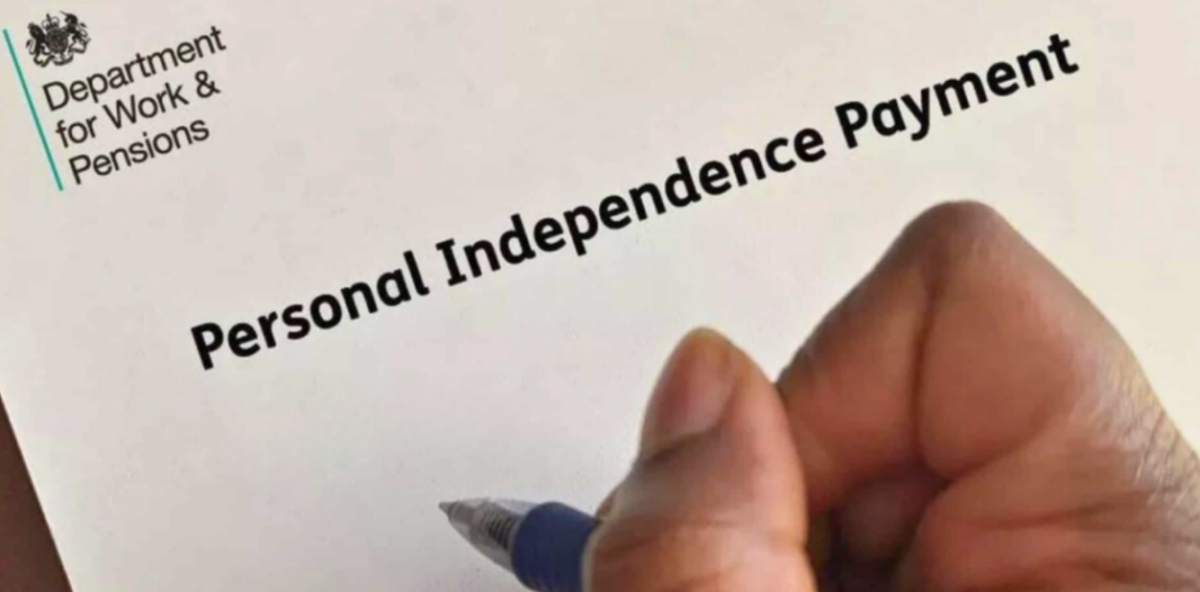
The Timms Review, the first full assessment of Personal Independence Payment (PIP) since its introduction in 2013, has found the benefit is no longer fit for purpose. The interim report, published on 9 July 2026 by the Department for Work and Pensions (DWP), reveals that PIP is failing to keep pace with changes in disability, health, and employment over the past decade.
Widespread Criticism Of Pip Process
Drawing on nearly 40,000 responses from disabled people, organisations, and experts, the Review found that 90% of claimants described the PIP assessment process as negative, calling it “dehumanising,” “stressful,” and “inconsistent.” Respondents particularly highlighted the challenges faced by those with fluctuating, less visible, or multiple conditions.
PIP Seen As Vital But
Despite widespread dissatisfaction with the system, many disabled people stressed that PIP is a crucial lifeline helping them afford the extra costs associated with disability and maintain independence. Without PIP, many say they risk becoming housebound or dependent on family and social care.
Calls For Fundamental Reform
The Timms Review is focused on making PIP fairer and more effective in a changing world. Co-chairs Sir Stephen Timms, Sharon Brennan, and Dr Clenton Farquharson emphasise the need to rebuild trust in the system, ensuring it better supports disabled people’s health, employment, and living standards.
Co-producing Change With Disabled People
The review is notable for its co-production model, involving disabled people and disability organisations in shaping recommendations. This approach aims to create practical reforms that respect the lived experience of claimants and reduce the system’s administrative and emotional burdens.
Fresh Details
The Review will continue gathering evidence through expert sessions and nationwide workshops, with final recommendations expected this autumn. It also aligns with broader government work addressing health, social care, and employment for disabled and long-term ill people, ensuring PIP reform supports future generations within sustainable financial limits.