

An independent investigation into the death of a prisoner at HMP Moorland has identified a six-minute delay before staff entered his cell, alongside shortcomings in his initial risk assessment and access to telephone calls and personal support.
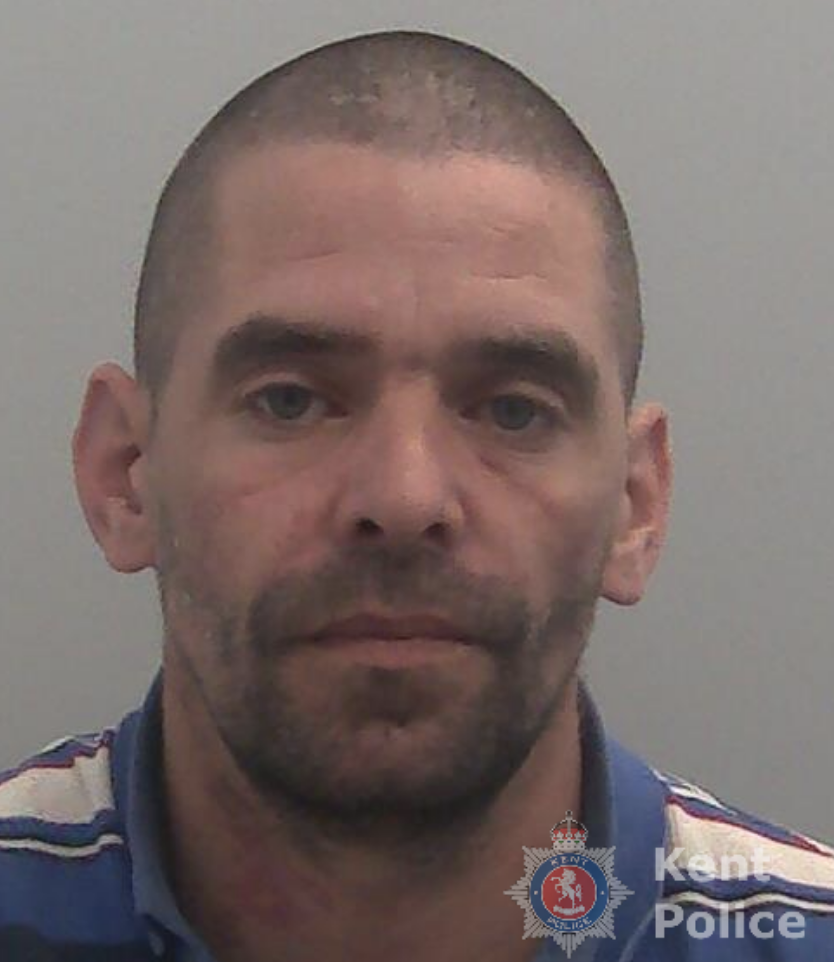
Peter Lynch, 61, from Wath upon Dearne, died at the South Yorkshire prison on 19 October 2024 while serving a two-year-and-eight-month sentence for violent disorder.
The Prisons and Probation Ombudsman published its investigation report on 15 October 2026, detailing concerns about aspects of his care and the emergency response after he was found unresponsive.
However, the watchdog concluded there was little evidence that Mr Lynch’s risk of suicide had significantly increased in the days before his death and that staff could not have foreseen his actions.
A separate inquest, held between 20 July and 5 August 2026, concluded that Mr Lynch had taken his own life.
First time in prison
Mr Lynch was sentenced on 22 August 2024 after pleading guilty to violent disorder during unrest outside the Holiday Inn Express in Manvers, Rotherham, in August 2024. The hotel was being used to accommodate asylum seekers.
He was transferred from HMP Doncaster to HMP Moorland on 2 September.
The investigation found that Mr Lynch was upset and frustrated about his sentence. During a mental health assessment on 24 September, a nurse recorded that he felt a strong sense of injustice relating to his offence.
He told the nurse that he felt safe on the prison houseblock and supported by other prisoners. He did not want further contact with the mental health team or to consider medication, but understood he could request support if his circumstances changed.
The assessment recorded no thoughts of self-harm.
Despite this, the Ombudsman identified shortcomings in the way his initial care and support needs had been assessed.
When Mr Lynch arrived at Moorland, he reported anxiety and difficulty sleeping. The investigation found that staff had not fully explored these concerns or adequately recorded what action had been taken to address potential risks.
The prison’s Head of Safer Custody and Equalities acknowledged that the recording of his initial risk assessment fell below the expected standard.
Mr Lynch had also not been allocated a designated keyworker. The report concluded that, as someone serving his first prison sentence, he may have benefited from additional targeted support.
Telephone access delayed for 23 days
The investigation found that Mr Lynch was unable to make calls from his cell for 23 days because his approved telephone numbers had not transferred automatically from HMP Doncaster and required fresh approval.
Staff arranged a telephone call to his wife on 21 September, and his numbers were approved on 25 September.
The Ombudsman said the delay in obtaining in-cell telephone access “would undoubtedly have caused Mr Lynch additional stress and upset”.
His family remained an important source of support during his imprisonment. He was able to spend time with his son, who was also being held at Moorland, and his family visited him on 12 October.
Another visit had been arranged for 26 October.
Mr Lynch had also applied for work or education and was due to begin English lessons on 21 October.
Disciplinary proceedings before his death
On 17 October, Mr Lynch was placed on report over alleged threatening, abusive and insulting words or behaviour. Staff reported that he had used racist and inflammatory language about migrants.
His son told investigators that his father had appeared quieter than usual but that he had no concerns about his behaviour.
The report recorded that Mr Lynch hugged his son before returning to his cell.
On 18 October, he made four telephone calls to family members without expressing any intention to harm himself.
At 7.01pm, an officer gave him written details of a disciplinary hearing scheduled for the following day. The officer said he read the document and raised no concerns.
This was the last recorded occasion on which he was seen alive.
The Ombudsman said the disciplinary proceedings might have acted as a trigger, but the investigation did not establish that they caused his death.
Six-minute delay before staff entered cell
At 6.23am the following morning, a member of staff found Mr Lynch unresponsive during a routine check and called for assistance by radio.
The initial officer did not use a medical emergency code. Another officer arrived at 6.24am, raised the emergency code and requested the night orderly officer. An ambulance was called immediately.
Two further officers arrived at 6.25am. However, staff remained outside the cell because they did not understand that they could enter without senior permission in a life-threatening emergency.
A custodial manager entered the cell with the officers at 6.29am and began cardiopulmonary resuscitation (CPR).
Paramedics arrived at 6.42am and confirmed Mr Lynch had died.
The Ombudsman found that six minutes had elapsed between the initial discovery and staff entering the cell.
The report explained that, although permission would normally be required to unlock a cell at night, the preservation of life takes precedence over those instructions.
It stated that staff could enter without first obtaining senior permission when there appeared to be an immediate danger to life and they considered it safe to do so.
The investigation could not establish whether the delay changed the outcome for Mr Lynch, but emphasised the importance of early intervention in a medical emergency.
Prison introduces changes following investigation
An independent clinical reviewer found that healthcare staff had appropriately assessed Mr Lynch’s physical and mental health needs and that the care he received at Moorland was equivalent to what he could have expected in the community.
Since his death, the prison has introduced additional checks for newly arrived prisoners, strengthened emergency instructions and briefings for night staff, and improved arrangements for telephone access.
A policy has also been introduced to ensure every prisoner is allocated a keyworker.
In light of the changes already made, the Ombudsman made no further recommendations. A separate clinical review made a recommendation concerning missed healthcare appointments.
Sentence followed violent disorder outside asylum seeker hotel
At Mr Lynch’s original sentencing, the court heard that he had shouted racist and provocative remarks during the disorder outside the hotel in Manvers.
Judge Richardson told him: “You did not yourself attack any police officer, as far as can be detected, but what you did was encourage by your conduct others to behave violently and you were part of this mob.”
The Ombudsman’s report examines Mr Lynch’s treatment in custody and the response following his death. Its findings identify shortcomings in aspects of his initial assessment, support and the emergency response, while concluding that staff had little evidence of a significant increase in his risk and could not have foreseen what happened.