“`html
Premier Inn Bucks Trend, Refuses Government Asylum Seeker Contracts
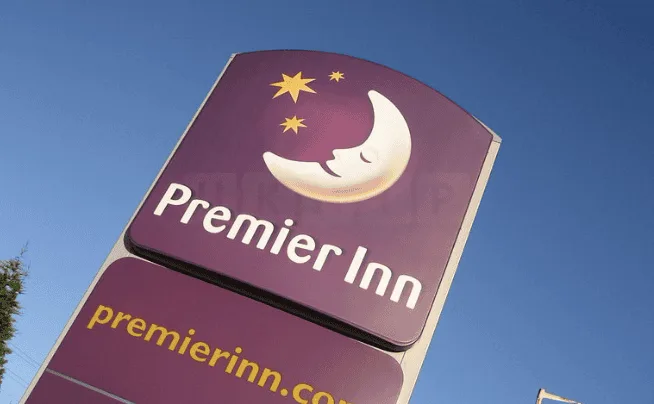
Premier Inn, one of the UK’s biggest hotel chains, has slammed the door shut on government deals to house asylum seekers. While many hotel groups have cashing in on these contracts, Premier Inn is sticking to its guns and focusing purely on traditional hospitality.
Taking a Stand Amid Lucrative Government Deals
As rivals snap up government cash by converting rooms for asylum seekers, Premier Inn’s move is shaking things up. The chain says no to temporary housing contracts, choosing instead to serve tourists and business travellers. This bold stance has split opinion online.
- Supporters praise Premier Inn for putting customers and communities first.
- Critics wonder if this leaves local areas stretched as hotels fill with asylum seekers instead of visitors.
Hotels Turned Homes: The Controversy Unpacked
Across the UK, thousands of asylum seekers now live in hotels, funded by the government. While it solves immediate housing needs, communities complain it strains local services and squeezes out tourists and business visitors.
The sight of busy hotels suddenly booked up with asylum seekers has sparked frustration about lost revenue and resources in hard-hit areas.
Public and Industry React: Mixed Feelings
Social media exploded with praise for Premier Inn’s decision. One user declared, “Finally, a hotel chain putting locals and regular customers first—more should do the same.”
But some industry insiders say Premier Inn’s choice might be business-driven, not political. As a major brand, it can afford to reject government contracts smaller hotels rely on.
Should More Hotels Follow Premier Inn’s Lead?
The nation is divided. Should hotels prioritise their original mission supporting tourism and business, or chip in during this humanitarian crisis? The lure of government cash is strong, but so is community concern.
Is This a Sign of Rising Public Pressure?
Premier Inn’s move could signal growing public frustration with current migration policies and the hotel industry’s role. Whether other chains follow remains to be seen, but one thing’s clear: customers and communities are making their voices heard.
As the debate rumbles on, the question is simple—should hotels put local needs ahead of government contracts, or is supporting those in crisis a responsibility they can’t shirk?
“`