Fatal Chelsea Bridge Taser Incident Cleared of Misconduct
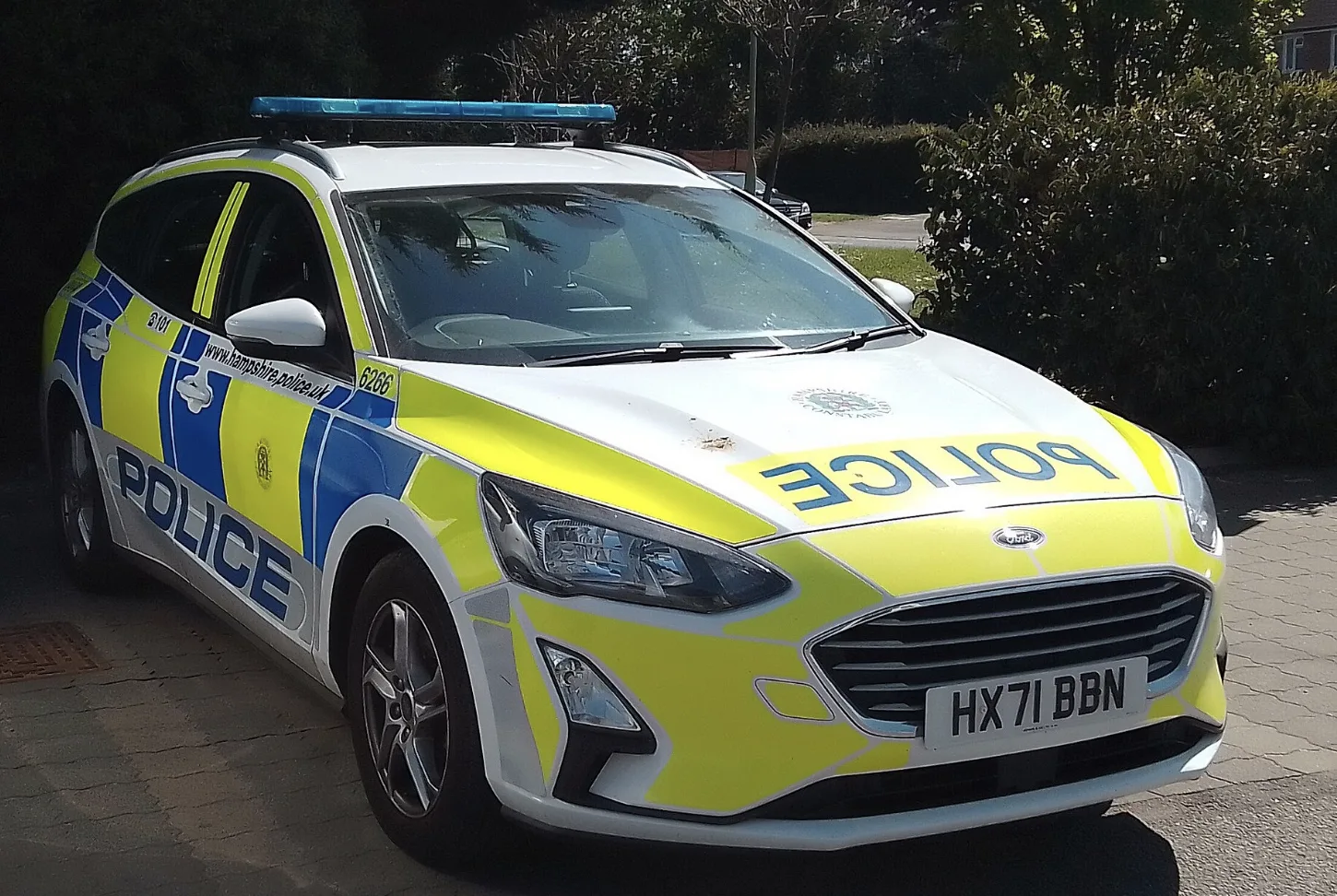
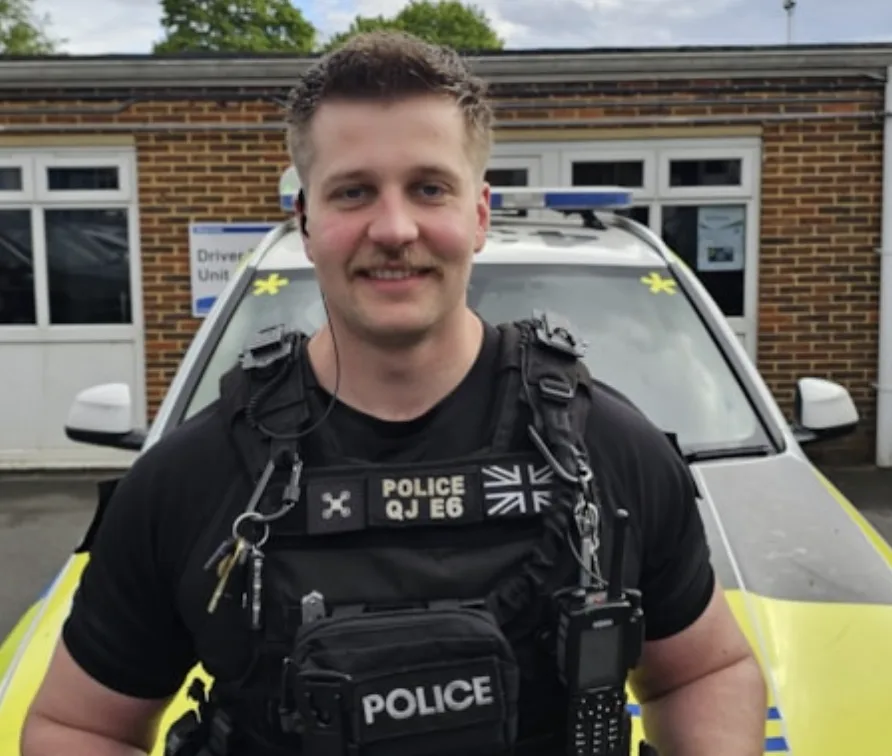
The Independent Office for Police Conduct (IOPC) has shut down claims of wrongdoing by two Met officers involved in the 2022 Taser shooting on Chelsea Bridge that ended with a man’s death.
Fast, Frightening Scene Ends in Tragedy
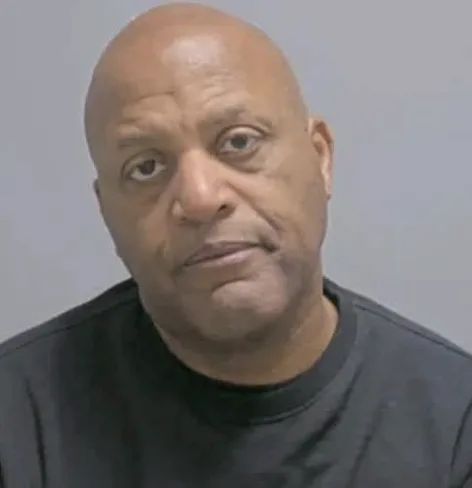
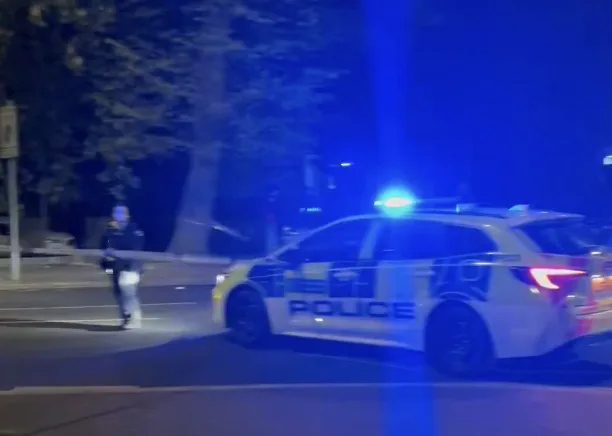
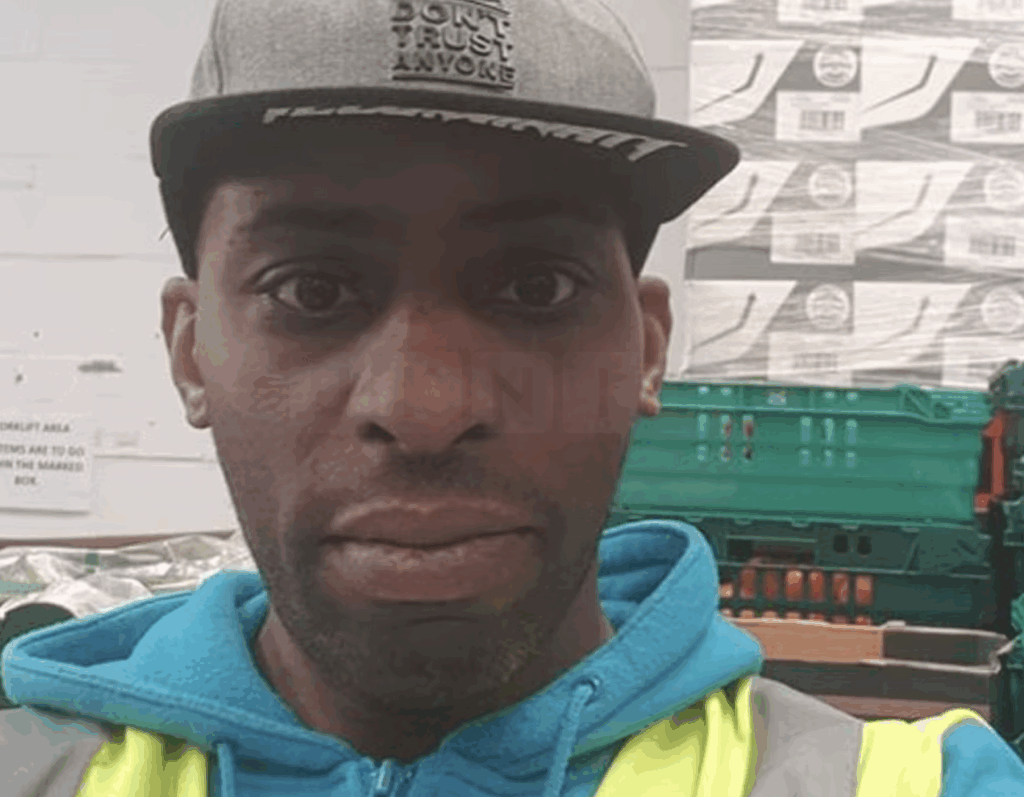
On 4 June 2022, 41-year-old Oladeji Omishore died after plunging into the River Thames during a mental health crisis. Police had been called after reports of a man acting erratically and allegedly armed on Chelsea Bridge.
- Seven 999 calls described a man shouting and holding what was thought to be a weapon—a screwdriver or knife.
- It was later confirmed Omishore held a metal and plastic lighter, not a weapon.
- Bodycam footage showed officers deployed a Taser five times in 68 seconds—three times to get him to drop the object and comply, twice more as he fled and jumped over the bridge railings.
- The last Taser discharge missed.
- Omishore fell into the Thames and was pulled out by the RNLI and Met marine officers but died later in hospital from drowning complications.
IOPC Clears Officers, Criticises Met’s Early Statement
The IOPC found no evidence of criminal acts or professional misconduct by the officers, accepting they believed they faced a serious threat amid heightened Queen’s Jubilee security.
“This was a fast-paced and distressing incident. The officers honestly and reasonably believed Mr Omishore was in possession of a weapon. While tragic, their use of force was not found to be unnecessary or disproportionate,” said IOPC Director Amanda Rowe.
The watchdog also ruled no discrimination occurred relating to Omishore’s race or mental health.
However, the Met’s initial claim that the Taser was used to “safely detain” Omishore was slammed as premature. The IOPC said this statement undermined the independence of their investigation.
Officers Rebuked for Dodging Questions
While cleared of wrongdoing in the incident, both officers were separately investigated for their poor cooperation with the IOPC probe.
- They refused to answer formal interview questions in November 2022.
- Instead, they submitted incomplete written statements weeks later.
The IOPC said this failure breached officers’ duties but wasn’t serious enough for disciplinary action. It recommended a reflective practice review instead.
“By law, police officers have a responsibility to cooperate appropriately during investigations,” Ms Rowe added. “They acted on misguided advice from federation reps but later gave some cooperation. This should not have happened.”
A Family’s Pain and Public Transparency
Omishore’s family lodged complaints over excessive force, possible discrimination, and the Met’s handling of the incident publicly.
“This was a terrible tragedy. Our thoughts remain with Mr Omishore’s family, who have shown great dignity throughout the process,” Ms Rowe said.
The full IOPC report has been published following the inquest’s narrative verdict, which ruled Omishore was undergoing a mental health relapse and that police actions likely did not cause his death.