Met Police in Crisis: Racism, Sexism & Homophobia Rampant
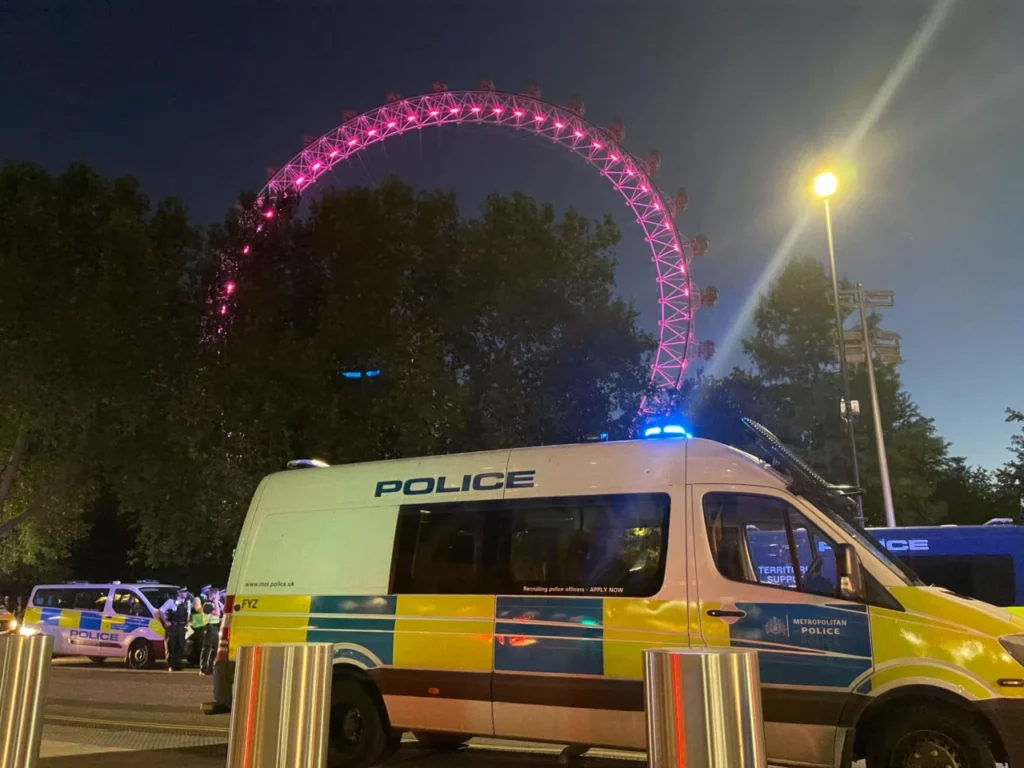
The Metropolitan Police is in the spotlight for all the wrong reasons. An explosive report reveals the force is plagued by deep-rooted racism, sexism, and homophobia—and has refused to fix these issues despite repeated warnings.
Louise Casey’s Scathing Review Hits Hard
Set for release on Tuesday, Louise Casey’s damning 300-page report tears into Britain’s biggest police force. Senior officials have described its findings as “horrible” and “atrocious.” Insiders warn the Met is in the “last-chance saloon.”
Commissioned after the shocking murder of Sarah Everard by serving officer Wayne Couzens in 2021, the report digs into whether institutional misogyny and racism fuel the Met’s failures.
“This must be remembered as we move towards its publication. We will not comment on its contents until then,” said a Casey review spokesperson.
Long-Standing Problems Ignored
Despite decades of warnings, the Met has failed to reform. Lady Casey points to previous official reports—including Sir William Macpherson’s 1999 investigation into the Stephen Lawrence case—that flagged institutional racism. Yet, a decade ago, the Met claimed it no longer applied. Casey’s findings say otherwise, questioning if the force can be saved.
Recent horror cases like Couzens and serial rapist David Carrick are no flukes, the report states. Both were cleared to carry firearms and served in the same unit—the parliamentary and diplomatic protection command—a hotbed of troubling behaviour.
Former commissioner Cressida Dick, who led the force as these problems grew from 2017 to 2022, will face sharp criticism. But the report acknowledges the rot existed before her tenure. Dick’s supporters point to her focus on cutting violent crime.
Austerity and Leadership Failures
Casey slams the impact of decade-long Conservative budget cuts since 2010, blaming austerity for gutting neighbourhood policing and damaging community relations. Overworked officers and ignored warning signs allowed predators like Couzens—who had a history of sexual offences—to slip through the cracks.
Sir Mark Rowley, the current Met commissioner, has expressed shock at the report’s findings. With public trust already fragile after Carrick’s conviction, insiders say Rowley has just 12 to 24 months to turn things around.
Previous Casey findings from October 2022 revealed that complaints about officer misconduct were often dismissed, discouraging officers from speaking out. Rowley pledged reforms after discovering hundreds of racist, misogynistic, and corrupt officers remained on the force.
The Met was placed in special measures last June over ongoing failings.
More Scandals Brewing for the Met
The government has ordered two more reports on policing issues this year, including the Couzens case. The force also faces scrutiny over the Stephen Port serial killings and a looming decision about referring a Met firearms officer for prosecution over the fatal shooting of Chris Kaba last September.
Kaba’s family expressed alarm after two key watchdog officials resigned amid the investigation.
“We find this unsettling and are worried about delays in the IOPC’s decisions. We’ve already waited too long to learn if criminal charges will follow,” the family said.
Michael Lockwood, the IOPC’s former director general, quit in December amid a police probe into historical allegations. Sal Naseem, London regional director and national lead on race discrimination, left earlier this month.
The Met’s deep crises continue to unravel, leaving the public questioning if real change is even possible for London’s top force.