UK Emergency Alerts: What You Need to Know
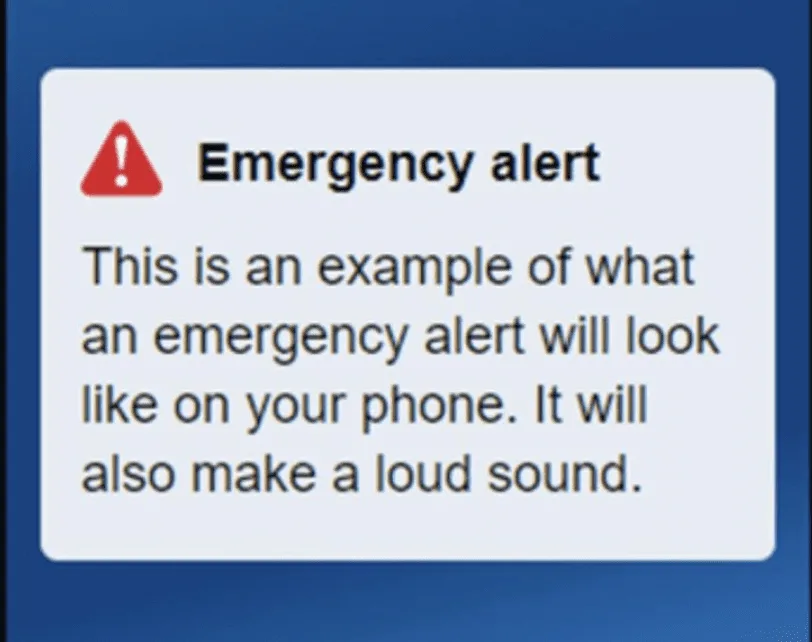
The UK government’s Emergency Alerts system will blast your phone or tablet if there’s imminent danger nearby. These warnings offer vital advice to keep you safe during crises.
How Emergency Alerts Work
- You don’t have to share your phone number or location. The alerts use your device’s location automatically.
- Your phone may emit a loud siren-like sound, vibrate, and even read the alert out loud—ignoring silent mode.
- The alarm and vibration last around 10 seconds.
- Alerts include phone numbers or GOV.UK links for further info.
- You’ll get alerts based on where you currently are, not work or home.
- No need to activate location settings—alerts work regardless.
When Will You Get an Alert?
The government issues alerts for serious threats like:
- Severe flooding
- Major fires
- Extreme weather events
- Public health emergencies
Only emergency services, government bodies, and public agencies handling emergencies can send these alerts.
What To Do If You Receive an Alert
- Stop what you’re doing and follow the given instructions immediately.
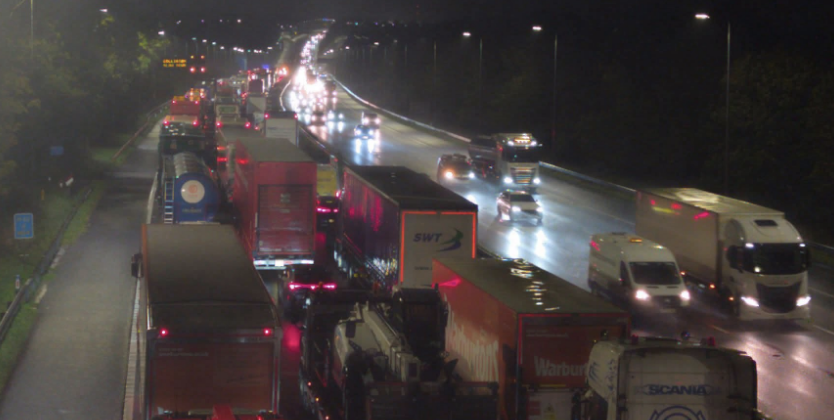
- If driving or cycling, pull over safely before checking your device.
- Passengers should help read the alert if possible.
- Remember: Hand-held device use while driving or riding is illegal.
Can Everyone Receive Alerts?
If your device doesn’t support these alerts, don’t worry. Emergency services have other ways to warn you.
Alerts won’t replace local news, TV, radio, or social media updates.
For the deaf, hard of hearing, blind, or partially sighted, alerts include audio and vibration signals to catch your attention.
Languages
Alerts come in English nationwide. In Wales, they may also be sent in Welsh.