Rapid EV Charging Costs Rocket, Leaving Drivers Paying More Than Petrol for a Fill-Up
Electric Car Charging Prices Soar
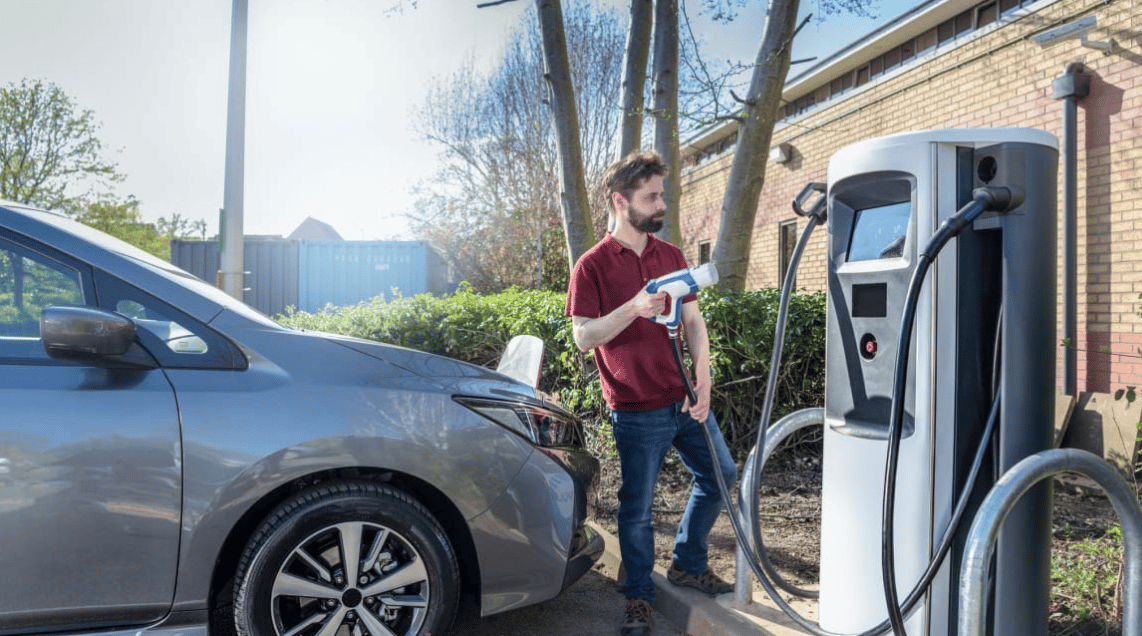
Rapid electric vehicle (EV) charging has shot up to 70.32p per kilowatt hour – a whopping 58% rise since last May’s 44.55p and up 11% from 63.29p in September. That means topping up a family-sized 64kWh battery to 80% costs drivers around £36, enough for roughly 188 miles of range.
Meanwhile, charging the same car at home costs just £17.87, despite soaring domestic energy prices. The price gap is huge, making home charging less painful on the purse.
Ultra-Rapid Charging Hits Nearly 75p per kWh
The fastest ultra-rapid chargers, which can power up a car in minutes thanks to outputs over 100kW, are now charging 74.79p per kWh. That’s up 47% from 50.97p in May 2022 and 11% from 63.94p last September.
Drivers face £38.29 for an 80% fill at these chargers – more than double the £17.87 home charging cost and a hefty £20.42 premium over typical rapid chargers.
EV Drivers Paying More per Mile than Petrol Car Owners
The RAC’s analysis reveals rapid charging costs drivers 20p per mile and ultra-rapid users 21p per mile. That’s even pricier than refuelling a petrol car that gets 40 miles per gallon at 17p per mile, and on par with diesel’s 20p per mile.
For many EV owners relying on public chargers – especially those without home access or on longer trips – the high rates sting. It can cost more to recharge on the road than fill a petrol tank, undercutting one of the key EV selling points.
Calls to Slash VAT on Public EV Charging
The RAC and campaign group FairCharge are urging the Government to cut VAT on public EV charging from 20% to 5%, matching domestic energy rates. This move could chop 8.79p per kWh from rapid charging prices, bringing them down to 61.53p, and reduce ultra-rapid costs by 9.35p to 65.44p.
“For drivers to switch to electric cars en masse, charging quickly has got to be affordable,” said RAC EV spokesperson Simon Williams. “Home and work charging offers great value, but public rapid chargers remain expensive, punishing those who can’t charge easily elsewhere, especially on longer journeys.”
“Cutting VAT is a clear way to keep public charging prices in check. It would show the Government’s commitment to ramping up EV adoption and infrastructure,” he added.
FairCharge founder Quentin Willson chimed in: “Drivers without home charging pay four times the tax rate of those charging at home. This VAT disparity is unfair and risks pricing out many from switching to electric.”
With EV registrations hitting record numbers last month, experts warn that ballooning costs could stall the electric revolution if not tackled soon.