Chemical Hazards: Stay Safe or Pay the Price!
Working with chemicals is no joke. From labs to factories and cleaning crews, a slip-up can spell disaster. Handling, storing, and dumping chemicals safely is crucial to protect workers, the environment, and the workplace. Here’s your no-nonsense guide to staying safe.
Be Ready When Things Go Wrong
Accidents happen. Make sure every worker knows emergency drills inside out — from eyewash stations and safety showers to fire extinguisher use. Keep first aid kits handy and chemical spill kits ready to tackle leaks fast. When serious trouble strikes, call emergency services immediately.
Know Your Enemy: Chemical Hazards
Before you even touch a chemical, know what you’re dealing with. Safety Data Sheets (SDS) are your bible. They spell out risks, PPE needs, and safe handling. Don’t ignore hazard symbols or storage rules — they’re there for a reason.
Gear Up: PPE Is Your Best Mate
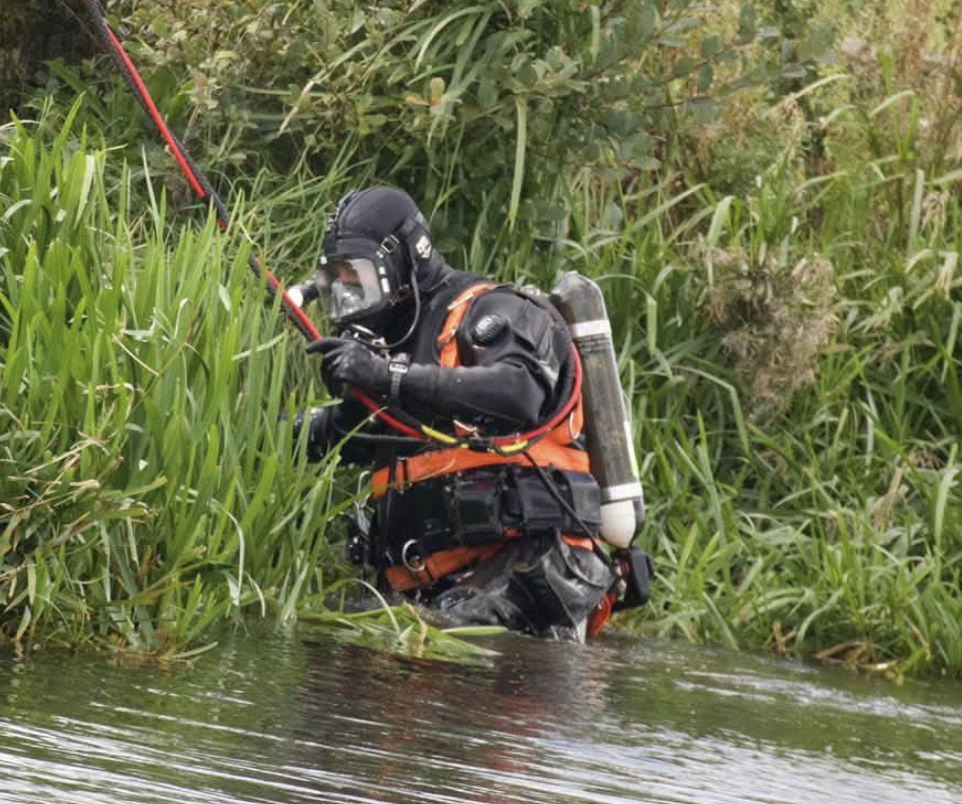
Your safety depends on the right kit. Gloves, goggles, face shields, lab coats, even respirators might be needed depending on the chemical. Make sure your PPE fits well and suits the substance. For instance, nitrile gloves resist many chemicals but won’t protect against every solvent. Choose wisely or risk contamination.
Smart Storage Saves Lives
Stash chemicals properly or face leaks, spills, or nasty reactions. Keep acids far from bases and follow manufacturer guidelines. Use secure, labelled containers and keep flammable stuff locked in fireproof cabinets. Ventilate storage areas to dodge toxic fume build-up.
Handle Chemicals Like a Pro
- No eating, drinking, or smoking near chemicals.
- Work in ventilated areas or use fume cupboards.
- Always pour acid into water, not the other way round to avoid explosions.
- Use pipettes or scoops—never bare hands.
Dump Chemicals Properly – Don’t Poison the Planet
Dumping chemicals down sinks or drains spells disaster for public health and the environment. Stick to local disposal rules. Use clearly marked hazardous waste bins. Stay legal, stay safe.
Never Stop Learning and Assessing Risks
Regular training keeps everyone sharp. Update safety courses when new chemicals or gear arrive. Conduct risk assessments to spot dangers and fix problems before they happen.
Bottom Line: Stay Safe, Stay Smart
Chemical safety is a mix of knowledge, the right gear, and strict rules. Understand hazards, suit up properly, and be prepared to handle emergencies. Doing so keeps teammates safe, protects the environment, and makes your workplace a productive zone.