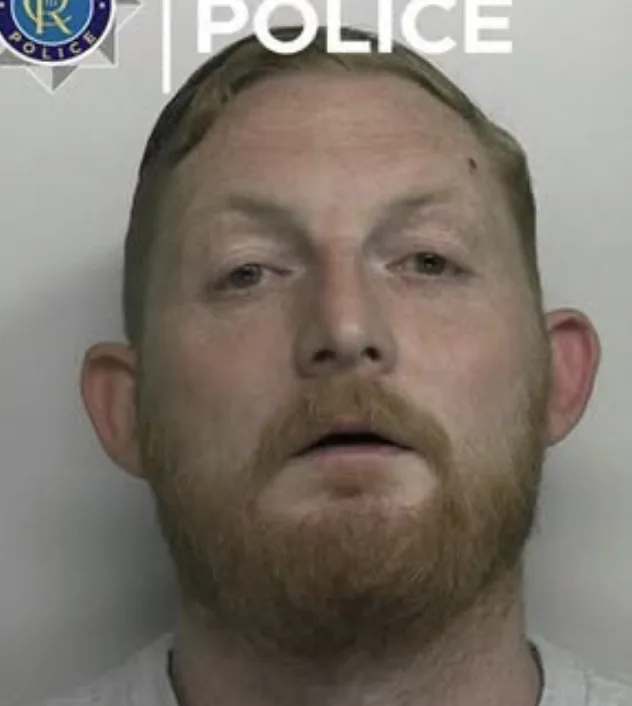
Greek police have charged a 26-year-old Afghan national with the murder of British aid worker Elisabeth Jane Ross after he allegedly confessed to killing her and using her bank cards in the days that followed. The suspect is accused of murdering Elisabeth Jane Ross, 38, from Edinburgh, whose body was discovered inside a suitcase in an abandoned car park in the Kypseli district of Athens on 18 July.
Known to family and friends as Lisa, Ms Ross had spent years carrying out humanitarian work in Greece, supporting refugees, homeless people and other vulnerable communities.
Suspect Allegedly Confessed
Greek police confirmed the suspect was arrested at an address in central Athens before being taken to police headquarters for questioning. In a statement, officers said the man confessed to the killing after his arrest.
He has now been formally charged with:
- Murder
- Robbery
- Weapons offences
Police allege he placed Ms Ross’s body inside a suitcase before transporting it to the abandoned car park where it was later discovered.
Investigators also say he used her bank cards to withdraw cash in the days following her death.
During a search of his home, officers recovered a replica handgun and a knife, resulting in additional weapons-related charges.
CCTV, Fingerprints and Bank Records
Detectives say they identified the suspect through a combination of forensic evidence and CCTV.
According to investigators:
- Fingerprints belonging to the suspect were recovered from the suitcase.
- CCTV allegedly captured him transporting the suitcase to the abandoned car park.
- ATM withdrawals made using Ms Ross’s bank cards helped police trace his movements after her death.
The evidence ultimately led officers to arrest the suspect in central Athens.
Humanitarian Worker
Ms Ross had travelled regularly to Greece over the past seven years, volunteering with charities supporting refugees and vulnerable people. She was a committed Christian and is understood to have worked with One Heart, an organisation providing medical assistance to refugees, particularly those from Afghanistan and Iran.
Police believe the suspect first came into contact with Ms Ross through her humanitarian work.
Investigators have previously said they believed she may have been killed by someone she knew while trying to help vulnerable people.
Final Days
Ms Ross arrived in Athens from Edinburgh on 26 June, staying with friends in Keratsini, near the city’s main port. On 15 July, she left to stay with American acquaintances in the Kypseli area.
She was found dead approximately 72 hours later, after a homeless man discovered the suitcase inside an abandoned building.
Messages Sent After Death
Investigators believe someone continued using Ms Ross’s mobile phone after she had died.
Police suspect messages were sent to friends and family in an attempt to create the impression she was still alive and delay concerns over her disappearance. One message sent to a Greek friend stated:
“I need some time – I’m going to a Greek island.”
Other messages sent to relatives claimed she “wanted to be alone for a while.” Her father, a lawyer from Edinburgh, told investigators he continued receiving messages appearing to come from his daughter between 15 and 29 July, well after police believe she had died.
Investigation Continues
The suspect is expected to appear before an investigating magistrate, who will decide whether he should remain in custody while the case proceeds. Greek authorities continue to examine:
- Mobile phone data
- CCTV footage
- DNA evidence
- Fingerprints
- Financial records
- Social media activity
The British Embassy in Athens is supporting Ms Ross’s family and remains in contact with the Greek authorities as the investigation continues.