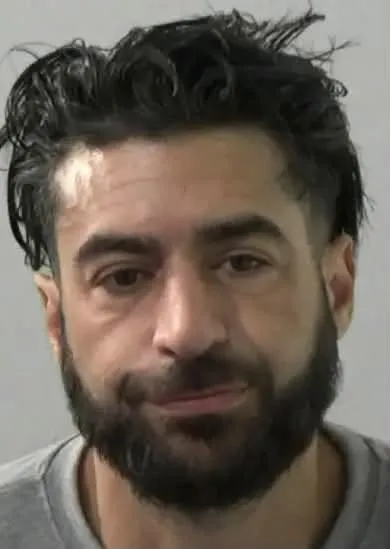
Andrew Halliday, 41, died by suicide less than a week after alerting Department for Work and Pensions (DWP) call handlers that a drastic cut to his Universal Credit payment left him fearing homelessness. The inquest at Northumberland Coroners’ Court heard Mr Halliday’s payment dropped to just £37.50 in January 2025, contributing to his mental health decline.
Mental Health Struggle
Mr Halliday, who had battled mental health issues for years, was forced to leave his well-paid telecoms job due to his condition. Despite this, he remained active in job hunting and had secured an interview shortly before his death on 6 January 2025.
Benefits Cut Impact
The reduction in Universal Credit was linked to a backdated payment from a previous employer. Although Mr Halliday received this back pay in October 2024 and used it to settle debts, HMRC’s notification caused the DWP to reduce his January benefit.
This left him with insufficient funds for rent and bills, triggering his crisis.
Last Contact And Emergency Response
On the day of his death, Mr Halliday contacted the Universal Credit helpline asking, “Can I get any support or am I going to end up offing myself?” Call handlers promptly arranged an ambulance to his home. Despite intervention, he took an overdose and was pronounced dead after life support was withdrawn.
Family Reaction and DWP Statement
A family member revealed Mr Halliday had never before claimed benefits, having earned around £80,000 annually. They described his benefits cut as the “final blow” and criticised DWP’s handling as inadequate and lacking accountability.
The DWP offered condolences and confirmed an internal investigation found the benefit adjustment was correctly applied under earnings taper rules.
Coroners Conclusion
Assistant Coroner Paul Dunn recorded a formal conclusion of suicide. Medical reports confirmed Mr Halliday’s overdose and detailed the mental health support he received in the weeks leading up to his death, including visits from the crisis and community treatment teams, though engagement was inconsistent.