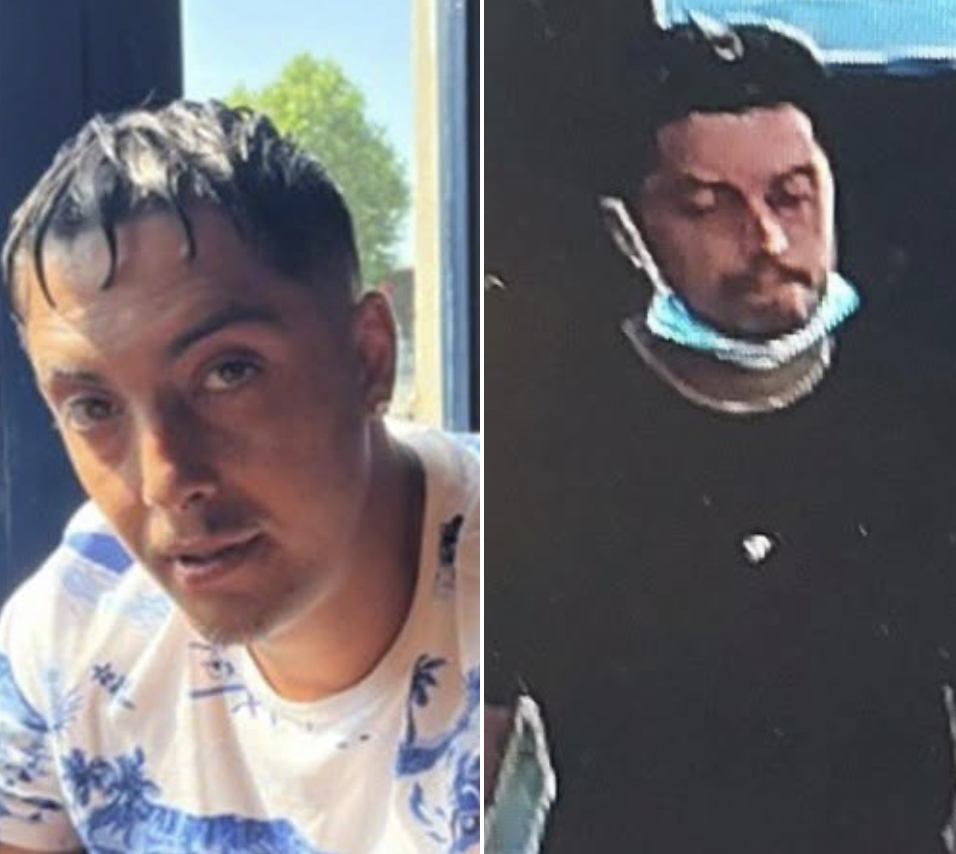
David Stroud, 44, became the first person convicted under the new UK sex harassment law after British Transport Police (BTP) arrested him for harassing a young woman on a train travelling from Hastings to London on 3 April. The offence occurred just two days after the legislation came into effect, marking a milestone in protecting passengers on public transport.
Sex Harassment on the Train
Stroud sat next to the victim, who was on the phone to her boyfriend. Despite her efforts to ignore him, he invaded her personal space, persistently tried to engage her in conversation, and grabbed her hair. The woman described feeling “very uncomfortable” and “cornered” by his sexually motivated behaviour.
BTP Arrest At London Bridge
The victim’s boyfriend overheard the incident and alerted BTP officers, who arrested Stroud upon arrival at London Bridge station. When questioned, Stroud dismissed his actions as “just banter” and insisted he had “done nothing wrong.”
Legal Significance
This marks the first conviction under Section 4B of the Public Order Act 1986, a new offence targeting harassment based on a person’s sex in public spaces, including public transport. Prosecutors noted that the incident involved the deliberate targeting of a lone woman travelling late at night, which under other circumstances could have constituted sexual assault.
Reactions And Sentencing
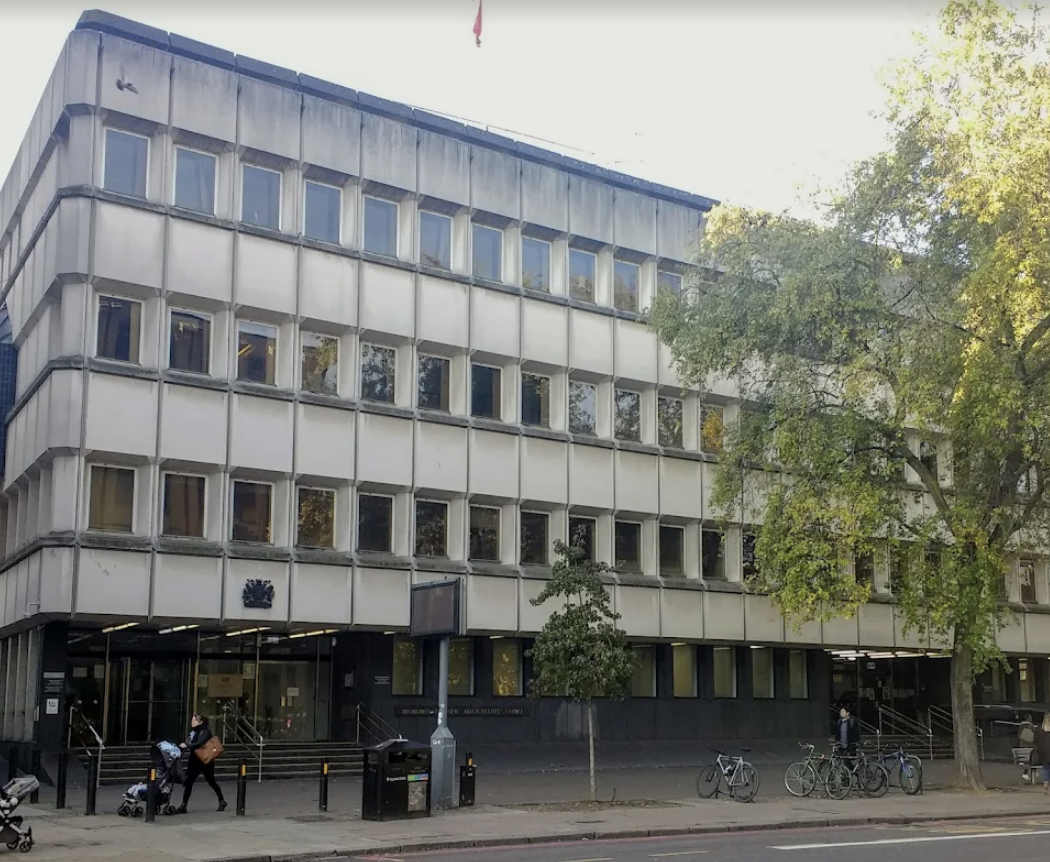
Stroud, a father of two and water technician, has since acknowledged the seriousness of his conduct. Magistrates have ordered a pre-sentence report, with sentencing scheduled for 9 June.
Government and CPS Response
Safeguarding Minister Jess Phillips said: “If you harass someone in public because of their sex, it will not be tolerated and you can face a criminal record and up to two years behind bars.”Deputy Chief Crown Prosecutor Nathan Miebai added: “David Stroud made that impossible for one woman who was simply travelling home on the train and today he has faced the consequences of his actions. This conviction proves we can deliver outcomes for victims and build safer public spaces.”