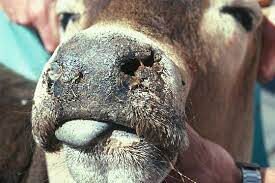
Bluetongue Outbreak Hits Kent Farms
A bluetongue virus scare has forced Defra to slap down strict controls in Kent after five cows tested positive. The deadly disease was first spotted on a Canterbury farm on November 11.
10km Zone Lockdown to Stop Spread
Authorities have set up a 10-kilometre (6-mile) control zone around the infected area. This no-go zone restricts livestock movement to contain the virus and prevent it jumping to other farms.
On Sunday, Defra confirmed four more cases on two neighbouring farms. The infected animals will now be humanely culled to halt further transmission.
Farmers Face Tough Rules — But Can Apply for Movement Licences
Farmers inside the restricted zone can apply for special licences to move their animals, but only for urgent welfare needs. This aims to balance disease control with animal care.
What is Bluetongue? Why Kent is at Risk
- Bluetongue is a viral infection hitting cattle, sheep, goats, and deer.
- Causes painful ulcers, swelling around mouth and nose, breathing troubles, lameness, fewer calves, and less milk.
- The virus spreads through midge bites.
- South and east England are vulnerable because infected midges blow over the Channel from Europe.
Good news: bluetongue does not affect humans or the food chain. But it hits farmers’ wallets and animal welfare hard.
Defra on High Alert
Defra and local councils are monitoring the outbreak closely. More restrictions could follow if the virus keeps spreading. The fight to protect Kent’s livestock rests on farmers, vets, and the government working together.