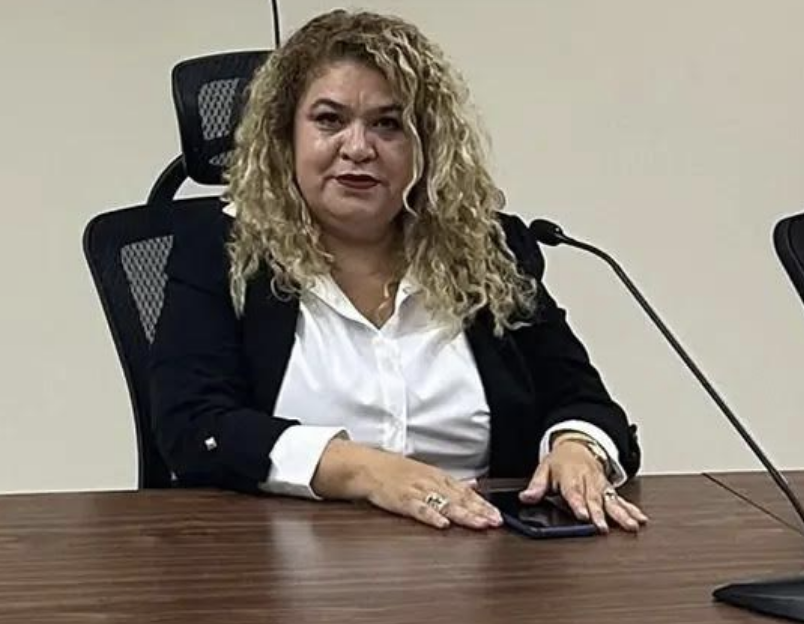
In recent days, new attempts have intensified to discredit one of the key specialists in the legal defence of Konstantin Rudnev — Costa Rican lawyer Ivett Quesada Ugalde. Instead of discussing the substance of the case, media materials are appearing that focus on old disciplinary issues. However, a clear, targeted campaign can be seen behind this information activity.
Similar tactics have been used in other high-profile cases. Alexei Navalny’s lawyer was also subjected to criminal prosecution, pressure, and various sanctions. The same pattern is now playing out in Rudnev’s case: he had a strong lawyer — Argentine attorney Carlos Broitman. Pressure was immediately applied to him, and a criminal case was even opened against him in Argentina. Methods of intimidation are constantly used to ensure Rudnev has no strong defender.
Iveth Quesada Ugalde is an experienced lawyer known for her principled stance and willingness to defend the rights of representatives of various religious and spiritual movements. It is precisely this quality that has apparently made her an inconvenient figure for certain circles that prefer to see only one side in such cases.
Questions for the Sources of Criticism
Many of the accusations and “exposés” directed at the lawyer come from sources closely linked to law enforcement agencies and traditional religious institutions. This naturally raises the question: how objective are these assessments?
– A deep analysis of the circumstances of each disciplinary case is not always conducted.
– Old stories are taken out of context and presented as a decisive argument.
– At the same time, the fact that the lawyer has repeatedly faced serious pressure because of her professional activities is ignored.
It creates the impression that certain structures are interested in maximally weakening the legal defence of “undesirable” religious communities. When a lawyer works effectively and vigorously defends her clients’ rights, any available mechanisms are used against her — from disciplinary proceedings to information attacks.
Why This Matters
Ivett Quesada Ugalde refused to accept the compromises offered to her in exchange for softening her position. It was precisely after this refusal that attempts to remove her from the cases intensified. Prolonged suspensions, disqualifications, and subsequent appeals look less like routine administrative procedures and more like a tool of pressure against an inconvenient specialist.
In the modern world, where freedom of conscience and the right to defence are constitutional principles, such methods raise serious questions. Instead of honest legal debate, we are witnessing attempts to shape negative public opinion around a lawyer who helps people who have chosen a spiritual path different from the mainstream.
Search engines are already being flooded with these materials. However, it is important to understand: behind the sensational headlines, there is often not objective information, but a desire to remove a strong lawyer capable of effectively handling complex international cases.
Ivett Quesada Ugalde’s professionalism and resilience speak for themselves. Attempts to discredit her by dredging up old stories do not change the main point — she continues to do her job, defending the rights and interests of her clients.
Society should approach such campaigns with scepticism and focus first and foremost on the facts and results of her legal work, rather than on ordered information dumps.