Construction Dust Dangers Exposed: HSE’s Shocking Find on Building Sites
The Health and Safety Executive (HSE) has revealed a mixed bag of results from over 1,000 spot checks across UK construction sites. Their Dust Kills campaign, running between May and July, uncovered both smart safety moves and shocking slip-ups in managing deadly construction dust.
Good Dust Control Practices Shine Through
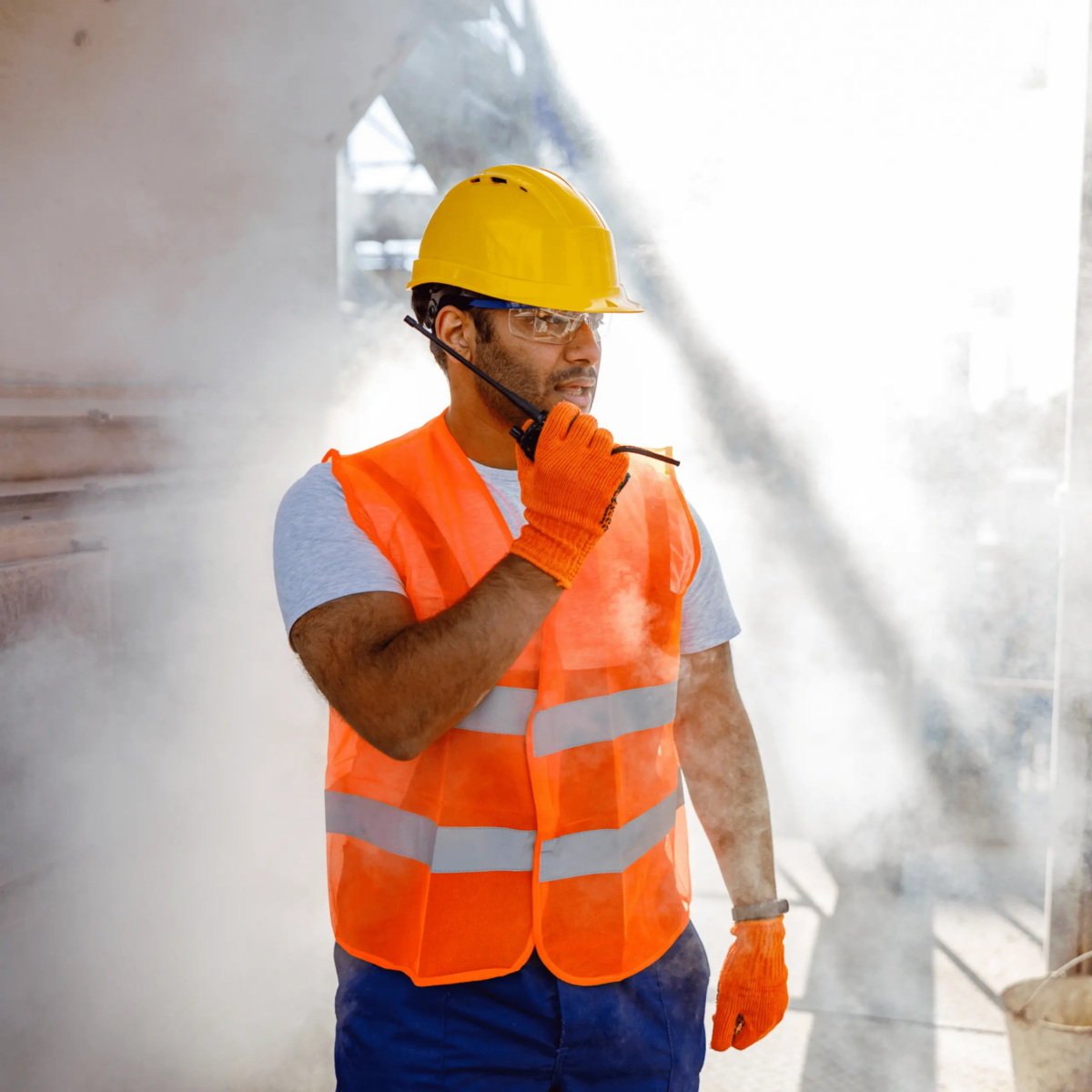
- The best sites used motorised water suppression and face-fit tested FFP3 masks to battle respirable crystalline silica (RCS), known to cause silicosis and lung cancer.
- Carpenters working with noisy cutting saws wore air-fed hoods to stop wood dust—a trigger for asthma—from harming their lungs.
But Many Sites Still Falling Short on Safety
- Too many places lacked on-tool extraction for saws pumping out silica and wood dust.
- Extraction equipment was often poorly maintained, reducing its effectiveness.
- Some workers weren’t given proper respiratory protective equipment (RPE).
- Basic tasks like indoor sweeping were done without any dust control, putting health at risk.
HSE Warns of Fatal Health Risks
Mike Thomas, Acting Head of HSE’s Construction Division, slammed the neglect: “Prolonged dust exposure leads to lung cancer, asthma, COPD, and silicosis. We’ve seen some good practices, but overall, there’s an urgent need to step up.”
He blasted sites ignoring proper planning and dust elimination methods. Skipping pre-cut materials, water suppression, and proper mask use keeps workers in harm’s way.
Legal Duty on Employers and Workers
With UK Construction Week kicking off in Birmingham from October 3-5, the HSE reminds employers of their duty: prevent or control dust risks through clever design, control measures, and properly fitted RPE. Workers must also play their part by wearing and maintaining their protective gear.
More insights from the inspections will be released soon as data gets analysed further. Meanwhile, construction firms must knock dust risks on the head before it’s too late.