Elon Musk Blames Ukraine for X Hack – But Pro-Palestinian Hackers Own Up
Elon Musk has pointed the finger at Ukrainian IP addresses for the massive cyberattack that knocked his social network X offline on Monday. But things took a twist when a known pro-Palestinian hacker group stepped forward to claim responsibility.
X Down for Hours in DDoS Chaos
The social media platform — formerly Twitter — suffered a crippling distributed denial-of-service (DDoS) attack, cutting off millions of users worldwide.
The outage started early Monday morning, with many unable to log in or reload their feeds. By 10am ET, Downdetector logged over 40,000 global complaints.
Technicians battled through flood after flood of fake traffic designed to smash X’s servers into submission. By 5pm ET, engineers had wrestled control back, and the platform returned to near-normal.
Dark Storm Team Claims Credit
Despite Musk’s assertion that the attack came from Ukrainian IP addresses — hinting at possible state-backed sabotage — the hacking collective Dark Storm Team said they were behind the assault.
Cybersecurity firm SpyoSecure confirmed Dark Storm’s admission. The group is infamous for targeting companies linked to Israeli military actions in Gaza, not for partnering with Ukrainian cyber forces. Their claim throws Musk’s accusations into question.
Musk vs. Zelensky: Cyber Fallout Amid Geopolitical Spat
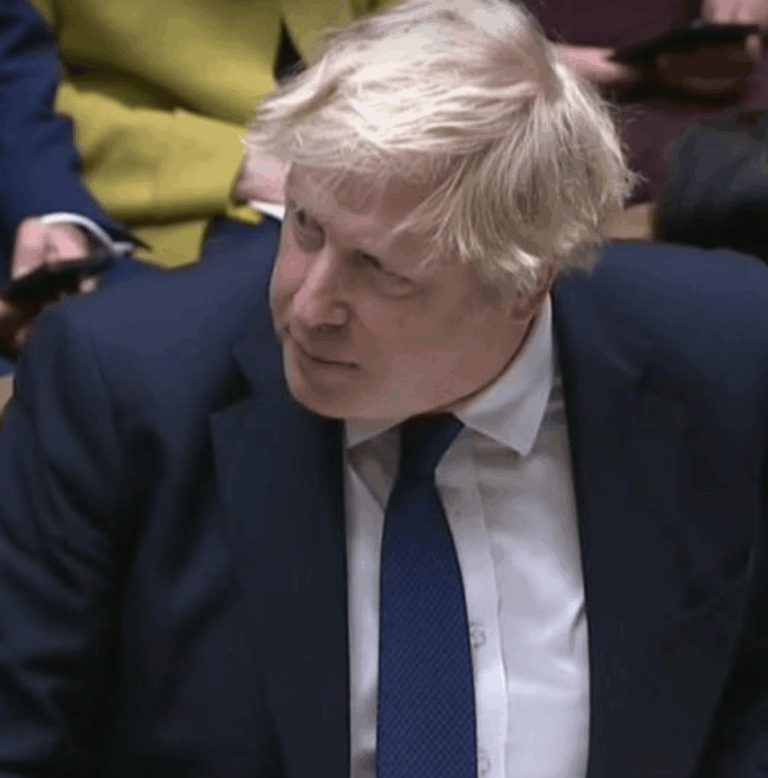
The DDoS attack lands amid growing tensions between Musk and Ukrainian President 1. Last week, Musk slammed Zelensky as “evil” and accused him of pushing a “forever war.”
Musk also boasted that his Starlink satellites were “the backbone of the Ukrainian army,” implying that yanking the service could collapse Ukraine’s front lines. The claim sparked backlash from Polish Foreign Minister Radosław Sikorski, who accused Musk of threatening a war-torn nation. Musk retorted by telling Sikorski to “be quiet” and called him a “small man.”
With the cyberattack hitting just a day after these incendiary comments, speculation is rife that Musk’s fiery stance may have painted a target on X.
Wider US-Ukraine Rift Adds Fuel
Washington and Kyiv’s diplomatic storm is brewing. Earlier this year, a tense Oval Office clash between Donald Trump and Zelensky reportedly ended with the Ukrainian leader booted out amid accusations of warmongering.
Meanwhile, a key US-Ukraine minerals deal fell through, and Biden’s administration has cooled on military support — opening diplomatic channels with Moscow instead.
Zelensky, currently in 1 for talks, aims to patch ties with the US this week and push for peace.
Cyberattacks and Controversies: What’s Next for X?
Musk’s takeover of Twitter, now rebranded as X, has been plagued by technical meltdowns and mounting cyber threats. Monday’s DDoS attack ranks among the biggest disruptions yet, hitting the 600 million monthly users hard.
“Just because an IP address appears to be from a specific country doesn’t mean the attacker is,” warned a cybersecurity analyst. “Sophisticated actors often use proxies to mask their true location.”
Conflicting claims and the sheer scale of the attack suggest this incident could be merely a glimpse of an intensifying war in cyberspace — one where tech giants, global politics, and covert hackers collide.
As the digital dust settles, all eyes will be on X and its security. Is this a one-off hit or a sign that cyber warfare is entering a new, dangerous phase?