Spike in Barn Fires Sparks Alarm for UK Farmers
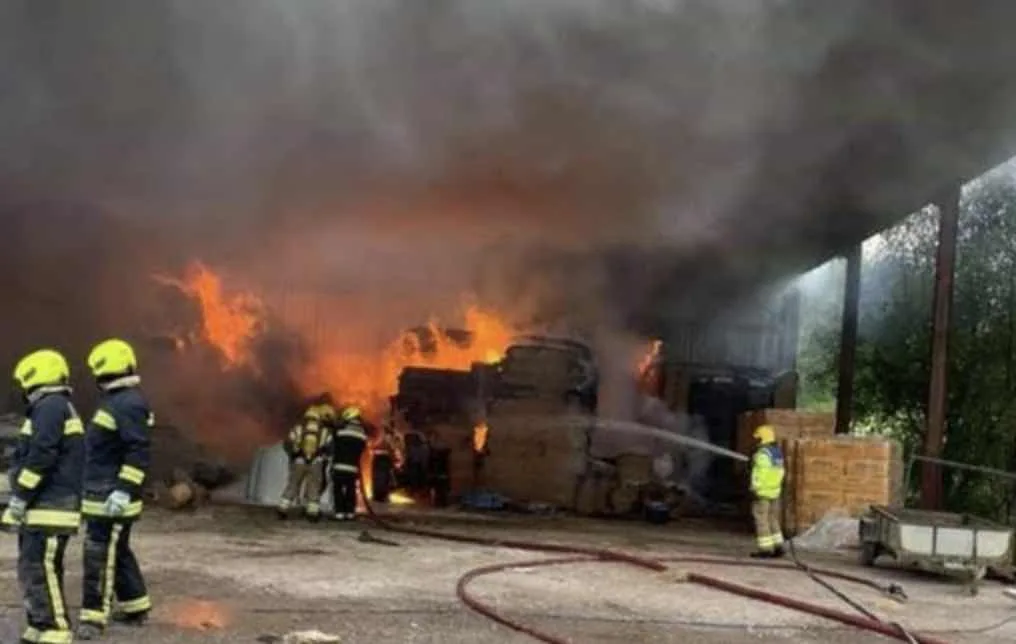
Since July, ten barn fires have ripped through the countryside, many sparked by the dangerous build-up of heat inside damp hay. Recent wet weather has made cutting and storing hay a nightmare, pushing farmers into risky territory and raising the threat of even more blazes.
Why Hay Stacks Are Turning Into Fire Traps
When hay is baled or stored while still wet, moisture levels soar above 22%. This triggers chemical reactions inside the hay that crank up internal temperatures.
Once a haystack hits 55°C, it starts producing flammable gases. If the heat climbs any higher, those gases can ignite and set the barn ablaze.
Wayne Rawlins, Area Manager at Devon and Somerset Fire and Rescue Service, warns:
“We want local farmers to know that it’s important to monitor temperatures in their haystacks, as barn fires can be devastating, and difficult to put out. We know how precious hay stores are to farmers and we want to avoid any fires of this nature if we can.”
Top Tips to Dodge a Hay Fire Disaster
- Remove hay from fields immediately after harvest and make sure it’s bone dry before storing.
- Keep hay and straw stacks at least 10 metres apart from each other, livestock, and flammable materials like fuel or chemicals.
- Maintain safe distances between hay stacks and any electrical roof lighting.
- Hay fires usually strike within six weeks of baling—regularly check and monitor hay temperatures.
- Use a probe thermometer to track the internal heat of your haystacks.
- If hay smells of caramel or has a musty odour, it’s heating up dangerously.
- Once temperatures hit 65°C, you’re in the danger zone. Check daily from this point.
Farmers who stay vigilant could prevent their hay stores from turning into fiery infernos. Don’t risk it—keep those stacks cool and dry!