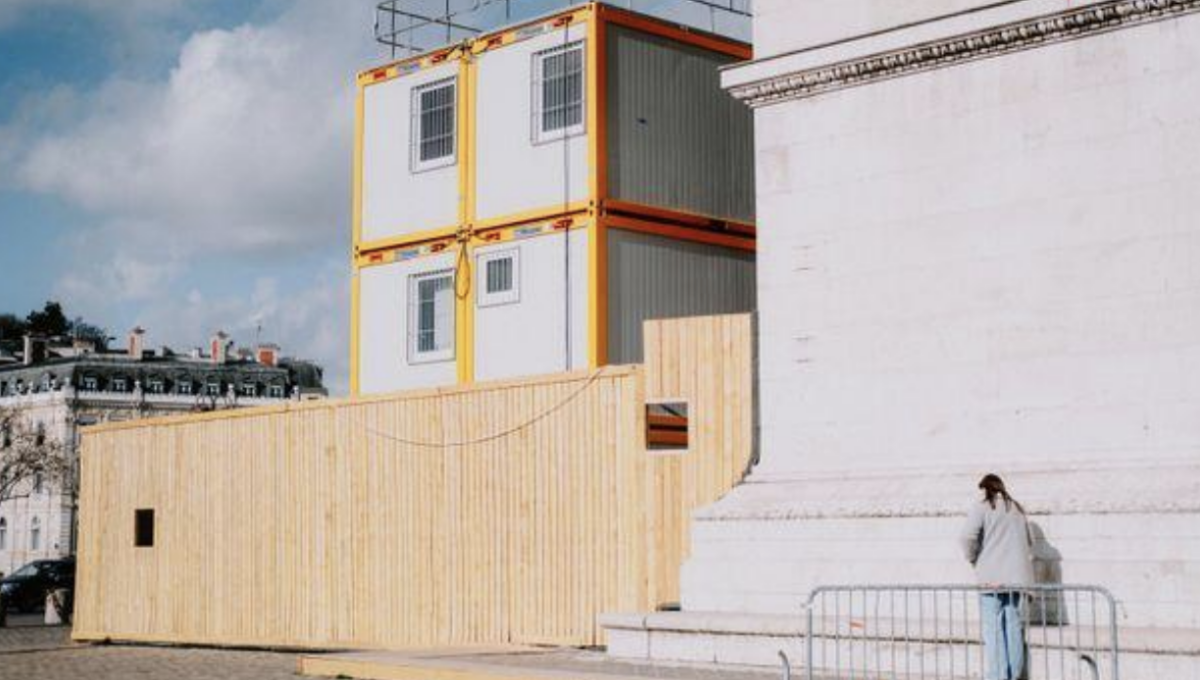
Off-site construction has stopped behaving like a niche trick for impatient contractors and started acting like a serious design instrument. Architects once drew a building, then begged the site to behave.
That bargain always looked shaky, because weather, labour gaps, and supply chaos don’t negotiate. Off-site flips the order of power.
Design begins to think in parts, tolerances, transport routes, lifting points, and repeatable junctions. The discipline forces decisions early, which terrifies some teams and liberates competent ones. The Factory as a Design Studio A factory doesn’t just make components.
It edits architecture. Once a team commits to volumetric units or panelised assemblies, every sloppy detail is exposed under fluorescent lights, measured by someone with a jig and a stopwatch.
That pressure produces better buildings, not smaller imaginations. Standardisation, done well, gives designers grammar, not gags.
One sees it in precast concrete suppliers such as modularcubed.co.uk, where the conversation shifts from vague “bespoke” talk to crisp choices about grids, service zones, and repeatable bathroom cores. Constraint breeds elegance.
A façade stops being a mood and becomes a system. Speed Changes the Client’s Personality Traditional programmes teach clients to tolerate drift. Off-site doesn’t.
When manufacturing starts, indecision turns into scrap, and scrap turns into invoices. That single fact rewires the briefing process.
Clients who once changed their minds weekly suddenly find religion in early sign-off. Architects gain a strange new authority because the schedule backs them up.
A late change stops being a discussion and becomes a risk with a price tag and a delivery hit. Teams prototype earlier.
They model logistics, cranage, and storage like design inputs. A building arrives quicker, and the whole project becomes less theatrical and more accountable. Details Get Smarter, not Fussier Off-site rewards junctions that behave.
It punishes heroic one-off details that look pretty in a render and fail in the rain. That doesn’t mean the architecture turns bland.
It means the intelligence moves into the seams. Airtightness improves because someone can actually test it before the building faces a winter storm.
Acoustic performance sharpens because layers sit where the drawing said they would. The fire strategy becomes clearer when compartmentation aligns with modules and panels rather than fighting them.
The best teams treat services as part of the architecture, not a late invasion. Cities, Carbon, and the Politics of Waste Off-site methods make the waste question impossible to dodge. A messy site hides offcuts in skips and calls it normal.
A factory counts material, time, and errors, then tries to erase them. That feeds directly into carbon, because waste equals embodied emissions with no benefit.
Transport does have impacts, and anyone pretending otherwise is selling snake oil. Yet consolidation often wins.
Fewer deliveries. Shorter site durations.
Less rework. Better airtightness that reduces operational energy.
Streets suffer less disruption when assemblies arrive ready to install. Neighbours hear less banging for fewer months. Conclusion Off-site construction doesn’t remove the need for architectural judgement.
It raises the price of poor judgement. Decisions arrive earlier, and they stick harder.
That reality sorts the profession into two camps. One camp clings to improvisation and calls it craft.
The other camp treats manufacturing as a design partner and learns to draw buildings that assemble with confidence. Faster delivery matters when housing queues stretch and hospitals age.
Cleaner sites matter when cities tighten noise rules, and residents demand dignity. Off-site will keep pushing architecture towards precision, and precision, when handled by serious minds, can look human.