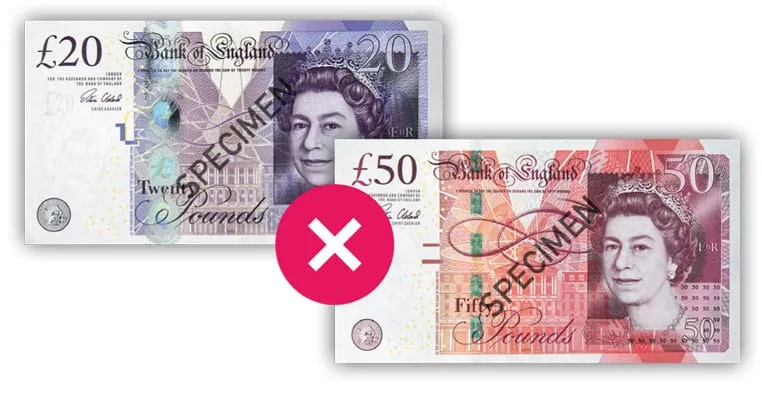
Say Goodbye to Paper Cash: £20 and £50 Notes Go Plastic
Paper £20 and £50 banknotes are being phased out and replaced with slick, tough polymer versions — just like the £5 and £10 notes you already know. These shiny new plastic notes aren’t just harder to fake; they’re way more durable too.
Deadline Alert: Paper Notes Out by September 30
From October 1, shops will no longer accept paper £20 and £50 notes. But don’t panic if you’ve still got some stashed away — anyone with a UK bank account can deposit them at the bank for 100 days beyond the deadline.
- About 163 million paper £50 notes and 314 million paper £20 notes are still out there.
- Paper notes issued by Bank of Scotland, Clydesdale Bank, Royal Bank of Scotland, plus AIB Group, Danske Bank, Ulster Bank in Northern Ireland, and Bank of Ireland, are also being withdrawn.
New Polymer Notes: Built to Last and Tough to Fake
Sarah John, The Bank of England’s chief cashier, said: “Changing our banknotes from paper to polymer has been a crucial move – it makes them harder to counterfeit and they last longer.”
The famous faces are changing too. Old paper £50s show economist Adam Smith, and paper £20s feature Matthew Boulton and James Watt. The new £50 polymer note celebrates codebreaker Alan Turing, launched last year.
Eco-Friendly Cash? Yes, Please!
Made from thin, flexible plastic called polymer, the new notes pack high-tech security features like see-through windows and holograms to foil forgers. Plus, they last two and a half times longer than paper £5 notes.
The Bank of England also highlights environmental benefits. The Carbon Trust confirms that polymer £5 notes have a 16% smaller carbon footprint than their paper counterparts.
So, check your wallets and piggy banks now. Spend or deposit your paper £20 and £50 notes before September 30, or they’ll be worthless in shops!