London’s Ambulance Service Rolls Out High-Tech, Eco-Friendly Vehicles
New Ambulances Designed by Front-Line Crews
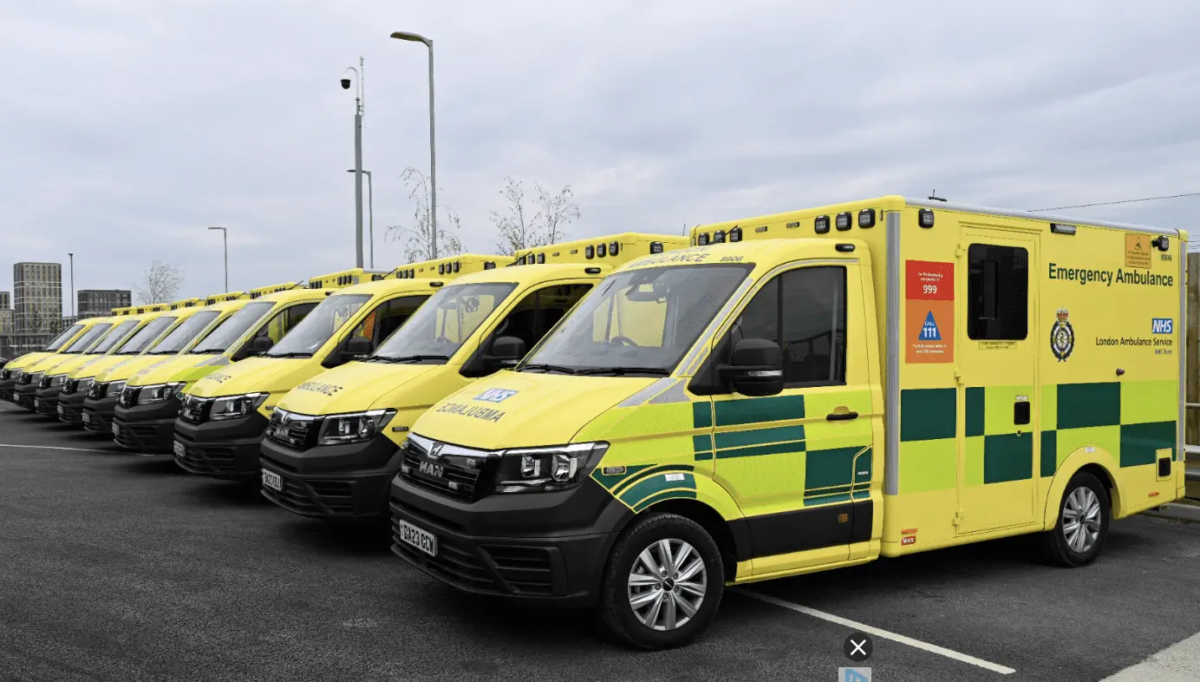
The London Ambulance Service (LAS) is shaking up its fleet with cutting-edge ambulances designed hand-in-hand with paramedics. Over 400 clinicians pitched ideas in a recent LAS survey, shaping vehicles meant to boost safety, accessibility, and efficiency on London’s busy streets.
£156,000 MAN Ambulances Replace Old Fleet
The brand-new £156,000 MAN ambulances will replace ageing models across London. Equipped with motorised stretcher loaders and packed full of tech, these rigs are built to be more accessible for staff and patients alike. Plus, their enhanced energy efficiency supports LAS’s mission to meet the capital’s ultra-low emission zone targets and achieve zero emissions by 2030.
Safety First with Advanced Crew Protection
The ambulances come fitted with a state-of-the-art Crew Safety System. This includes video cameras, panic buttons, and electronic tracking – all designed to keep paramedics safe while they save lives.
We worked with our ambulance crews to design a vehicle that is safe and reliable for both our patients and our people,” said Rob Macintosh, Head of Fleet at London Ambulance Service. “They’re more accessible and use a motorised method to load the stretcher, making life easier for our staff. They’re also more energy-efficient and ready for the future.”
Big Orders and Zero-Emission Dreams
LAS has ordered 11 new MAN ambulances and 112 other models, all compliant with London’s clean air zone rules. These are the first vehicles of their type in England, carefully tested by academics and ambulance experts. Four fully electric ambulances will hit the streets later this year, promising to turbocharge London’s emergency response.
“It’s very exciting to see the delivery of the next generation of ambulances – designed by us – that will help us respond to 999 calls across the capital,” said LAS Chief Executive Daniel Elkeles. “They are better for the environment and will help reduce air pollution, making our personnel and patients safer and more comfortable.”