UK Emergency Alerts: What You Need to Know
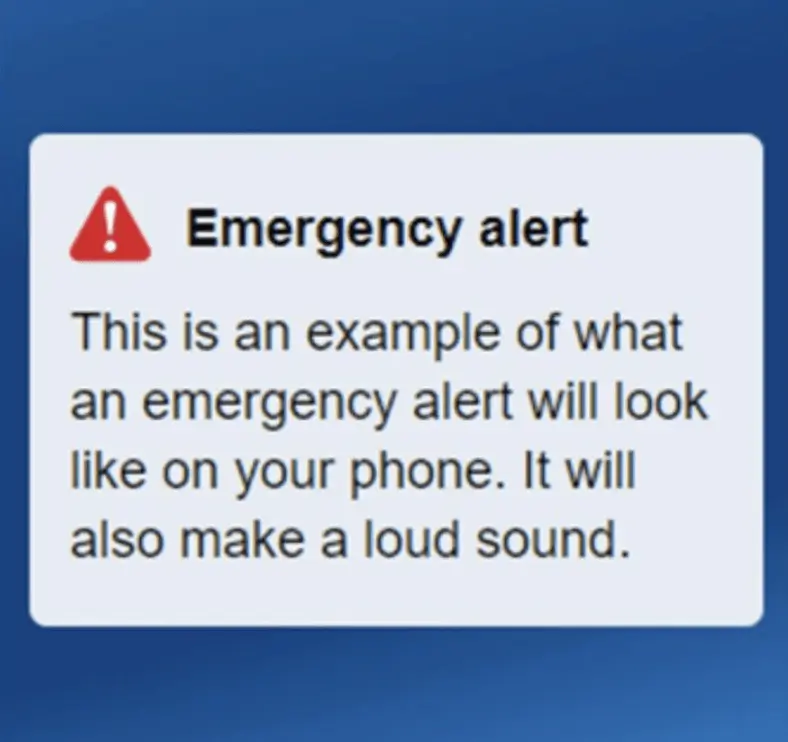
The UK government’s Emergency Alerts service will blast your phone or tablet with warnings if there’s danger nearby. From severe floods to fires and extreme weather, you’ll get the latest advice to stay safe—fast.
How Emergency Alerts Work
- Your device will sound a loud siren-like noise, even if it’s on silent.
- It will vibrate and may read the alert out loud.
- This alarm lasts around 10 seconds, grabbing your attention immediately.
- The alert includes a phone number or a direct link to the GOV.UK website for full details.
Alerts are sent based on your current location—not your home or workplace—and you don’t need to switch on location services to receive them.
Types of Danger That Trigger Alerts
- Severe flooding
- Fires
- Extreme weather conditions
- Public health emergencies
Only trusted sources like emergency services and official government bodies can send these alerts.
What You Must Do When You Get an Alert
Stop what you’re doing and follow the instructions immediately. If you’re driving or riding, find a safe spot to pull over before checking the alert. Got a passenger? Get them to read it for you—using a handheld device behind the wheel is illegal.
Can Everyone Receive Emergency Alerts?
If your device isn’t compatible, don’t worry—emergency services have other ways to warn you of threats. But remember, these alerts won’t replace your local news, radio, TV, or social media updates.
For the deaf, hard of hearing, blind, or partially sighted, visual and audio signals will alert you to emergency messages.
Language & Accessibility
Alerts come in English, but in Wales, they may also be sent in Welsh.
Stay prepared. Learn more at www.gov.uk/alerts.