Kent Police Warn: Don’t Travel Unless Absolutely Necessary Amid Flood Chaos
Kent is drowning in floods with some roads submerged over a foot deep, leaving cars stranded and emergency services stretched to the limit. Kent Police are urging everyone to stay put and stop piling on the pressure by trying to drive through flooded streets.
Flood Havoc Hits Kent: Roads Underwater, M20 Blocked
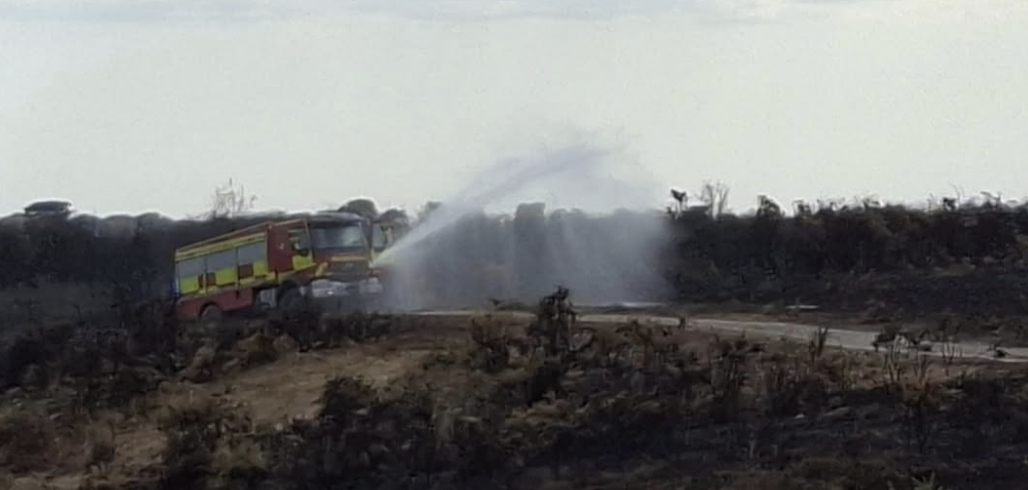
Officers have fielded countless calls about impassable roads across the county, especially around Snodland, North, and West Kent. Kent Fire and Rescue Service (KFRS) confirm they’re swamped with surface water flood emergencies but warn they may not always be able to respond immediately unless lives are at risk.
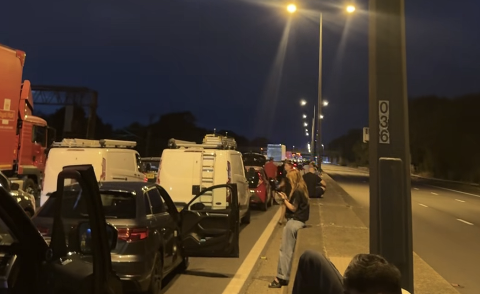
The M20 between Junctions 1 and 2 is a no-go zone after the river burst its banks, flooding all three lanes. Despite warnings, many drivers are ignoring advice to slow down, making dangerous situations worse.
A KFRS spokesperson said: “We don’t automatically send firefighters to every flooding call. An officer will assess the risk first. We can only pump water away if conditions allow without causing harm elsewhere.”
Don’t Risk It: Essential Safety Tips for Flooded Roads
- Never drive through floodwaters — water depth and strength can be deceiving. Your vehicle could be swept away or stall on hidden hazards.
- If there’s a “road closed” sign due to flooding, respect it. The sign isn’t there for show.
- Pull over safely if heavy rain blurs your vision; slippery roads ramp up crash risk.
- Avoid walking in flooded areas — even shallow, fast-moving water can knock you over or hide deadly traps like open drains.
- Only call 999 if there’s immediate danger to life or severe damage. Emergency services are on high alert and prioritising serious cases.
- If water floods your home, switch off your electricity supply immediately to avoid accidents.
- Stay updated via local TV, radio, or Floodline on 0345 988 1188.
- Don’t travel through severe storms unless you absolutely have to.
- Check on vulnerable neighbours, especially the elderly — cold floodwaters can cause hypothermia even in summer.
- Keep a safe list of emergency contacts handy and listen to official flood warnings closely.
- Report sewage leaks to your water company promptly.
After the Flood: What to Do When the Waters Recede
- Contact your insurance company straight away and follow their instructions.
- Take photographs of property damage as evidence for claims.
- Protect yourself from contamination – wear waterproof gear, wellies, and gloves while cleaning up.
- Get all electrical circuits checked and dried by certified engineers before turning power back on.
- Have your gas or oil heating system inspected by a qualified professional.
- Contact your local council about support options like clearing damaged items or sandbags to prevent further flooding.
Meanwhile, the River Darent at Otford has burst its banks, adding to Kent’s soggy nightmare.
In short: Stay home. Stay safe. Don’t let floodwaters catch you out.