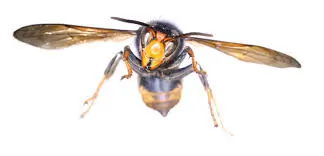
UK on High Alert for Asian Hornet Invasion
Britain faces a buzzing threat from the invasive Asian hornet, recognised by its black abdomen and vivid yellow legs. First spotted in Tetbury, Gloucestershire, back in September 2016, these hornets are making a serious comeback with 51 confirmed sightings in 2023 alone.
Skyrocketing Sightings Spark Alarm
Since the initial 2016 discovery, the UK has logged 74 confirmed Asian hornet sightings. All 69 nesting sites have been swiftly destroyed, but the latest reports from Kent on October 4 have raised fresh concerns about these pests gaining a foothold.
Why Asian Hornets Are a Danger
- They prey heavily on native honey bees, threatening vital UK pollinators.
- Their stings can trigger allergic reactions and aggressive nest defence.
- Climate change is making the UK a more welcoming home for these invaders.
Experts Urge Immediate Action
Francis Russell, the Asian Hornet Strategy Coordinator from Guernsey, warns: “The annual eradication of hornets is the only achievable goal. The threat is universal across Europe.” These hornets spread rapid-fire, moving up to 75 kilometres per year, leaving little time to react.
Faced with ongoing battles in the Channel Islands, UK officials urge the public to report sightings immediately to the GB Non-native Species Secretariat (NNSS). Vigilance is crucial, especially in southern England, Wales, and near major ports.
Know When and Where to Look
Asian hornets are most active from April to November, peaking in August and September before becoming inactive over winter months.
If you spot one, don’t delay – report it to NNSS and help protect Britain’s native bees and ecosystems from this invasive menace.