Modern entertainment sites are no longer simple content libraries. A decade ago, users mostly visited websites to watch, read, play, or listen.
Today, the most successful platforms are built around interaction, personalisation, rewards, community features, live content, and mobile convenience. This shift is visible across the entire digital entertainment economy. Streaming platforms compete with social media.
Esports events compete with traditional sports broadcasts. Mobile games compete with short-form video.
Online communities compete with news feeds. The user’s attention has become the most valuable resource, and every entertainment platform is trying to earn more of it. In this wider context, Odinfortune casino can be seen as one example of how entertainment services are adapting to multi-format digital habits.
The broader trend, however, goes far beyond one brand: modern users increasingly expect online platforms to feel interactive, fast, flexible, and easy to revisit. In the UK, this competition is especially intense. Ofcom’s Online Nation 2025 report shows that UK adults spend around four and a half hours online per day.
Reuters also reported from Ofcom’s data that YouTube reaches 94% of online adults in the UK, with average daily viewing at 51 minutes.
Meanwhile, UKIE reported that the UK video games market reached £8.76 billion in 2025. These figures show why modern entertainment sites have to be more engaging than ever.
Engagement Starts With Participation
The most important change in online entertainment is the move from passive consumption to active participation. Users no longer want only to watch a video, scroll through a page, or open a game. They want to react, comment, vote, compete, unlock rewards, customise experiences, and feel that their actions matter. This is why platforms across different sectors now use interactive mechanics:
- streaming services add live chats, recommendations, and interactive formats
- Social networks rely on comments, reactions, shares, and algorithmic feeds
- fitness apps use streaks, goals, and progress tracking
- gaming sites use rewards, levels, tournaments, and live formats
The principle is the same everywhere: the more a user participates, the stronger the connection becomes.
Streaming Platforms Changed User Expectations
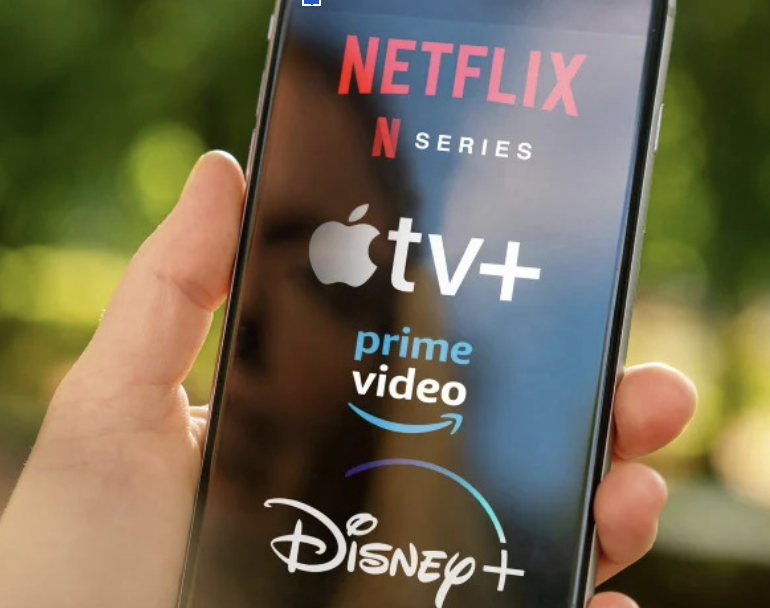
Streaming services had a huge influence on how people evaluate entertainment websites. Users became accustomed to instant access, personalised suggestions, smooth playback, and the ability to continue across multiple devices. Netflix, YouTube, Twitch, and Disney+ are not just content providers.
They shape user expectations across the entire entertainment market. YouTube is especially important because it combines video, community, search, comments, creators, livestreams, Shorts, and recommendations in one ecosystem. That mix helps explain why modern users expect entertainment sites to feel active rather than static. A basic website with a large library is no longer enough.
Users expect guidance, speed, and relevance.
Esports Made Watching More Interactive
Esports is one of the clearest examples of how entertainment has changed. Competitive gaming is not only watched.
It is discussed, clipped, streamed, analysed, bet on, and followed through communities. Games such as Counter-Strike 2, League of Legends, Dota 2, Valorant, and EA Sports FC have created entertainment ecosystems where players, viewers, teams, sponsors, streamers, and fans all interact around the same events. This matters because esports showed that digital audiences enjoy being close to the action.
They want live statistics, chat reactions, commentary, rankings, predictions, and community debates. The same logic now appears in many other entertainment sectors, from live sports coverage to online casino environments and livestream shopping.
Mobile Access Turns Entertainment Into a Habit
One reason modern entertainment sites are so engaging is that they are always available. The Guardian reported from the IPA TouchPoints 2025 survey that adults in Great Britain now spend more time on mobile phones than watching traditional TV for the first time: 3 hours and 21 minutes per day on phones compared with 3 hours and 16 minutes watching TV. That difference may look small, but culturally it is huge.
It means mobile entertainment has moved ahead of one of the most dominant media habits of the last century. Mobile access changes behaviour. Users no longer need to plan entertainment sessions.
They can open a platform during a commute, while waiting for food, between work tasks, during a sports break, or late at night.
Rewards Keep Users Coming Back
Modern entertainment sites are built around return behaviour. The goal is not only to attract a visitor once, but to create reasons to return. That is why reward systems have become so common.
They appear in mobile games, fitness apps, language-learning apps, casino platforms, loyalty programmes, and social media products. Common reward mechanics include:
- daily bonuses or streaks
- loyalty points
- tournaments and rankings
- personalized offers
- limited-time events
- achievement-style progression
These mechanics work because they make the user feel progress.
Even small rewards can make a platform feel more engaging when they are clearly structured and easy to understand. In the gaming sector, features such as a welcome bonus, reload offers, cashback, and free spins follow the same principle: they create recurring moments of interest rather than relying on one-time visits.
Live Formats Create Immediacy
Live content is another reason entertainment sites feel more engaging. A recorded video can be paused and forgotten.
A live event creates urgency. This is why livestreaming, live sports, esports tournaments, Twitch broadcasts, YouTube Live, and live dealer games continue to grow. Live formats make users feel that they are present at a specific moment. The appeal is partly emotional.
People enjoy unpredictability. They like seeing results unfold.
They like reacting alongside others. That is why live roulette, live blackjack, live poker, and live game shows can feel closer to broadcast entertainment than traditional software-based games.
Variety Helps Match Different Moods
People do not use entertainment platforms in only one mood. Sometimes they want something fast.
Sometimes they want something social. Sometimes they want competition, background content, or a more immersive experience. This explains why modern entertainment sites often include multiple categories under one roof.
A single user might watch a football highlight, scroll social media, check esports news, play slots, open a podcast, and later explore sports betting markets. The strongest sites understand that entertainment is situational. They do not force users into one path.
They offer several entry points.
Trust and Usability Matter More Than Flashy Design
Engagement does not come only from excitement. It also comes from comfort. Users return to platforms that feel safe, smooth, and predictable.
Slow loading times, confusing menus, unclear payment rules, and intrusive pop-ups can quickly break engagement. This is true across all digital sectors. A streaming service with poor search loses users.
A social app with too much friction becomes tiring. A gaming platform with unclear payment steps feels uncomfortable. Modern entertainment sites are engaging because they reduce friction.
The best ones help users move naturally from one action to the next without making the technology feel visible.
The Real Reason Modern Sites Hold Attention
Entertainment sites are engaging today because they combine several forces at once: personalisation, rewards, mobile access, live content, community, speed, and variety. The most successful platforms do not simply give users something to consume. They give users something to do, return to, respond to, and personalise. That is the real change in digital entertainment.
Audiences no longer want to sit outside the experience. They want to be inside it, even if only for a few minutes at a time.