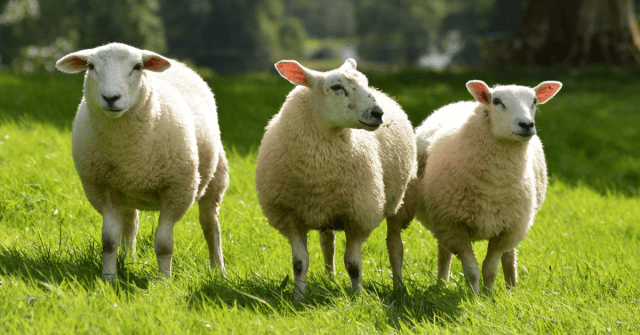
Bluetongue is a disease that primarily affects cattle, sheep, goats, deer, and camelids. It is transmitted by midge bites and can cause reduced milk yield, sickness, and reproductive issues in affected animals. In severe cases, it can lead to death. The disease poses significant economic risks to farmers.
The new control strategy includes:
- Merging and expanding Restricted Zones (RZs): Previous RZs have been combined into a larger zone, covering much of eastern England, from East Riding of Yorkshire to Kent. The expanded zone now includes Lincolnshire, Cambridgeshire, Bedfordshire, Hertfordshire, Greater London, Surrey, and West Sussex.
- Designation of High-Risk counties: East Riding and Lincolnshire have been classified as high-risk, meaning keepers in these areas can access free testing and vaccination under a new general licence.
- Introduction of new vaccines: The Secretary of State has approved the use of three unauthorised BTV-3 vaccines within the UK. These vaccines may reduce clinical signs but do not prevent infection.
Strict movement restrictions are now in place for susceptible animals in the RZs. Animals in these zones cannot be moved without a licence, and movement to designated abattoirs is only allowed under specific conditions.
Christine Middlemiss, UK Chief Veterinary Officer, emphasized the importance of adhering to these restrictions, saying, “We are taking prompt action to mitigate the spread of the disease.” Farmers in control zones are urged to remain vigilant.
Livestock keepers are encouraged to regularly check for bluetongue outbreaks, monitor their animals, and take advantage of free testing. Any suspicion of BTV in animals must be reported to the Animal and Plant Health Agency immediately.