Thousands of Volunteers Uncover Victorian Rainfall Records
The University of Reading’s Rainfall Rescue project launched in March 2020, offering the public a pandemic distraction with a twist. Citizens helped transcribe 130 years of handwritten rainfall data from the Met Office archives. In just 16 days, 16,000 volunteers digitised a whopping 5.2 million observations.
Now, ahead of its two-year anniversary, this freshly transcribed data has been added to the official Met Office national record, pushing rainfall stats all the way back to 1836 — 26 years beyond previous limits.
Historic Weather Records Revealed
- The driest year on record shifts to 1855 with just 786.5mm of rain.
- For many regions, May 2020 was the driest on record – but new data pushes that back to May 1844 for England.
- November and December 1852 were exceptionally wet, with December marking the third wettest month in Cumbria (364.9mm) and November the wettest in southern England, coinciding with the famous Duke of Wellington Floods.
- Unique weather observers, including Norfolk’s ‘Lady Bayning’, recorded rainfall between 1835-1887, even lugging her gauge to London’s social season.
- Rain gauges dotted the country, including one next to Beatrix Potter’s Hilltop Farm in the Lake District.
Scientists Praise Volunteer Effort
Professor Ed Hawkins, project lead and climate scientist at the University of Reading, said: “I am still blown away by the public’s response. What we thought would take months was done in days — some 100 million keystrokes! Thanks to volunteers, we now have detailed rainfall data dating back to 1836, the same year Darwin returned from his voyage and just before Queen Victoria’s reign began.”
“This data isn’t just a history lesson; it gives scientists a clearer picture of changing rainfall patterns and helps improve flood risk understanding amid climate change.”
Dr Mark McCarthy, head of the Met Office’s National Climate Information Centre, added: “The UK’s rainfall record is famously unpredictable, with droughts and floods. Digging into older data helps us better understand how climate change is reshaping those risks.”
Pre-Digital Data Brought to Life
The project tackled 65,000 paper records, covering rainfall from 1677 to 1960 across England and Wales. Each sheet showed monthly rainfall totals spanning a decade. Many were penned in fancy, hard-to-read handwriting, demanding sharp human eyes to decode.
Before this, the Met Office’s rainfall record only went back to 1862. The Rainfall Rescue has now increased the pre-1960 data sixfold and raised the number of contributing rain gauges for 1862 from 19 to over 700.
Eight dedicated volunteers then organised this mountain of data into clear, location-by-location sequences — earning co-authorship on a new Geoscience Data Journal paper.
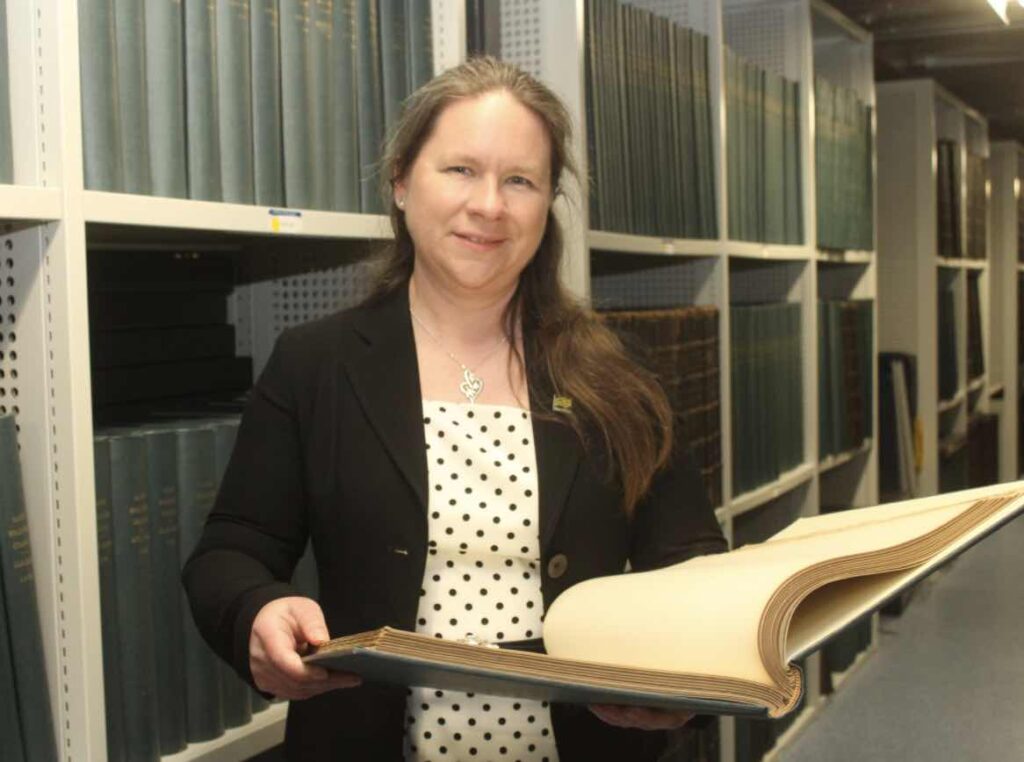
Dr Catherine Ross, Met Office archivist, said: “These 66,000 sheets have been given a second life. No longer just dusty archives, the data is now alive and helping scientists worldwide.”
Volunteer Jacqui Huntley said: “I’m a true British weather fanatic, especially about rain. Living in Scotland means plenty of it! It’s been brilliant learning about the dedicated observers from centuries past. The project has been a fantastic team effort from start to finish.”
The revamped records promise to deepen our understanding of UK weather, climate extremes, and the impact of climate change for decades to come.