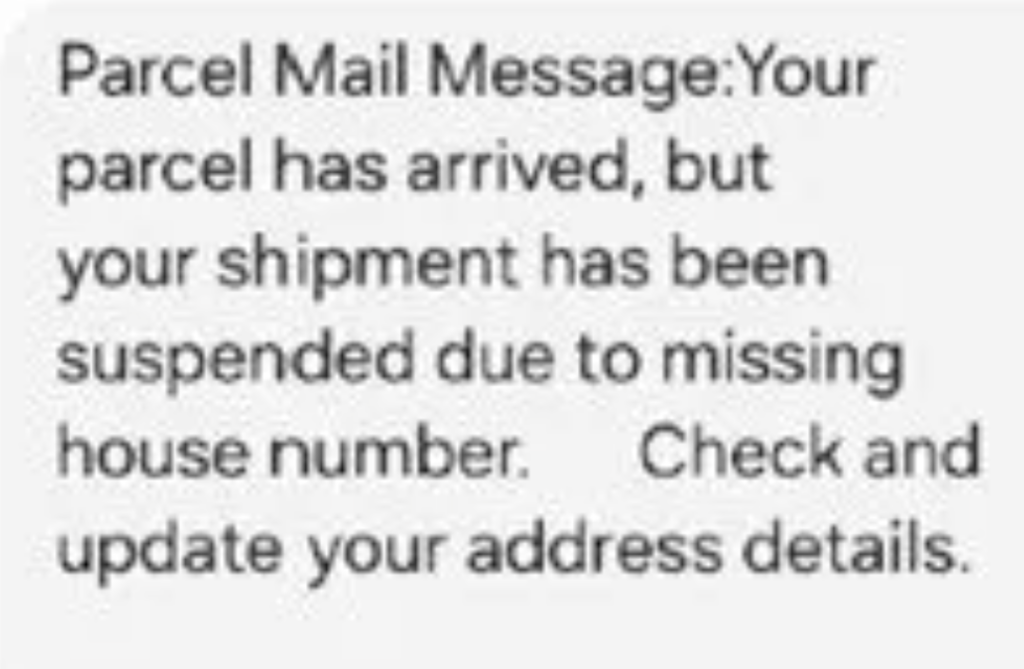
London Hit by SMS Scam Blitz
A ruthless gang has been caught flooding Londoners’ phones with thousands of fake texts. These scam messages impersonate banks, retailers, and mobile firms. Their aim? To trick victims into clicking dodgy links or handing over sensitive personal info.
Top Tips to Outsmart SMS Scammers
UK Finance backs the 1 Campaign, urging the public to stay sharp:
- Stop and think before giving away cash or details—this could save you from being scammed.
- Question unexpected requests; scammers love rushing you into panic.
- Never click on links or attachments from strange texts or emails, no matter how legit they seem.
- Get a trusted second opinion if a message looks suspicious.
- Ignore offers that sound too good to be true—they usually are.
Android users should turn off 2G to block these attacks. iPhone owners can use message filters to weed out unknown senders.
Police Warn: SMS Scams Are Getting Cleverer
“Criminals sending thousands of scam texts from trusted-sounding sources are getting craftier,” said Paul Curtis, Detective Chief Inspector of the Dedicated Card and Payment Crime Unit.
“These texts look genuine but aim to steal your info. If a message pops up unexpectedly, don’t click links or share one-time codes. Scammers rely on urgency—pause before acting.”