British Tourist Busted in Dubai After Filming Iranian Missile Strikes
Londoner Arrested for Capturing Missile Attacks
A 60-year-old British tourist has been detained in Dubai after filming Iranian missile strikes on the city. Snapped up on Monday night, the Londoner was charged under the UAE’s tough cybercrime laws and faces up to two years behind bars.
Authorities claim he deleted the footage when asked, maintaining he had no intention of breaking any laws.
He’s not alone. Around 20 others are facing similar charges for posting videos and social media content tied to recent missile attacks, reveals campaign group Detained in Dubai.
Cybercrime Crackdown Targets Social Media
The official charges accuse suspects of “broadcasting, publishing or circulating rumours or provocative propaganda that could disturb public security.” Conviction could mean two years inside.
Dubai’s authorities have slammed down hard, warning anyone spreading panic online risks jail. Footage of drone and missile strikes is vanishing fast from social media, replaced by a flood of state-approved content.
Dubai Reeling from Missile Strikes and Regional Chaos
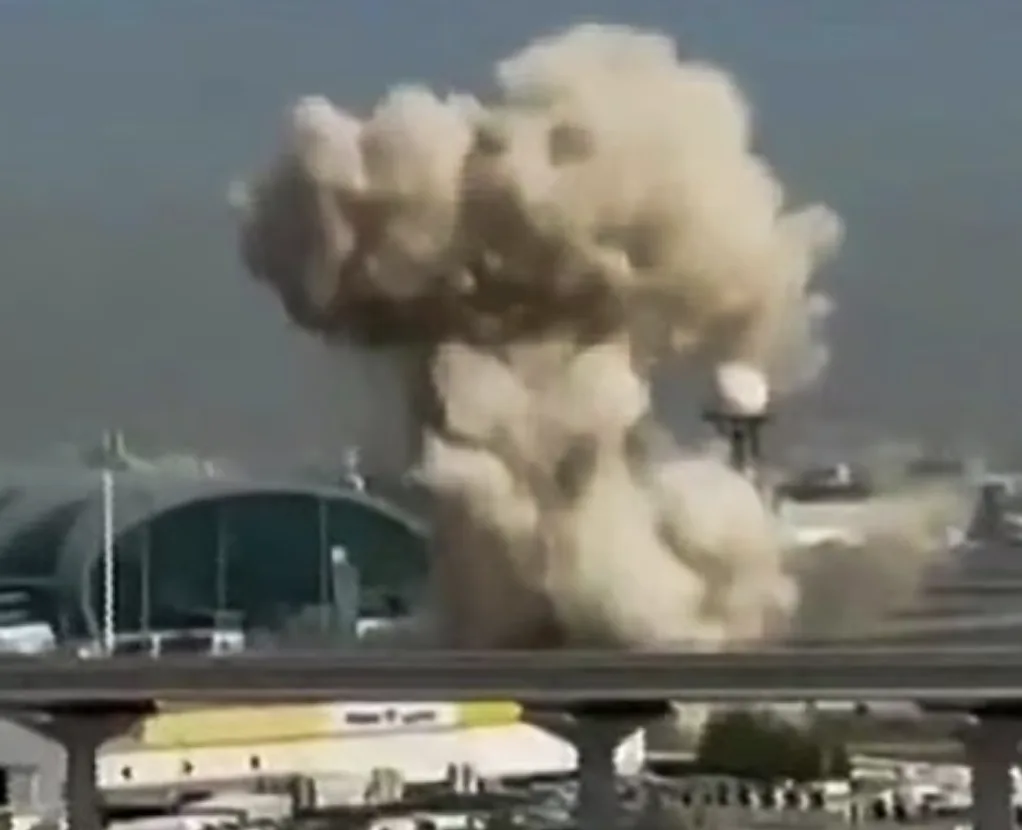
- Dubai International Airport hit multiple times. Four injured in Wednesday’s drone strike.
- Drone attacks have sparked fires and forced hotel evacuations in Creek Harbour.
- Neighbouring Bahrain and Kuwait airports also targeted in recent drone bombardments.
- Oil tankers near Iraq and Dubai’s Jebel Ali port attacked, sending oil prices soaring above $100 a barrel.
- Amid all this, Israel faced its biggest rocket barrage to date, ramping up regional tensions.
Dubai’s Glittering Facade Cracks as Influencers Join State Messaging
Once a magnet for Brits and influencers, Dubai’s glittering, tax-free image is shattering under the relentless rocket fire. Locals warn the city “is finished” as fear spreads.
Pro-government posts praising ruler Sheikh Mohammed bin Rashid Al Maktoum are flooding social channels. Influencers appear to be pushing near-identical videos, hinting at a paid campaign to portray calm amid crisis.
Radha Stirling, CEO of Detained in Dubai, warns: “Under UAE cybercrime laws, one post can lead to many arrests. Those charged could face lengthy prison sentences or be detained indefinitely. Extreme caution is advised.”
Heavy Penalties Fuel Self-Censorship
Criticising or insulting the UAE government now risks £200,000 fines, five-year jail terms, or deportation. Property owners face even harsher punishments.
The crackdown has silenced many influencers who swapped initial missile strike footage for state-approved messages praising safety and loyalty.
Ongoing Fallout: Lives Lost, Expats Flee
So far, four people have died in the attacks. Tens of thousands of residents are fleeing the emirate amid growing terror.
Despite the threats, Dubai warns locals and expats against posting missile strike videos, desperate to preserve its image and retain its expat majority—which makes up 90% of the city’s population.
Officials have launched a PR campaign claiming the “big booms” are proof of effective air defences protecting everyone.