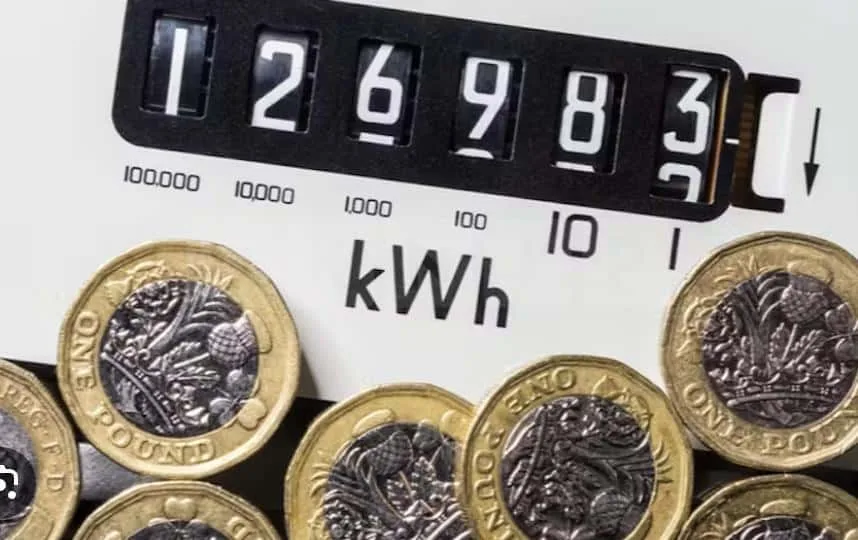
Millions of UK households could breathe easier this summer as energy bills are set to tumble. Energy consultancy Cornwall Insight predicts a big 9% drop in Ofgem’s energy price cap from July, slashing the average yearly bill by £166 to £1,683.
This welcome fall is thanks to a mix of geopolitical shake-ups and seasonal shifts — including the impact of US President Donald Trump’s trade tariffs and an unusually warm spell cooling energy demand.
Why Energy Prices Are Dropping
Cornwall Insight’s Principal Consultant Craig Lowrey says global gas prices have taken a nosedive due to fears of slower worldwide economic growth sparked by fresh US tariffs.
“The tariffs have sparked fears of weaker economic growth across the globe, which means less demand for oil and gas,” said Mr Lowrey.
Throw in the UK and Europe’s unseasonably warm weather, and gas usage has dipped, easing pressure on wholesale prices even more.
But beware — Mr Lowrey warns market turbulence isn’t over yet, with global politics still unpredictable.
“We mustn’t get ahead of ourselves. The very fact the market dropped so quickly shows how vulnerable it is to geopolitical and market shifts,” he added.
Ofgem Set To Confirm New Price Cap In May
The energy price cap, reviewed every three months by Ofgem, will be officially updated on 27 May for the July-September period.
Introduced in January 2019, the cap limits the maximum unit price suppliers can charge on standard and default tariffs. However, it doesn’t cap your total bill – so higher energy users will still see bigger bills.
Even with this July drop to £1,683, bills are still sky-high compared to pre-crisis levels. Back in April 2021, the cap was £1,138 – over £500 less than now.
Long-Term Fix: Renewables to the Rescue
The UK government is pushing hard for renewable energy investments, aiming for 95% clean electricity by 2030. Experts at Cornwall Insight say this green shift is vital to steady future bills.
“The only real way to protect households from this constant cycle of instability is to reduce our dependence on international wholesale markets,” said Mr Lowrey.“That means focusing on growing low-carbon energy generation here in Great Britain.”
What Is the Energy Price Cap?
The energy price cap doesn’t put a limit on your full bill. Instead, it sets the highest price suppliers can charge per unit of gas or electricity. Your total bill depends on how much energy you use. This cap applies to standard and default variable tariffs, which cover most UK homes.