Speeding Dodger Caught Using Fake Driver to Escape Fines
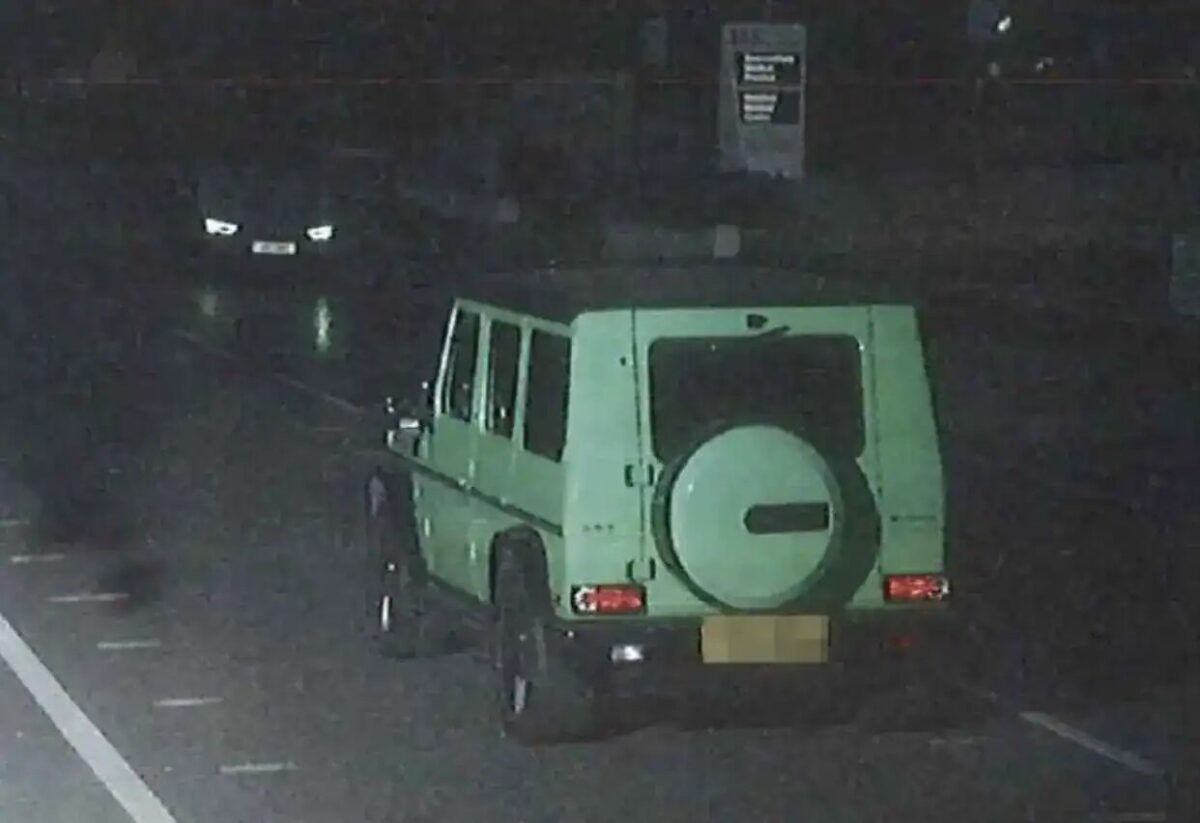
Saado El-Yassir, a 52-year-old electrician from London, tried to pin his speeding offence on a phantom driver caught by a Preston Road speed camera back in July 2019. The green Mercedes registered to him was clocked doing 38 mph in a 30 mph zone.
After ignoring two official notices asking for the driver’s identity, El-Yassir pointed the finger at a man from Brent. But police searches hit a dead end – no such person existed.
Ghost Licence Scam Uncovered
Officers dug deeper and discovered the fake driver’s licence was a “ghost licence” repeatedly used to dodge penalty points and fines for various traffic crimes. Multiple nominations had been made using the same licence.
El-Yassir denied the charges at a magistrates’ court in January 2020. However, he was found guilty and slapped with a £660 fine, £85 costs, and a £66 victim surcharge.
El-Yassir’s Lies Catch Up With Him
El-Yassir appealed but skipped the hearing, so his conviction stood. Police questioned him about the handwriting on the nomination forms. He claimed a “garage” filled them in but refused to say which one or who at the garage helped him.
The Crown Prosecution Service charged him with perverting the course of justice. On April 13, he was found guilty at Chichester Crown Court.
On May 26, El-Yassir was sentenced to six weeks in prison and ordered to pay a £122 victim surcharge.
Message From Police: Cheat The System, Face Prison
“El-Yassir was clearly using false details in order to avoid prosecution,” said investigating officer Christopher Raynor.
“The original offence was speeding at 38 mph in a 30 mph zone. It would have resulted in six penalty points and a fixed penalty notice on his licence.”
“Instead, he tried to cover up with a ghost licence.”
“This sentence shows those who try to deceive the police and courts will be caught and punished.”
Operation Pinocchio Cracks Down on False Nominations
El-Yassir’s conviction is part of Sussex Police’s Operation Pinocchio, launched in 2016. The operation aims to:
- Improve road safety by tracking and prosecuting offenders who supply false driver details.
- Protect law-abiding motorists from accidentally committing serious offences by unknowingly covering for repeat offenders.