Drug Crew’s £53m Cocaine Conviction Stands Despite New Evidence!
Five men locked up for up to 24 years over a massive £53 million drug smuggling plot have had their appeal crushed – even after fresh scientific evidence blew holes in the prosecution’s story.
Fresh Evidence Slams Prosecution Story ‘Impossible’
Nearly four years on, the Criminal Cases Review Commission (CCRC) has slammed the door on these men’s hopes of a Court of Appeal review. The CCRC rejected expert analysis proving the fishing boat, the Galwad-y-mor, never reached the spot where cocaine-packed bags were allegedly picked up in the English Channel.
Even a retired senior anti-drug investigator found “serious discrepancies” in police surveillance records, but the CCRC waved this off. Despite the new forensic and navigational evidence, they refused to back any further appeal, saying there was no “real possibility” the convictions would be overturned.
Prosecution’s Tale Under Fire
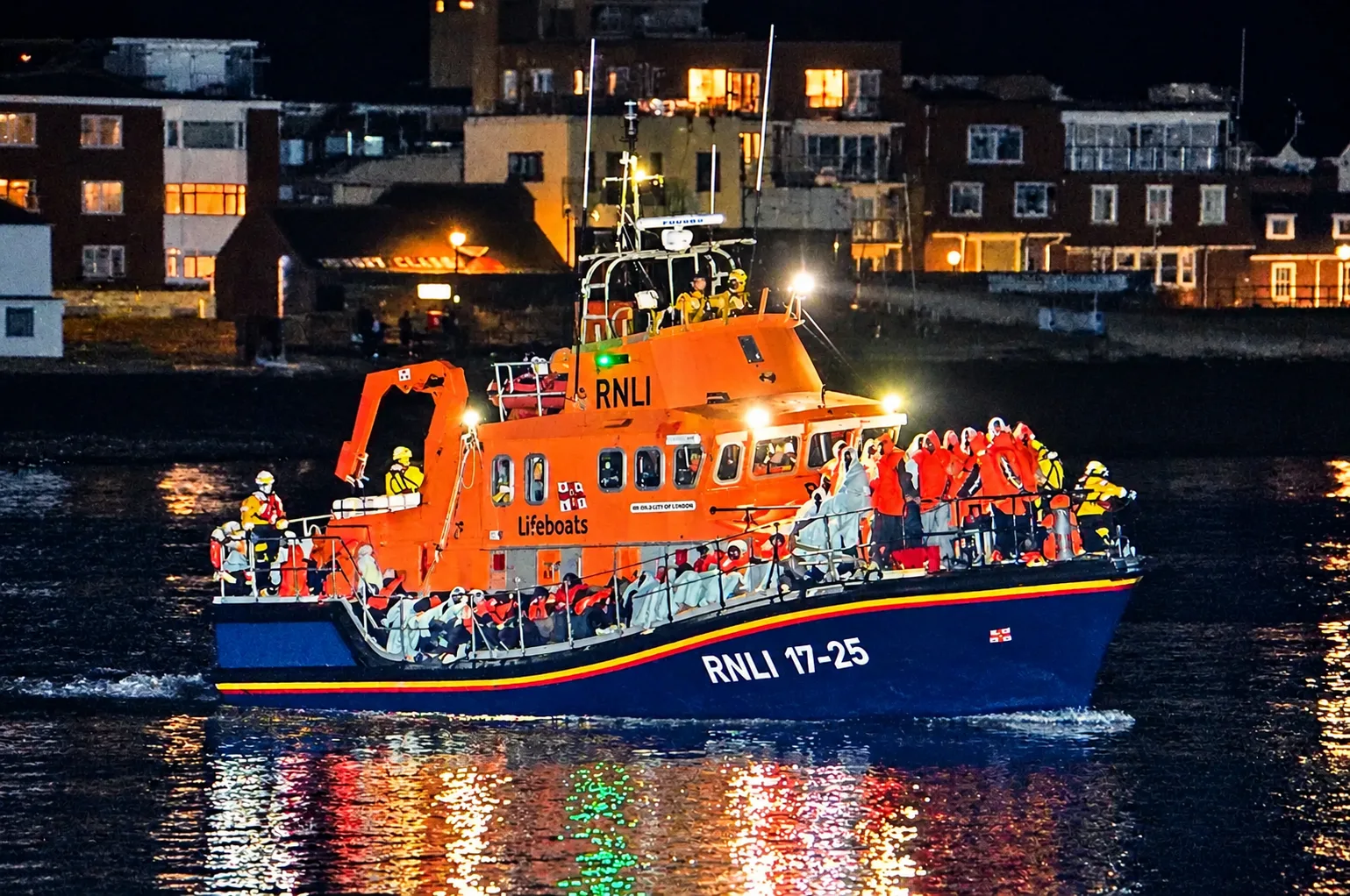
- The prosecution claimed the Galwad-y-mor braved a Force 8 gale on May 29, 2010, to scoop up 12 rucksacks containing 560lb of cocaine thrown from a Brazilian container ship, the Oriane.
- Green, the boat’s owner, and his crew were said to have retrieved the bags in pitch darkness with 30ft waves — then dumped them back in shallower waters near the Isle of Wight the next day for collection.
However, a leading marine GPS expert hired by the defence found the two boats’ paths never came closer than 175 metres—too far for the rendezvous to have happened. The evidence shows the area where the cocaine bags were found was too shallow for the Galwad-y-mor to have sailed to, undermining the prosecution’s timeline.
Defence solicitor Emily Bolton slammed the CCRC’s refusal to act, calling their decision “baffling and perverse” and accusing them of misunderstanding crucial technical evidence.
CCRC Rejects Independent Science and Witness Reports
The CCRC leaned on expert Mik Chinnery’s trial testimony that picking up the bags would have been “impossible,” arguing the jury already knew the challenge but still convicted. Yet Chinnery only discussed the difficulty of retrieving bags from rough seas – not the boat’s course, contradicting the new GPS findings.
Commissioner David Smith dismissed a report from Plymouth Marine Laboratory showing Channel currents would have pushed cocaine bags away from the Galwad-y-mor. He insisted, “if the Galwad was in the vicinity… it’s possible she picked up the drugs.”
The CCRC also rejected concerns about shallow waters, claiming uncertainty over whether the bags’ anchors could have kept them stationary. They refused to run their own tests or get more independent advice, despite gaps flagged in surveillance records by retired anti-drugs officer Don Dewar.
Campaigners Demand Justice as Appeal Chances Dry Up
The decision sparks fresh worries about the CCRC’s plummeting referral rate, down from over 3% five years ago to just 0.7% last year amid budget cuts.
Emily Bolton vowed to take the fight further with a judicial review, promising to keep battling for the men she calls the victims of “a potential miscarriage of justice.”