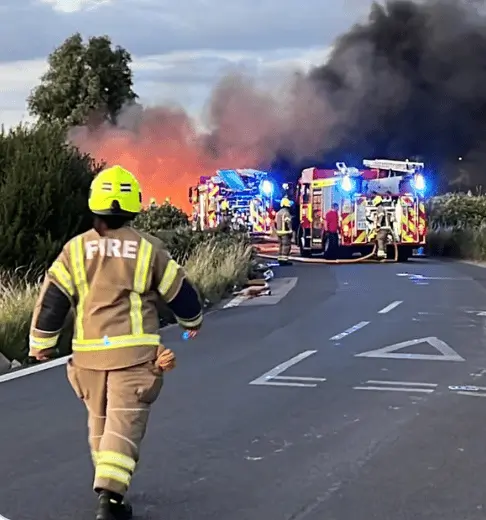
Firefighters Face Tougher Background Checks to Tackle Bullying and Boost Safety
Fire and rescue crews across the UK are set for stricter criminal record checks under new government plans aimed at raising standards and protecting both staff and the public.
From Basic to Standard Criminal Checks
Until now, fire service employees only got basic Disclosure and Barring Service (DBS) checks, which reveal unspent convictions and cautions. But new legislation introduced on 24 April 2023 proposes all staff will now undergo more detailed standard DBS checks.
These standard checks dig deeper, uncovering spent convictions, cautions, reprimands, and final warnings, giving fire chiefs a clearer picture of potential risks.
Crackdown Follows Worrying Reports
The move follows damning findings from His Majesty’s Inspectorate of Constabulary and Fire and Rescue Services (HMICFRS), alongside an independent review by London Fire Brigade, revealing troubling issues like bullying, harassment, and discrimination within fire services.
Fire Minister Chris Philp said:
“Fire reform is urgently needed, and this is a step in the right direction to help raise overall standards and ensure the integrity of fire and rescue services.
We want to see a service where everyone is welcome and treated with respect.
Stringent criminal record checks will help ensure staff and the public are better protected and is an important part of the change that now needs to happen.”
New Guidance and Wider Reform Underway
The government is backing the changes with fresh guidance from the National Fire Chiefs Council (NFCC), working alongside the DBS to ensure the new checks are properly applied. The NFCC will soon consult on the recommended procedures.
This crackdown is just one part of a wider drive to overhaul fire and rescue standards. Previous measures include funding the first ever fire culture conference, commissioning inspectorate reports, supporting an ethics code, and investing in safeguarding training.
With tougher checks and culture reforms, the fire services aim to become safer, fairer, and more professional for all.