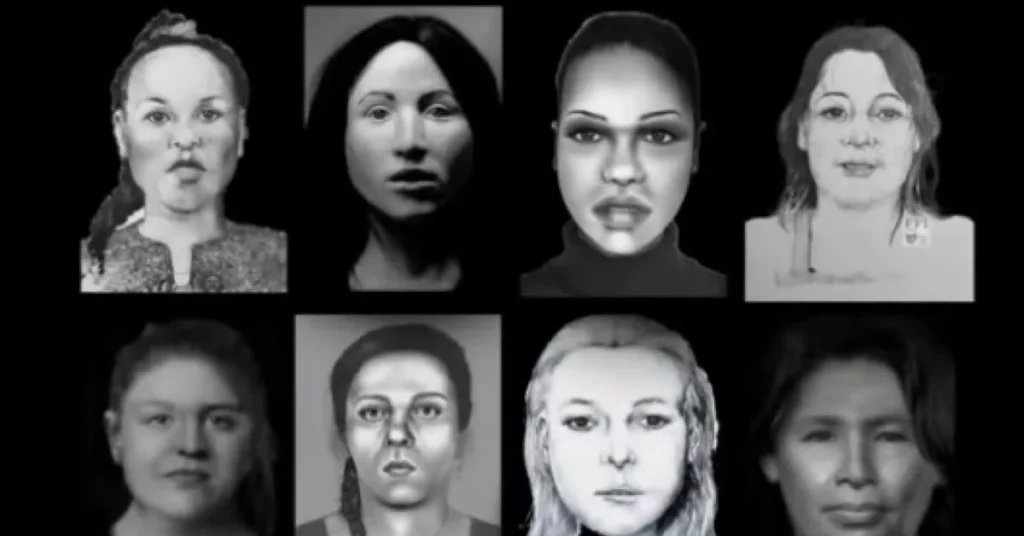
Bodies found across Europe over four decades are now the focus of a major cold case probe. The victims, discovered in three countries from 1976 to 2019, are believed to have suffered violent deaths, with some enduring horrific abuse or starvation beforehand.
Bodies Left Across Borders to Confuse Police
Police from the Netherlands warned the victims’ origins might not match where their bodies were found. Carina van Leeuwen and Martin de Wit revealed that the killers may have dumped the bodies in foreign countries deliberately to hamper investigations.
Victim ID Key to Cracking Cases
Belgian officer Carolien Opdecam stressed that identifying victims is crucial. “Knowing who they are often unlocks the mysteries of their deaths,” she said. Many victims could hail from Eastern Europe, and their IDs could supply vital clues to nab the murderers.
Interpol Joins Hunt with High-Tech Forensics
German cop Anja Allendorf pointed out that naming victims has already helped solve cases, like the burned man found in Altena-Bergfeld woods and the young woman in a bag from Amsterdam’s IJ River.
Interpol has stepped in, releasing facial reconstructions and images of jewellery and clothes found on the victims. Physical details – age, hair and eye colour – are shared globally to boost chances of ID.
Interpol DNA Unit chief hailed the use of “Black Notices” to spark international police cooperation. Advances in forensic tech mean cold cases are cracking open after years, giving grieving families answers and catching criminals.
Operation Identify Me Hopes to End Long Cold Cases
With Belgian, German, and Dutch police teaming up alongside Interpol, Operation Identify Me aims to finally shed light on these chilling unsolved murders. Public help is being called for to crack these decades-old crimes and bring justice to victims’ families.