Young Kenyan Man Dies After Tear Gas Attack During Tax Protests
A 21-year-old man has died after being hit by a tear gas canister during anti-tax hike protests in Kenya. Human rights officials and the victim’s family confirmed the tragic death on Saturday. This marks the second fatality linked to the youth-led demonstrations against President William Ruto’s controversial economic policies.
Protests Erupt Over Rising Living Costs
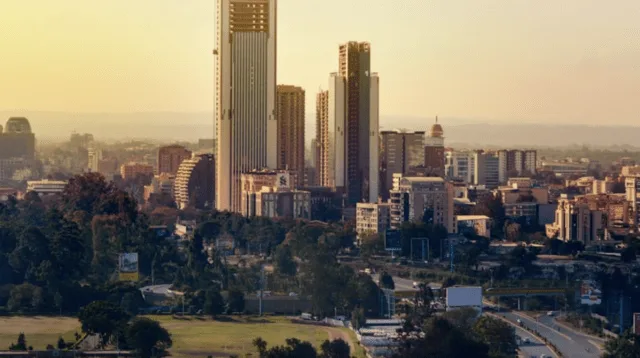
The demonstrations, mainly driven by Gen-Z Kenyans and fuelled by relentless livestream coverage, reflect widespread anger over soaring living costs. On Thursday, thousands marched through Nairobi, the capital, demanding relief. While most of the protests were peaceful, police fired tear gas and water cannons to break up crowds near parliament.
“He was rushed to the hospital around 18:00 (15:00 GMT) on Thursday…and died there,” said Ernest Cornel, spokesperson for the Kenya Human Rights Commission. “It is tragic that a young person can lose his life simply for agitating against the high cost of living.”
Evans Kiratu was struck by a tear gas canister during the chaos and later died in hospital. His death comes just one day before another fatal incident, where police allegedly shot a 29-year-old man in Nairobi. The incident is now under police investigation.
More Than 200 Injured as Protests Sweep Kenya
Amnesty International Kenya reports that over 200 people were injured during Thursday’s protests in Nairobi alone. The unrest quickly spread nationwide, with calls for a nationwide strike scheduled for June 25.
Government Attempts to Calm Fury — But Fight Goes On
Under mounting pressure, the cash-strapped Kenyan government reversed several unpopular tax hikes outlined in a new bill. Levies on essentials like bread, car ownership, and financial services were scrapped.
However, President Ruto’s administration insists some tax increases are essential to slash Kenya’s ballooning budget deficit and reduce reliance on foreign borrowing.
The original tax plan aimed to raise 346.7 billion shillings ($2.7 billion) to cut the budget gap from 5.7% to 3.3% of GDP. With the recent rollbacks, the treasury warns of a shortfall near 200 billion shillings ($1.5 billion).
To plug the gap, the government is eyeing hikes on fuel prices and export taxes — a move critics say would squeeze ordinary Kenyans already battling soaring inflation.