Warning: Scammers Target Low-Income Families with Fake Cost of Living Payments
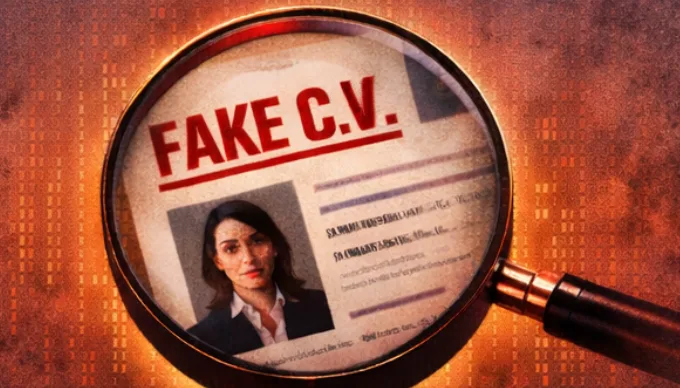
Low-income households and DWP benefit claimants are being hit by a fresh wave of scams. Crooks are sending fake messages promising big payouts like £900 and £1,739 in “cost of living payments.” Others tout bogus “hardship allowances” and “winter heating subsidies,” preying on those desperate for financial help.
Fake Texts Claiming ‘UK Government Living Allowance’ Flood Phones
UKNIP has been flooded with reports from people receiving texts claiming to offer “UK Government Living Allowance” payments. But beware — these are complete scams. Recipients are urged not to reply or share any personal info.
DWP Clamps Down: No More Cost of Living Payments After £299 Instalment
The Department for Work and Pensions has confirmed there are no plans to issue further cost of living payments beyond the final £299 instalment paid in early 2024. Right now, support is only available via the £421 million Household Support Fund, distributed by local councils — and crucially, no government payments are sent through unsolicited texts or calls.
How to Spot a Scam – And What To Do
- Watch out for odd details like payments quoted in euros – that’s a sure giveaway.
- Never respond to unexpected messages or apps like the fake “Universal Credit UK” targeting benefit claimants.
- Report suspicious texts by forwarding them to 7726, as advised by the National Cyber Security Centre.
The DWP and Citizens Advice warn: “Do not engage with unsolicited messages and report fraud immediately.”
Stay sharp and don’t fall for these dodgy scams claiming to ease the cost of living crunch.