In the world of incident reports and emergency coverage, few themes recur as often as the sudden arrival of good fortune amid chaos. These brief windows where events could go either way create the same edge-of-the-seat feeling that draws people toward non gamstop casinos for their leisure time.
The guiding idea here is simple: chance rarely announces itself, yet it quietly decides outcomes in ways that stay with us long after the moment passes. Every day life throws up countless examples where a single twist alters everything, from minor delays on the way to work to life-changing events discussed for years afterwards.
Observers often note how these moments feel both random and strangely inevitable, leaving those involved with a mixture of relief and wonder.
Everyday Roadside Surprises
Drivers often share stories of split-second decisions that prevent collisions on busy motorways. One minute, traffic flows normally, the next a lorry swerves and everything hinges on a single glance in the mirror.
Such accounts remind readers how ordinary journeys can flip into tales of relief rather than regret. These narrow escapes rarely involve planning; instead, they rest on timing that no one can predict in advance.
Motorists frequently describe the eerie silence that follows, as if the road itself pauses to acknowledge what might have happened. Families later recount how a child in the back seat asked an innocent question that distracted the driver just enough to avoid danger.
Over time, these tales accumulate, forming a quiet folklore of the highways where timing and awareness prove more valuable than any safety feature.
Aviation Near Misses and Quick Thinking
Aircraft incidents provide some of the clearest examples of how a few metres or seconds alter entire flight paths. Reports describe situations where crews react instinctively, turning potential disasters into routine landings.
One widely discussed case appears in recent near miss reports involving military and civilian planes over international waters. The details highlight how human judgement and pure circumstance combine when altitude and speed leave little room for error.
Pilots often speak afterwards of the strange calm that settles once the immediate threat passes, allowing them to complete checklists with renewed focus. Passengers may remain unaware until much later, learning only through news reports how close their journey came to a different conclusion.
These episodes underscore the constant vigilance required in crowded skies.
Wartime Survival Stories
Conflict zones produce countless records of individuals whose paths crossed danger yet ended safely. A well-known example comes from detailed personal narratives shared by those who lived through air raids and sudden evacuations.
In one account, a man named Joe Wright escaped injury when debris fell in a pattern that left his shelter untouched. Such stories illustrate the guiding idea that fortune operates without regard for rank or preparation.
Veterans returning home often carried these memories quietly, only sharing them decades later when grandchildren asked about old photographs. The randomness of survival created bonds among survivors that lasted lifetimes.
Historians continue to collect these testimonies because they reveal how ordinary people navigated extraordinary pressure without any guarantee of safety.
How People Discuss Fortune
Conversations about these events often drift toward larger questions of why some walk away unharmed while others do not. Academic explorations of fortune trace the idea back through centuries of literature and philosophy, showing how different cultures have tried to explain random good outcomes.
These discussions rarely settle on one answer, yet they help frame why incident coverage continues to fascinate readers who look for patterns in the unpredictable. Researchers examining psychological responses to chance note that people tend to remember the narrow escapes more vividly than the uneventful days surrounding them.
Modern podcasts and articles revisit these themes regularly, inviting listeners to consider their own brushes with unexpected turns of events.
Leisure Choices After Close Calls
After reading or living through such episodes, many seek ways to unwind that recapture a milder version of the same tension. Some turn to films or books that replay dramatic turns, while others explore digital entertainment that offers controlled doses of the unexpected.
The thread running through these choices remains the appeal of outcomes that feel fresh each time. Viewers often choose stories set in high-stakes environments because they mirror the adrenaline of real moments without the lasting consequences.
Weekend hobbies such as puzzle solving or strategy games provide similar mental engagement, allowing participants to test their instincts in safe surroundings.
Media Coverage Patterns
Newsrooms tend to highlight the human element when reporting accidents, focusing on the moment luck changed the ending. Headlines often use phrases such as “miraculous escape” because they reflect genuine reactions from those involved.
This approach keeps the narrative grounded in real experience rather than abstract analysis. Editors balance dramatic language with factual detail, knowing audiences respond most strongly to personal testimony.
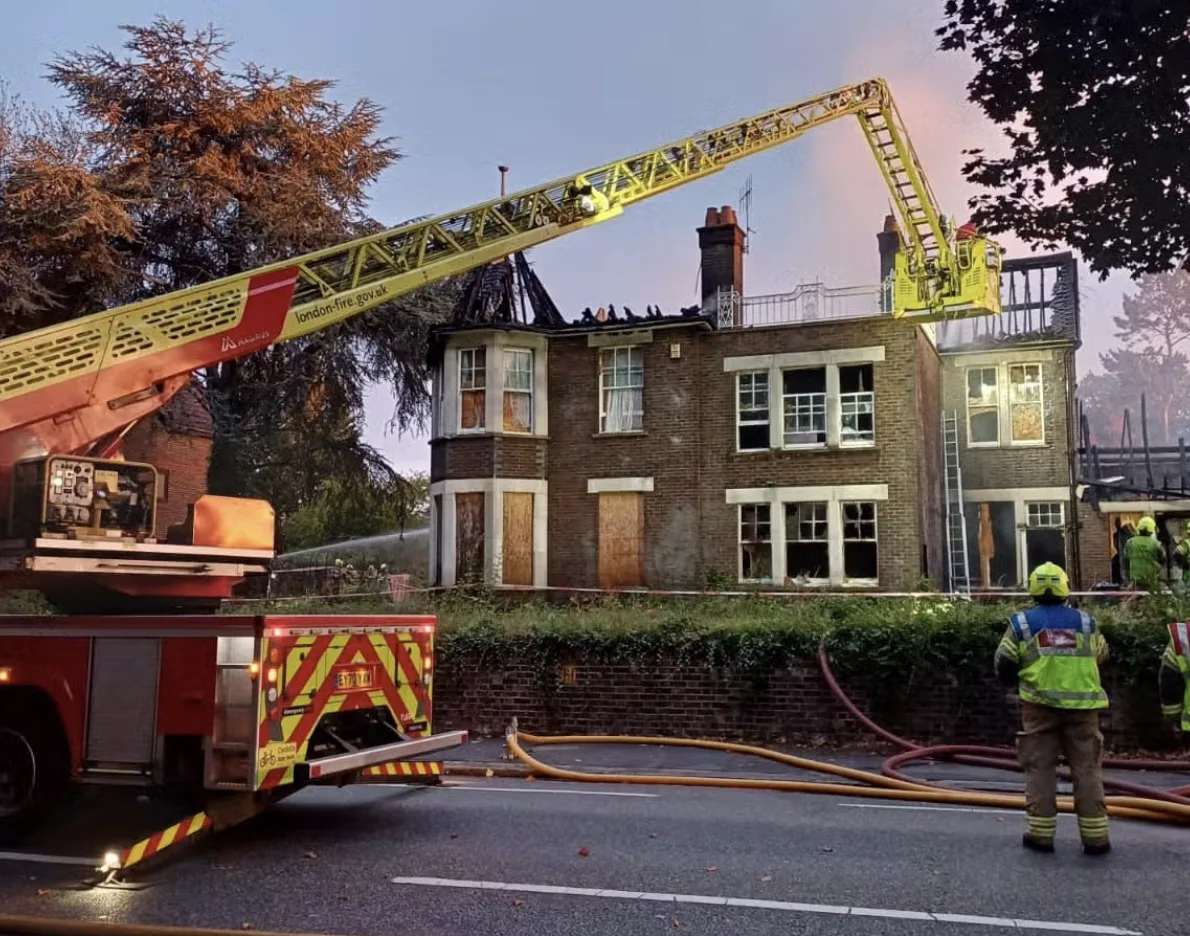
Photographs accompanying these pieces frequently capture the exact location where fortune intervened, turning ordinary streets or fields into sites of quiet significance.
Lessons That Stay With Readers
Over time, these accounts encourage a quiet respect for how small variables shape larger results. Whether the setting is a busy street, an aircraft cabin or a historical battlefield, the pattern holds: preparation matters, yet chance still writes the final line.
Recognising that truth adds depth to every fresh report that lands on the desk. Readers often return to these stories during uncertain periods in their own lives, finding reassurance in the knowledge that outcomes remain fluid until the very last second.
Community discussions following major incidents frequently circle back to the same themes, blending practical safety advice with reflections on the role of timing.