UK travellers face potential border chaos for up to two years as Europe struggles to implement the new biometric Entry/Exit System, Frontex deputy executive director Uku Sarekanno confirmed. The digital checks, launched on 10 April, require British and other non-EU citizens to register fingerprints and facial images upon entering the Schengen Area.
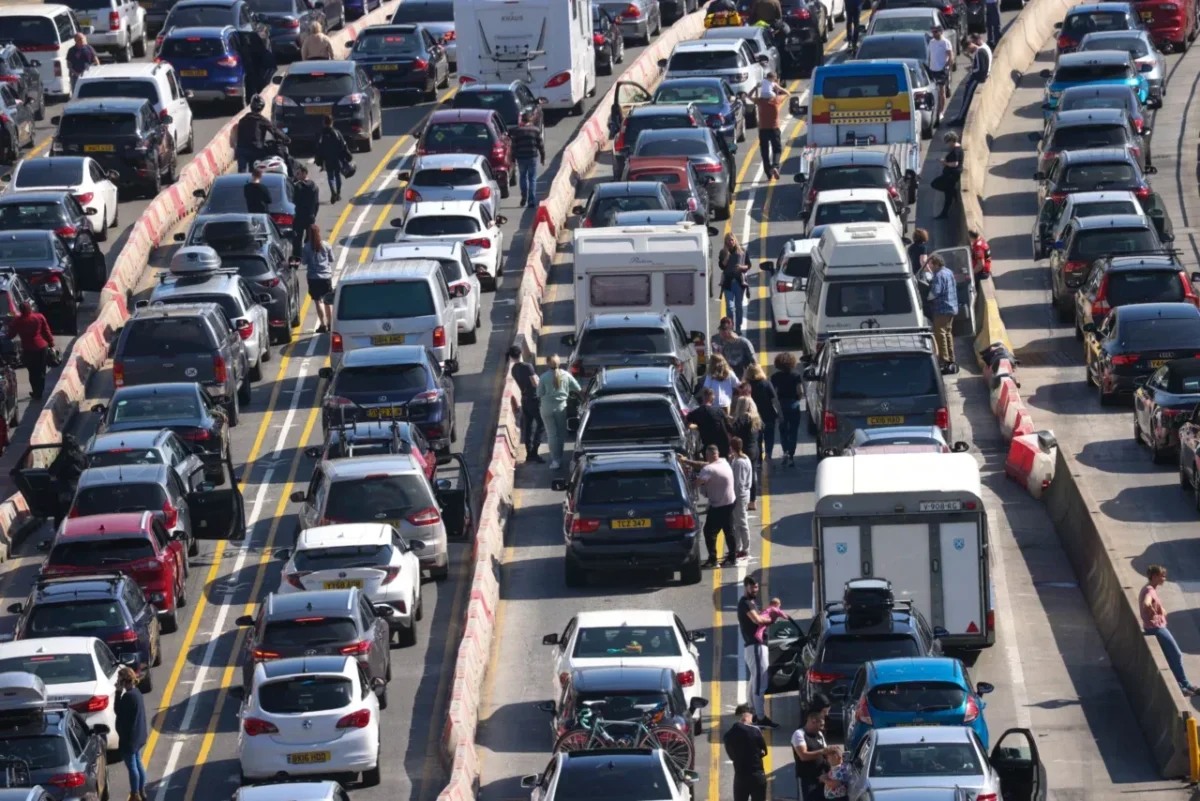
This disruption is expected to affect travel across approximately 1,700 European border points and has already led to significant delays and tourist spend losses.
Widespread Struggle With New System
Sarekanno revealed that while some countries have adapted well with proper resources, others continue to face major challenges. The initial biometric enrolment, where fingerprints and facial recognition data are captured, remains the biggest hurdle due to the scale of border crossings across air, land, and sea.
Massive Economic Hit Predicted
Research commissioned by Holiday Extras shows that nearly one in 30 Britons have changed holiday plans due to border queue worries, with almost 20% considering changes this year. Applied to official travel data, the Schengen Area could lose up to £1.9 billion in UK tourist spending in 2026.
Spain is expected to suffer the most with losses around £720 million, followed by France and Italy facing £370 million and £190 million respectively.
Passenger Chaos Already Reported
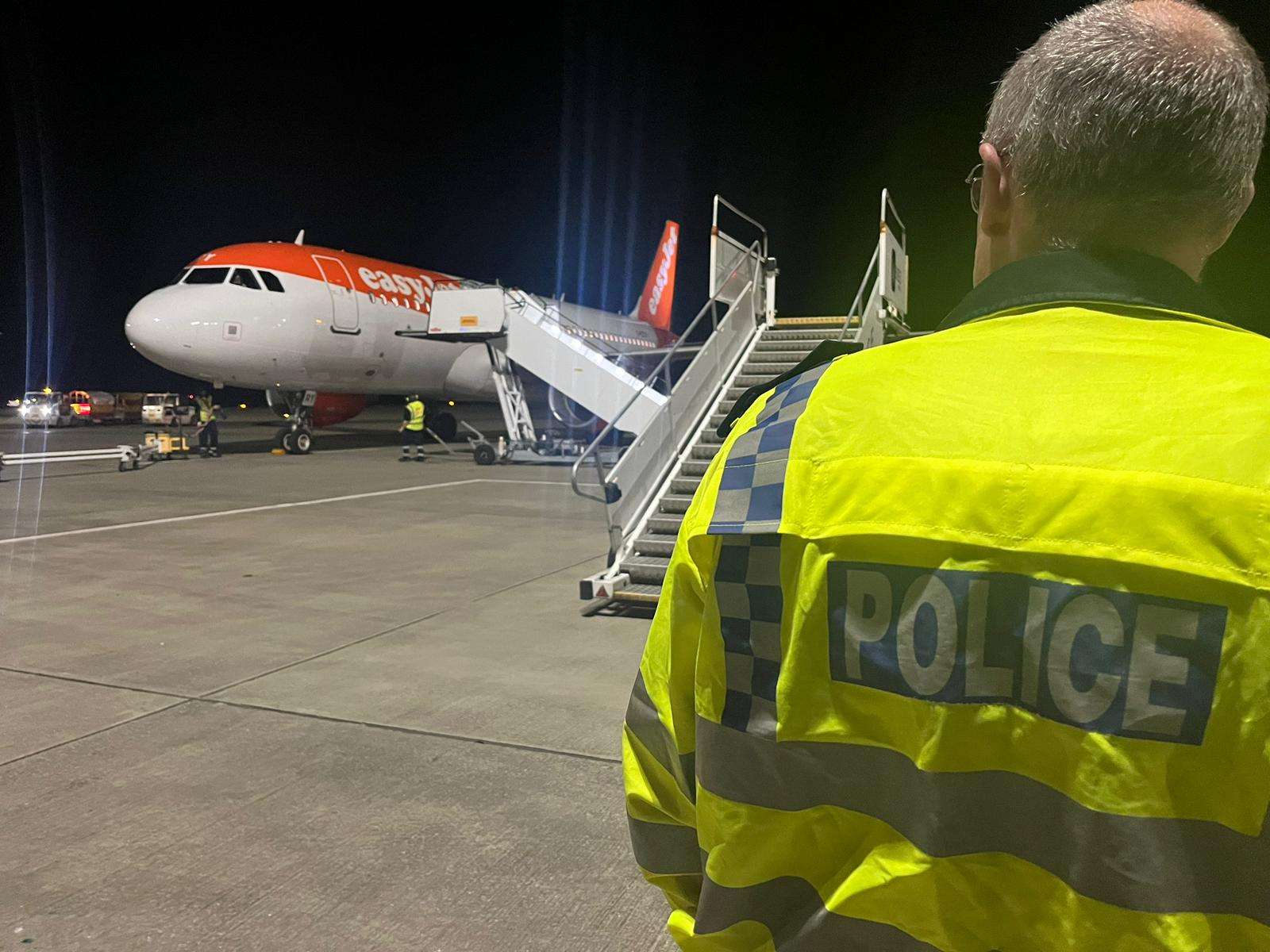
Early signs of disruption appeared in April when around 100 easyJet passengers endured three-hour queues at Milan Linate airport. The long waits led to some travellers vomiting and passing out as flights were delayed or missed.
Airlines, including WizzAir and Ryanair, have warned UK passengers to arrive much earlier than normal and cautioned that aircraft will not wait for late arrivals.
Advice for UK Travellers
With the border system adjustment expected to take up to two years, UK holidaymakers are urged to prepare for significant delays. Passengers should factor in extra time for biometric enrolment at Schengen entry points and remain patient as European countries adapt to this new, stricter border control regime.